我們的服務
寵物護理服務
獸醫服務
其他
Length range : 71-102 cm
Height range : 46-66cm
Weight range : 23-36kg
Coat : Short / smooth / dense / shiny double coat
Life expectancy years : 10-12
Colors: black|tan markings|white on chest / muzzle may occur.
Activitity Level : High
Origin: Hungary / Romania
Similar Breeds : Black and Tan Coonhound|Rottweiler|other scent hounds
This is an old Hungarian breed with roots traced to dogs brought by the invading Magyar tribes more than 1 , 000 years ago and later bred with local and Polish hounds. It was favored by Hungarian aristocracy and medieval nobility for hunting large game in the mountains and forests of Transylvania. Two height varieties once existed , but only the long-legged variety remains after the breed declined and was later revived by dedicated breeders in the 20th century.
quiet|even|determined|lively
good-natured|courageous|enduring|friendly|loyal|intelligent|alert|affectionate|tenacious
high daily exercise|mental stimulation|secure fencing|regular brushing|weight management|ear checks
strong family bonds|does best with human involvement|early socialization helps with visitors , dogs and cats|older respectful children suit the breed well
The short coat is low maintenance and benefits from regular brushing to control moderate shedding. Occasional baths are enough. Ears should be checked and cleaned routinely and teeth brushed several times a week or daily if possible.
Feed a high-quality diet for a medium to large active dog. Portion control and healthy body condition are important for joint health. Active dogs may do well on protein-rich food and many adults thrive on two meals daily with adjustments for workload.
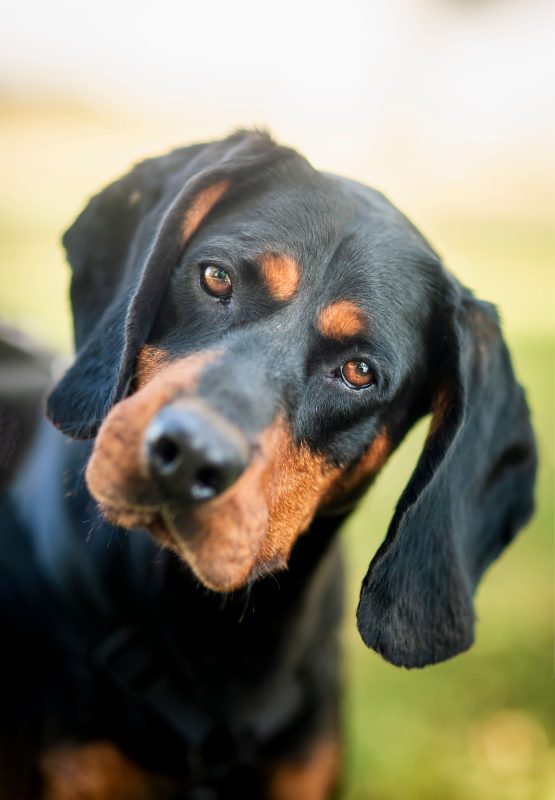
Transylvanian Hound (Erdélyi Kopó) is an ancient Hungarian scent hound built for endurance and rugged terrain. It is an athletic, muscular dog with a distinct black and tan coat, medium pendulous ears, and a deep, melodic bay.
Only the long-legged variety of the breed survives today. The breed was once prized by Hungarian nobility for hunting large game such as boar , deer , bear and wolves in rugged Transylvanian terrain.
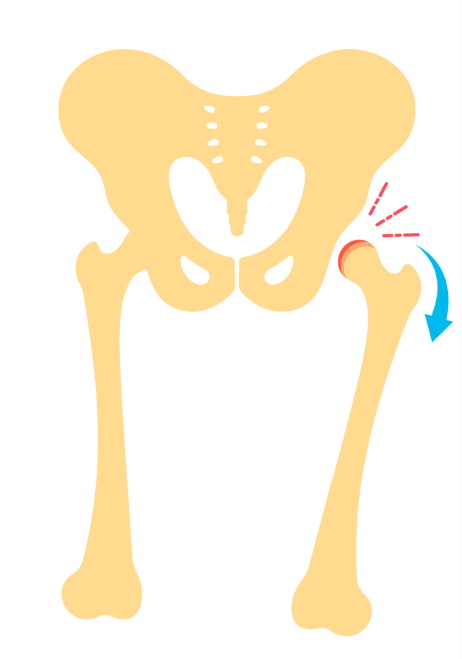
Canine Hip Dysplasia, Canine Elbow Dysplasia, Otitis Externa, Gastric Dilatation-Volvulus, Atopic Dermatitis
1. Bunny-hopping gait
2. Difficulty or stiffness when rising
3. Reluctance to run , jump or climb stairs
4. Hind-limb muscle loss
5. Hip pain , limping or swaying hips may occur.
1. Forelimb lameness
2. Stiff gait after rest
3. Elbows turned outward or front legs rotating inward
4. Decreased range of motion
5. Joint pain , swelling or crackling may occur.
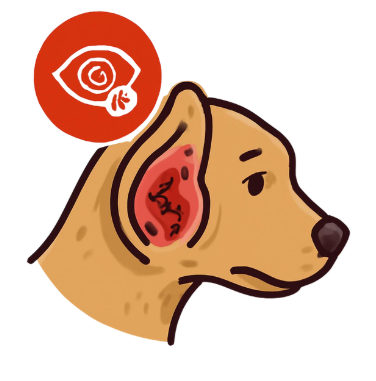
1. Head shaking
2. Ear scratching
3. Red inflamed painful ears
4. Bad odor and black , yellow or purulent discharge
5. Swelling , crusting or thickened ear canals may occur.
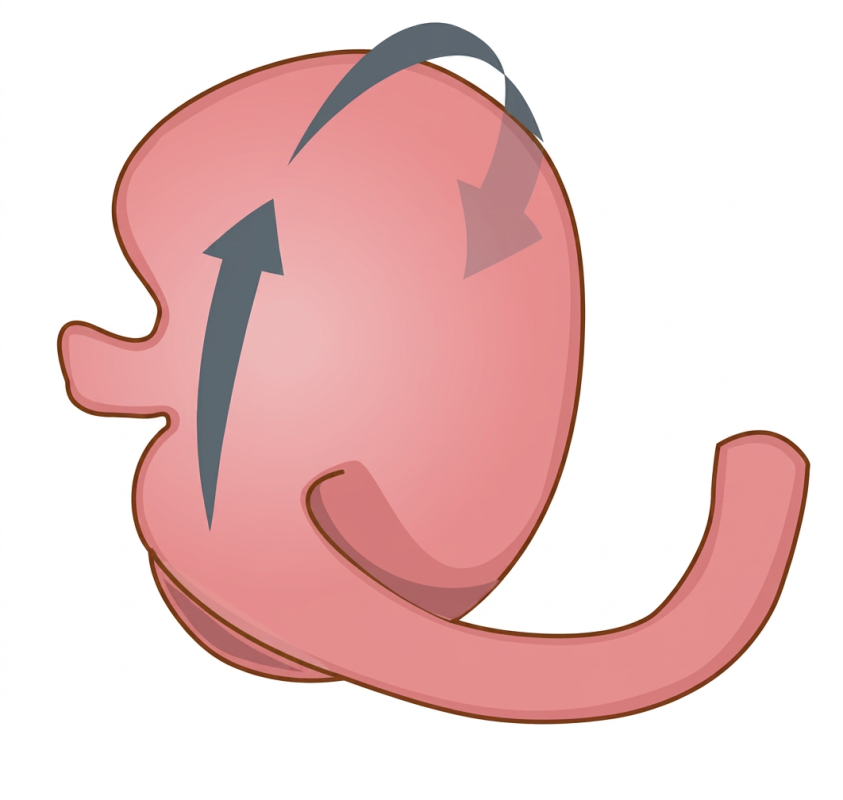
1. Restlessness or distress
2. Unproductive retching
3. Excessive salivation
4. Trouble breathing and abdominal distension
5. Collapse or inability to stand may occur.
1. Chronic itching
2. Redness of paws , face , ears , axillae or abdomen
3. Alopecia , scaling or excoriations
4. Recurrent skin or ear infections
5. Hyperpigmentation , thickened skin or face rubbing may occur.
Signs may appear as early as a few months of age during rapid growth or later in life as arthritis progresses and many cases appear between about 4 and 12 months for early presentation.
Moderate to high breed-specific risk may be present because the breed is described as susceptible to hip dysplasia and large active dogs are commonly affected by inherited hip laxity.
It can occur acutely at any time and is reported most commonly shortly after eating a large meal although it may happen at any age.
Moderate to high risk may be present because deep-chested dogs are predisposed and anatomy plus fearful or rapid-eating behaviors can increase risk.
It can occur at any age and may arise after outdoor trailing , humid conditions or episodes that trap debris or moisture in the ear canal.
Moderate to high risk may be present because drop ears can trap moisture and debris and recurrent inflammation may develop in working outdoor hounds.
It usually presents during growth in young dogs and many cases appear between about 4 and 10 months with AKC noting lameness can appear around 4 to 8 months.
Moderate risk may be present because the breed is described as susceptible to elbow dysplasia and developmental elbow disease is more common in medium to large rapidly growing dogs.
Age of onset is generally between 6 months and 3 years and many cases appear between about 1 and 4 years.
Moderate risk may be present because this is a genetically predisposed allergic skin disease and is a relevant concern.
1. Normal hip joint stability is lacking because inherited laxity allows the joint to form incorrectly. 2. Cartilage support is then lost over time and bony remodeling with osteoarthritis can follow. 3. Rapid growth and excess nutrition can worsen expression in predisposed dogs.

1. Normal ventilation and dryness of the ear canal are lacking because the drop-ear structure can trap moisture and debris. 2. This protected environment can favor bacterial or fungal overgrowth. 3. Chronic inflammation can narrow and thicken the canal.

1. Normal congruity between the radius , ulna and humerus is lacking because developmental growth abnormalities prevent perfect joint fit. 2. Abnormal loading damages cartilage and bone. 3. Secondary arthritis and chronic pain may follow.
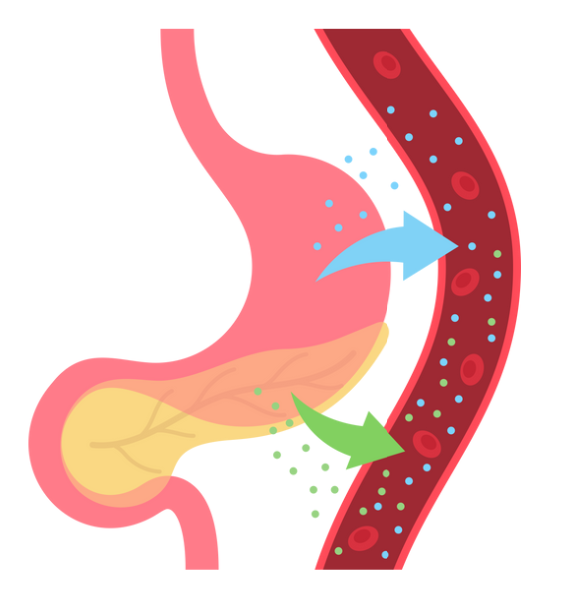
1. No single chemical deficiency is identified as the direct cause in the provided texts. 2. Normal gastric outflow and blood circulation are lacking when the gas-filled stomach twists and blocks the entrance and exit. 3. Tissue oxygen delivery then falls and shock can develop rapidly. 4. Stomach wall damage or rupture may follow if pressure continues.
1. Normal skin barrier function is lacking because genetically predisposed dogs have barrier abnormalities and microbial dysbiosis. 2. This allows allergens to penetrate and trigger exaggerated inflammatory responses. 3. No specific vitamin or mineral deficiency is identified as the direct cause in the provided texts. 4. Secondary bacterial , yeast and ear infections can worsen the disease.

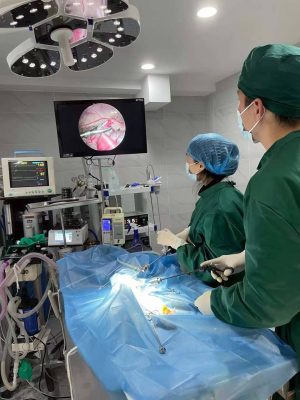
1. Many cases may be managed with healthy weight control / regular low-impact exercise / NSAIDs / physical therapy and cartilage-supportive care while severe cases may need FHO or total hip replacement.
1. Management may include weight reduction / exercise restriction on hard surfaces / physical therapy / joint supplements and anti-inflammatory medication while arthroscopic or other surgical correction may be recommended in younger dogs.
1. Treatment may require otoscopic examination / cytology and targeted topical therapy for bacteria or fungi while over-the-counter ear drops without diagnosis is not recommended
2. chronic severe narrowing may need surgery.
1. This is an emergency and treatment may include rapid decompression / IV fluids / shock stabilization and surgery with gastropexy because delay is not recommended.
1. Management may require allergen avoidance when possible / bathing / treatment of secondary infections / antipruritic medications and allergen-specific immunotherapy
2. long-term monitoring is commonly needed. Ask professional vets for detailed information.
+852 6358 3131
香港中環德輔道中84-86號章記大廈9樓01室
週一到週日,早上10點到下午9點
 +852 9160 8619
 +852 9160 8619