我們的服務
寵物護理服務
獸醫服務
其他
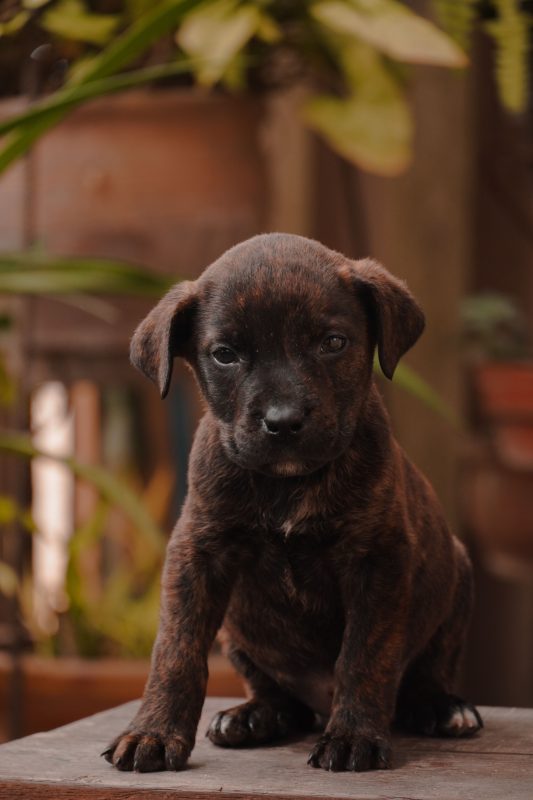
Length range : 58-81 cm
Height range : 41-61cm
Weight range : 13-27kg
Coat : Short|smooth|dense|soft coat
Life expectancy years : 10-12
Colors: brindle|brindle with white|black with brindle trim and, or white markings.
Activitity Level : High
Origin: USA
Similar Breeds : Mountain Cur|Plott Hound
The breed was developed in the United States in the 1960s by Reverend Earl Phillips to preserve brindle cur-type hunting dogs with strong treeing ability. The Treeing Tennessee Brindle Breeders Association was founded in 1967 and the breed was recognized by the United Kennel Club in 1995. It remains primarily associated with Appalachia and the Ozark Mountains and is listed by the AKC in the Foundation Stock Service path to recognition.
friendly|alert|independent|even-tempered|people-oriented
intelligent|brave|courageous|loyal|friendly|alert|active|people-oriented
serious daily exercise|mental stimulation|structured scent work|secure fencing|consistent training|outdoor activity
bonds closely with family|generally friendly with people|can do well with other dogs|may chase small pets|socialization is important with unfamiliar people and animals
The coat is low-maintenance and usually needs frequent or weekly brushing to remove loose hair. Bathe only when dirty. Check ears regularly , trim nails every few weeks , and maintain regular dental care. Paws should be checked after outdoor work.
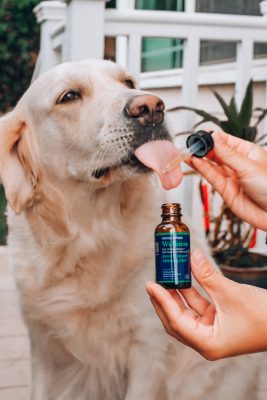
Feed a balanced high-quality diet matched to life stage and activity level with quality protein , moderate carbohydrates , and healthy fats. Scheduled feedings are preferred and treats should stay limited. Fresh water is essential and supplement use should be discussed with a veterinarian.
A description of the ideal dog of each recognized breed, to serve as an ideal against which dogs are judged at shows, originally laid down by a parent breed club and accepted officially by national or international bodies.
The word Treeing refers to the breed’s talent for chasing quarry up a tree and then baying until the hunter arrives.
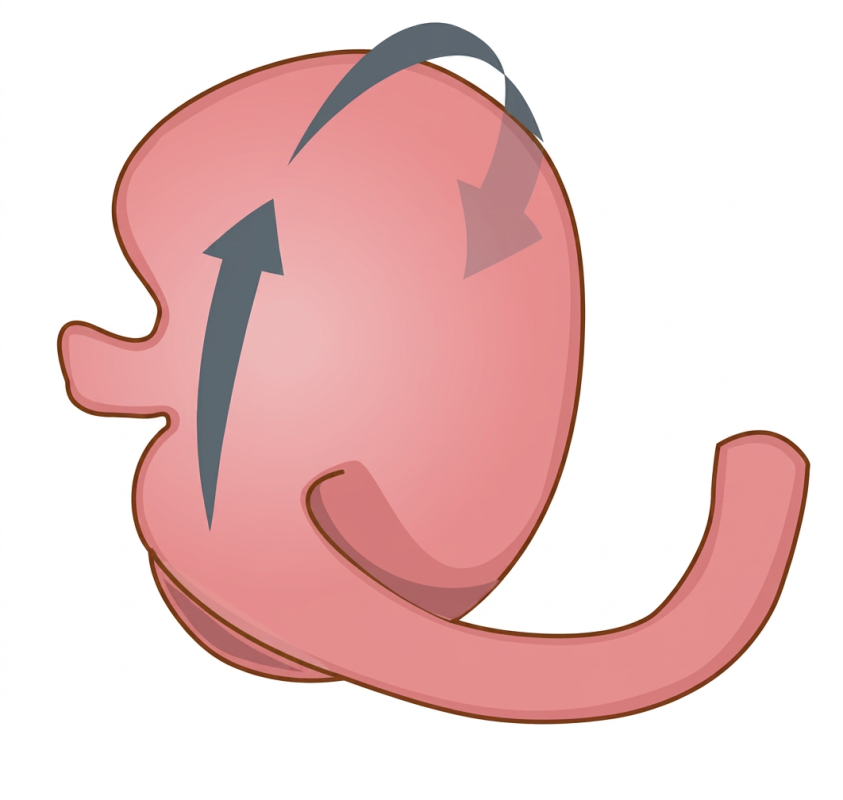
Canine Hip Dysplasia, Otitis Externa, Progressive Retinal Atrophy, Luxating Patella, Gastric Dilatation-Volvulus
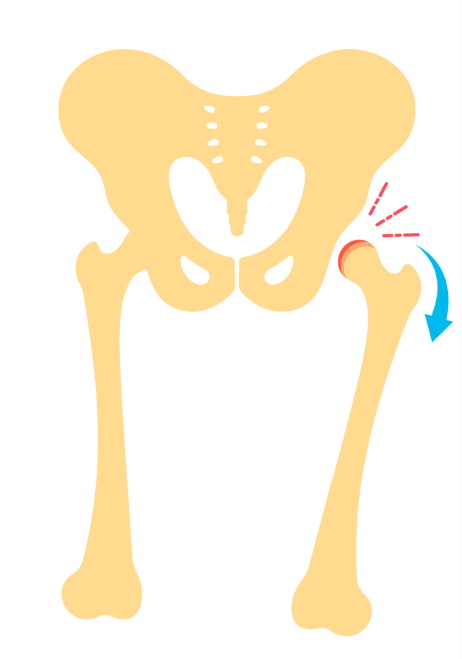
1. Bunny-hopping gait
2. Difficulty or stiffness when rising
3. Reluctance to run , jump or climb
4. Hind-limb muscle loss
5. Hip pain , limping or swaying hips may occur.
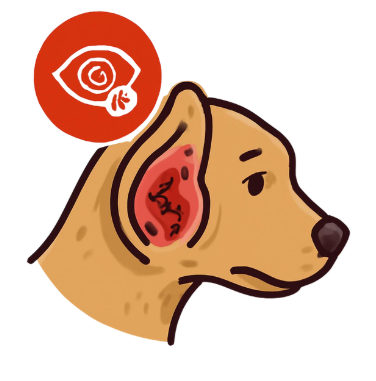
1. Head shaking
2. Ear scratching
3. Red inflamed painful ears
4. Bad odor with black , yellowish or purulent discharge
5. Swelling , narrowed canals or crusting may occur.
1. Night blindness
2. Hesitation in dim places
3. Dilated pupils
4. Reflective eye shine
5. Bumping into objects , stair hesitation or cataracts may occur.
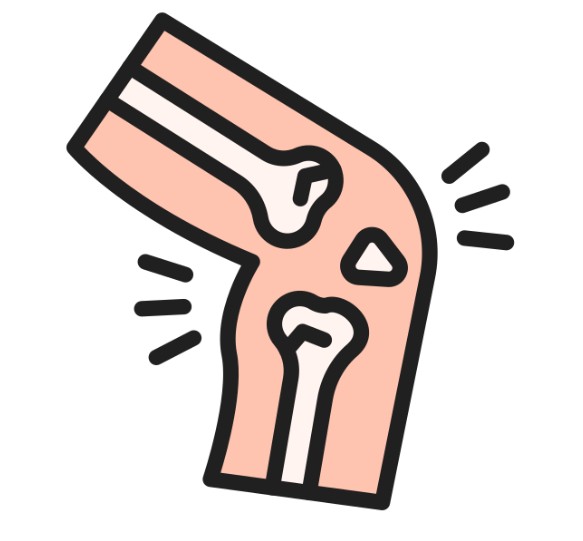
1. Sudden skipping gait
2. Hopping on three legs
3. Intermittent limp
4. Popping or cracking at the knee
5. Bowlegged stance , stiffness or brief reluctance to bear weight may occur.
1. Restlessness or distress
2. Excessive salivation
3. Unproductive retching
4. Bloated abdomen
5. Trouble breathing , pale gums or collapse may occur.
Signs may appear as early as a few months old during rapid growth and external health text places onset between 4 and 12 months or later as adult osteoarthritis.
Risk may be present from inherited joint laxity and external health text describes high breed-specific risk although core breed pages describe it as an isolated general risk rather than a common breed-specific defect.
It can occur acutely at any age and is more often reported in adult to senior dogs shortly after a large meal or around triggering circumstances.
Moderate to high risk may be present in deeper-chested athletic dogs when predisposition and meal or stress factors combine.
Vision changes usually begin during adulthood and external health text places many cases around 3 to 6 years depending on the genetic line.
Moderate risk may be present when inherited retinal variants occur and disease can develop even when not all variants are known.
It can become noticeable in puppyhood and external health text places many cases between 4 and 12 months although mild grades may be detected later.
Moderate risk may be present when hereditary kneecap instability occurs although this is not emphasized as a hallmark breed disorder in the general breed pages.
It can occur at any age and may appear after swimming , moist field work or recurrent irritation.
Risk may be elevated because drop ears can trap moisture and debris and ear infections are a known monitoring issue in active outdoor dogs.
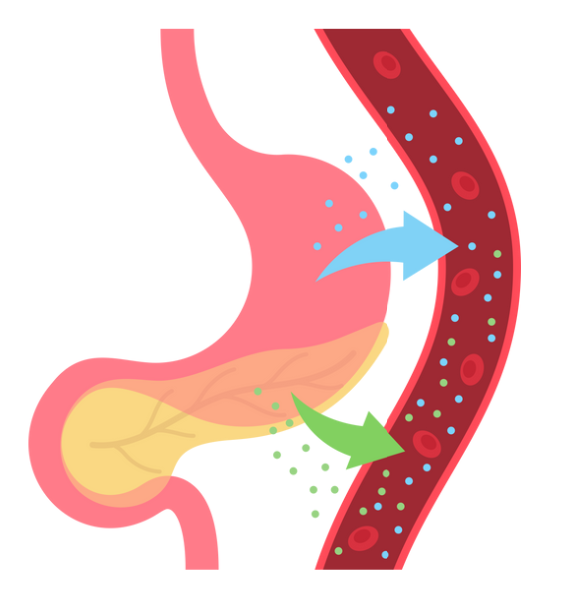
Normal hip joint stability is lacking because the coxofemoral joint forms incorrectly and becomes lax. Protective cartilage support is then reduced over time as osteoarthritis develops. No single vitamin or mineral deficiency is established as the direct cause in the provided texts. Rapid growth and environmental stress can worsen expression in predisposed dogs.

Functional retinal rods and cones are lacking over time because inherited degeneration causes these cells to break down. Rod function for night vision is typically lost first in true PRA. No dietary deficiency is identified as the direct cause in the provided texts. Progressive degeneration eventually leads to blindness.

Normal airflow and dryness in the ear canal are lacking when pendulous ears trap moisture and debris. This creates conditions that support bacterial or yeast overgrowth. No nutrient deficiency is identified as the direct cause in the provided texts. Barrier irritation and chronic inflammation can then persist or recur.
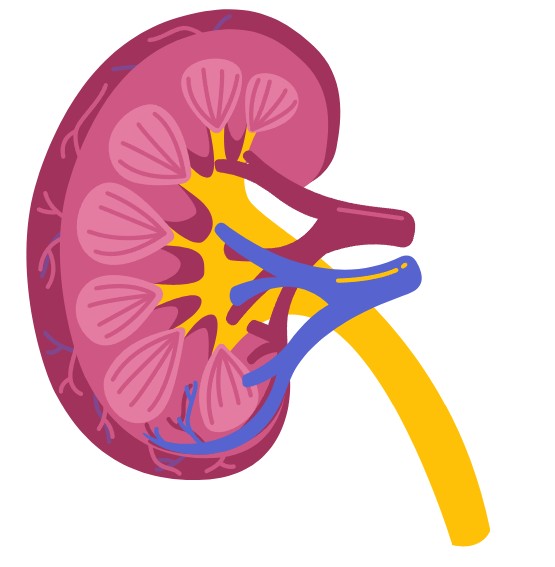
Stable alignment in the knee mechanism is lacking because the patella shifts away from its normal track. A shallow trochlear groove and abnormal alignment can leave the joint vulnerable to repeated dislocation. No nutrient deficiency is identified as the direct cause in the provided texts. Ongoing instability can contribute to arthritis over time.
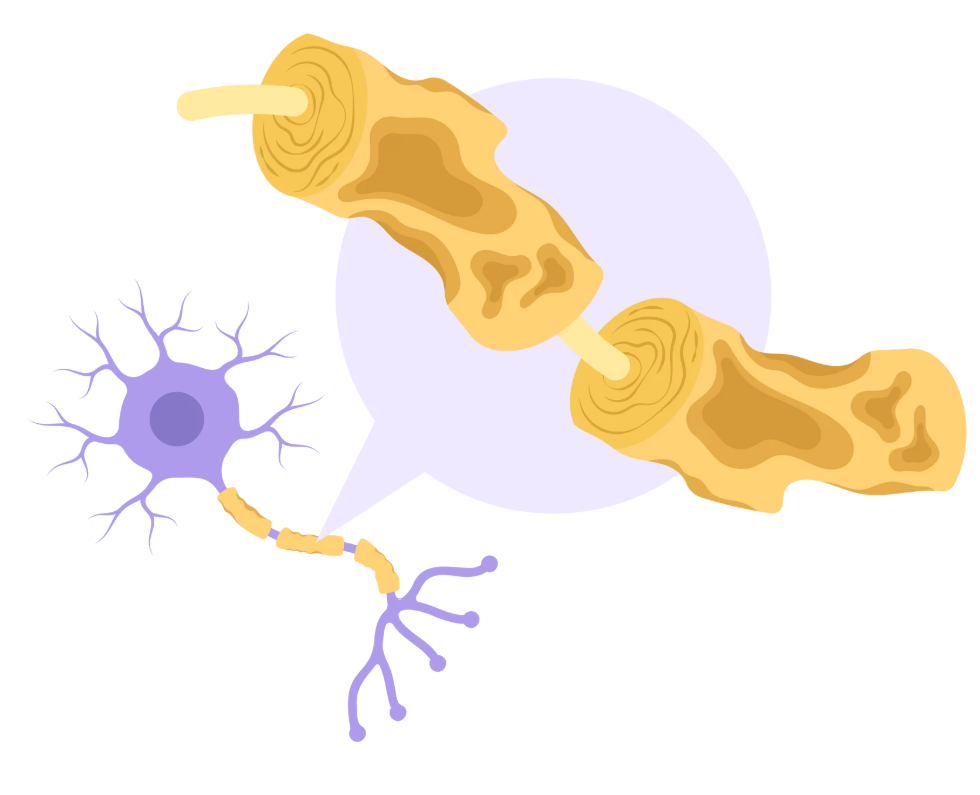
Normal gastric outflow and blood circulation are lacking once the distended stomach twists. Oxygen delivery to tissues can then fall and toxins can accumulate as shock worsens. No nutrient deficiency is identified as the direct cause in the provided texts. The life-threatening problem is mechanical and circulatory rather than a missing chemical.

1. Glucosamine hydrochloride can,might be helpful for supporting cartilage health.
2. Chondroitin sulfate can,might be helpful for maintaining joint cushioning.
3. Omega-3 fatty acids EPA,DHA can,might be helpful for reducing joint inflammation.
4. Green-lipped mussel extract can,might be helpful for joint support.
1. Omega-3 fatty acids EPA,DHA can,might be helpful for supporting skin and mucosal barrier health.
1. Antioxidant supplements with lutein can,might be helpful for retinal support.
2. Antioxidant supplements with zeaxanthin can,might be helpful for retinal cellular health.
3. Antioxidant supplements may include Vitamin A , Vitamin E or Coenzyme Q10 and can,might be helpful for ocular support.
1. Glucosamine hydrochloride can,might be helpful for cartilage support.
2. Chondroitin sulfate can,might be helpful for joint support.
3. MSM can,might be helpful for reducing joint discomfort.
4. Omega-3 fatty acids EPA,DHA can,might be helpful for joint inflammation support.
1. Probiotics can,might be helpful for gastrointestinal support.
2. Prebiotics can,might be helpful for digestive balance.
3. Digestive enzymes can,might be helpful for digestive efficiency.
+852 6358 3131
香港中環德輔道中84-86號章記大廈9樓01室
週一到週日,早上10點到下午9點
 +852 9160 8619
 +852 9160 8619