我們的服務
寵物護理服務
獸醫服務
其他
Length range : 71-97 cm
Height range : 51-69cm
Weight range : 20-32kg
Coat : Short|smooth|hard|close|glossy coat
Life expectancy years : 12-13
Colors: black|white|tan|black white and tan|tan and white.
Activitity Level : High
Origin: USA
Similar Breeds : American Foxhound|Walker Foxhound
The breed descends from English Foxhounds brought to America by Thomas Walker in 1742 and developed in the Appalachian Mountains from American Foxhound stock for hunters who needed a dog that could track game and tree it. It split from the Walker Foxhound because it was bred specifically to chase prey that climbs trees. Recognition notes in supplied breed text include UKC recognition in 1945 and AKC recognition in 2012.
even-tempered|confident|alert|good-natured|intense on the hunt|calm at home
smart|brave|sensible|friendly|affectionate|people-oriented|trainable
vigorous daily exercise|secure fencing or leash control|mental stimulation|consistent training|regular ear checks
forms strong family bonds|good with children|usually good with other dogs when socialized|needs careful introduction to cats and small pets
The short smooth coat is low-maintenance and usually needs weekly brushing with bathing monthly or only when dirty. Long floppy ears require frequent inspection and regular cleaning to reduce infection risk. Routine nail care is also helpful for active dogs.
Feed a well-balanced AAFCO-compliant diet matched to life stage. Most adults do well on two to three measured meals daily while puppies may need three to four meals. Very active working dogs may need a higher-calorie sport diet and joint or omega-3 support may be considered with veterinary guidance.
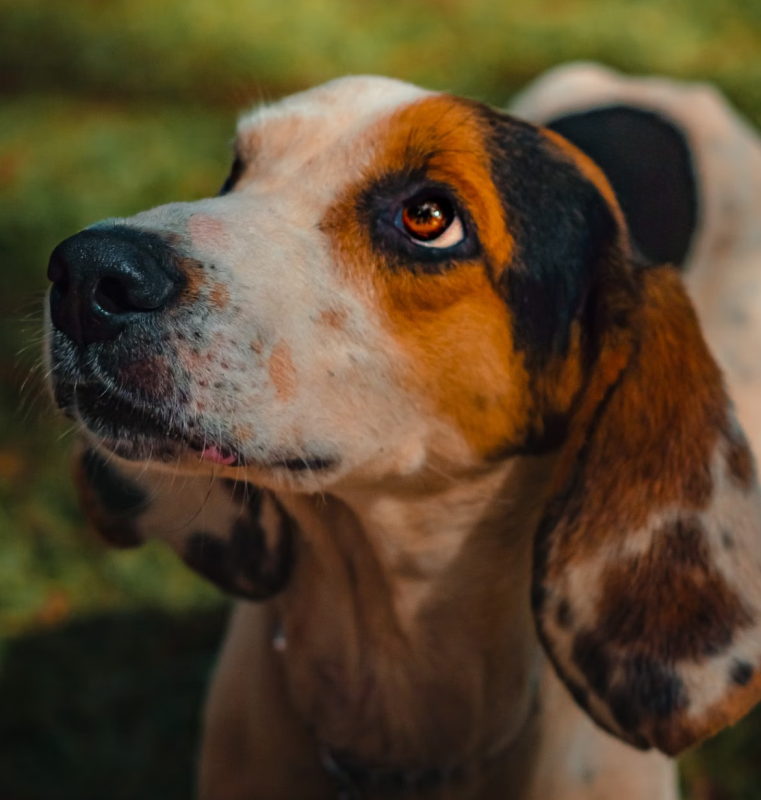
Lean muscular hound with streamlined frame , long muscular legs , quick hindquarters , low-set floppy ears , dark round eyes and a smooth effortless gait. The coat is short , hard and close with black , white and tan markings often in bi-color or tricolor patterns.
The breed is nicknamed The People’s Choice and despite the name Walker , these hounds are runners capable of covering a lot of ground quickly.
Canine Hip Dysplasia, Gastric Dilatation-Volvulus, Otitis Externa, Progressive Retinal Atrophy, Polyradiculoneuritis
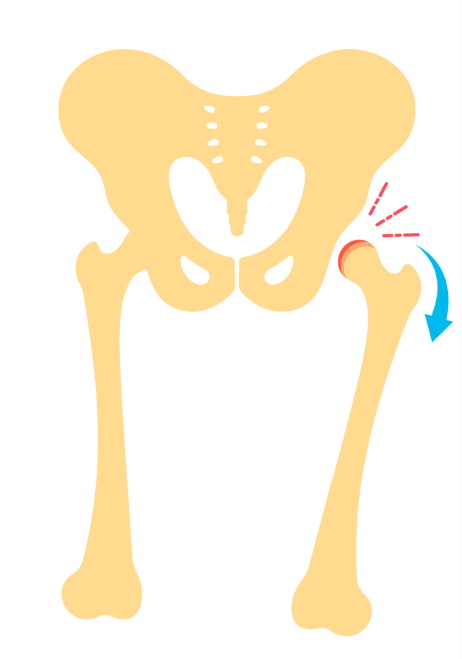
1. Bunny-hopping gait
2. Difficulty or stiffness when rising
3. Reluctance to run , jump or climb
4. Hind-limb muscle loss
5. Hip pain , limping or altered gait may occur.
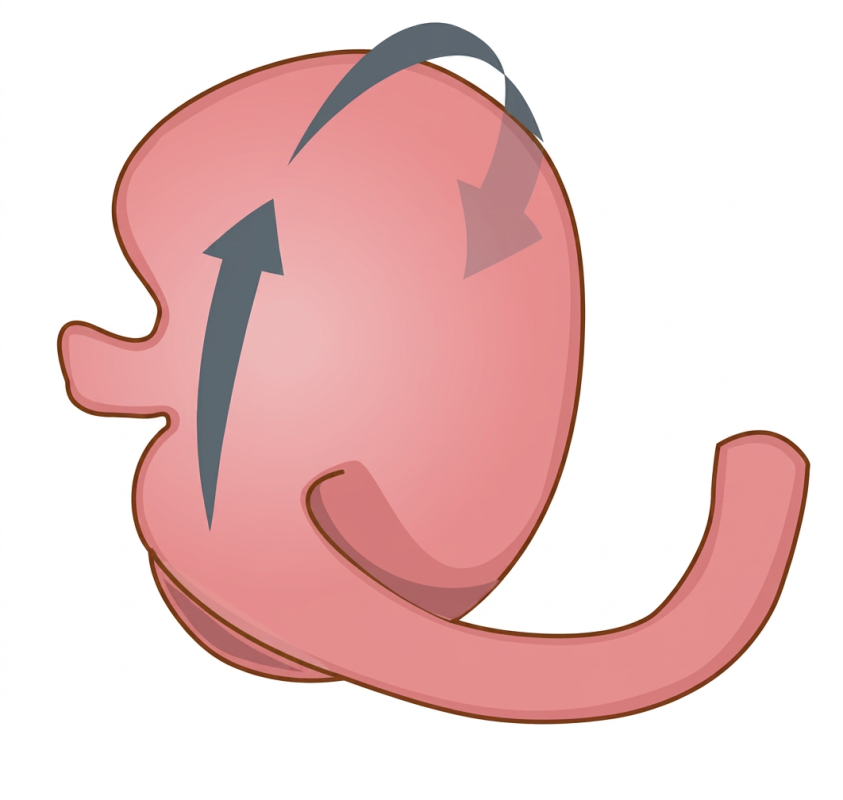
1. Unproductive retching
2. Restlessness
3. Excessive salivation
4. Distended tight abdomen
5. Pale gums , breathing trouble or collapse may occur.
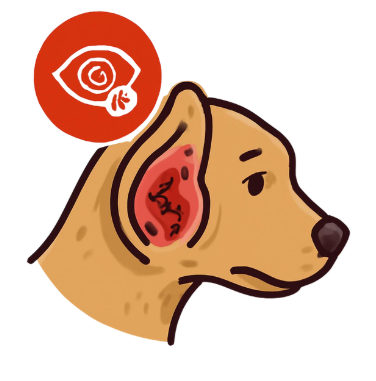
1. Head shaking
2. Ear scratching
3. Red inflamed painful ears
4. Bad odor with dark , black , yellowish or purulent discharge
5. Swelling , crusting or narrowed canals may occur.
1. Night blindness
2. Hesitation in dim areas
3. Dilated pupils
4. Reflective eye shine
5. Clumsiness , bumping into objects or cataracts may occur.
1. Hind-leg weakness
2. Rapid progression to all four limbs
3. Decreased reflexes and muscle tone
4. Altered or lost bark
5. Labored breathing , muscle loss or inability to stand may occur.
Signs may appear during puppy growth and external health text places onset between 4 and 12 months or later as adult osteoarthritis.
Risk may be meaningful because this inherited orthopedic condition affects medium and large breeds and supplied external text describes high breed-specific risk although the breed page frames it as a condition to watch rather than a dominant breed defect.
It can occur acutely at any age and is more often seen in adult to senior deep-chested hounds.
High risk may be present because this is a deep-chested athletic hound and supplied texts repeatedly flag bloat as an emergency concern.
It can occur at any age and may appear after swimming , wet vegetation exposure or field work.
High risk may be present because long floppy ears trap moisture and debris and ear infections are repeatedly highlighted in breed guidance.
Vision changes usually begin during adulthood and external health text places many cases around 3 to 6 years depending on the genetic line.
Moderate risk may be present because inherited retinal disease can occur in many breeds and breed guidance recommends eye screening.
Signs typically begin 7 to 14 days after raccoon saliva exposure , vaccination or certain infections and symptoms often progress over 4 to 10 days.
Moderate breed-linked risk may be present in hunting coonhounds because exposure to raccoon saliva and related immune triggers can precede paralysis.
Normal hip joint stability is lacking because the coxofemoral joint forms incorrectly and becomes lax. Protective cartilage support is then reduced over time as osteoarthritis develops. No single vitamin or mineral deficiency is established as the direct cause in the provided texts. Rapid growth and environmental stress can worsen expression in predisposed dogs.

Normal airflow and dryness in the ear canal are lacking when pendulous ears trap moisture and debris. This creates conditions that support bacterial or yeast overgrowth. No nutrient deficiency is identified as the direct cause in the provided texts. Chronic inflammation can then persist or recur if the underlying cause is not addressed.

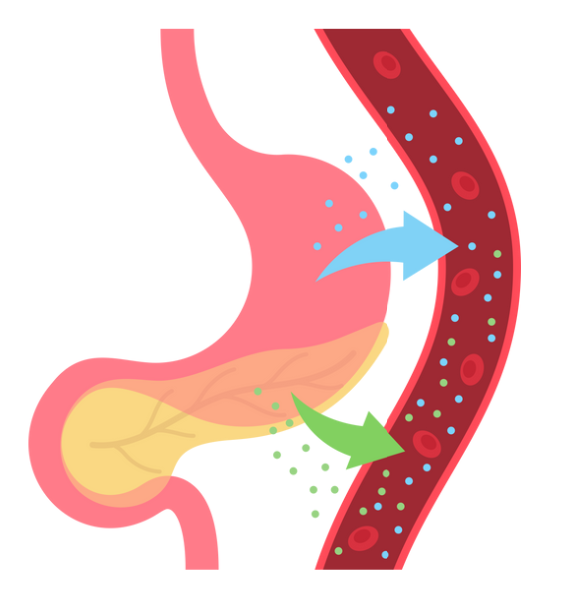
Normal gastric outflow and blood circulation are lacking once the stomach fills and twists. Oxygen delivery to tissues can then become inadequate and shock can develop rapidly. No nutrient deficiency is identified as the direct cause in the provided texts. The major vulnerability is mechanical and linked to deep-chested conformation.
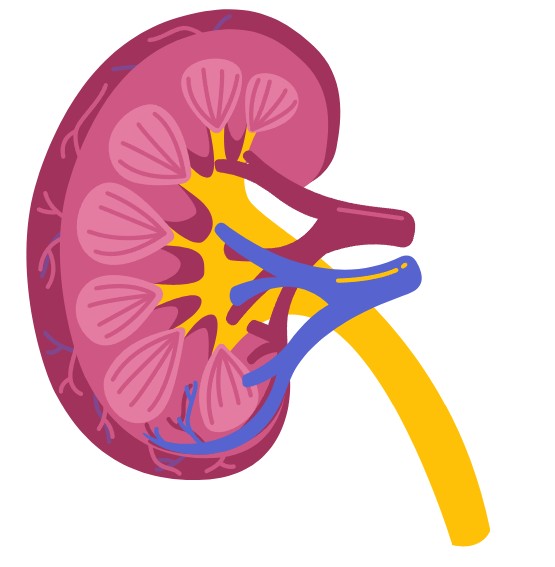
Functional retinal rods and cones are lacking over time because inherited degeneration causes these cells to break down. Rod function for night vision is typically lost first in true PRA. No dietary deficiency is identified as the direct cause in the provided texts. Progressive degeneration eventually leads to blindness.
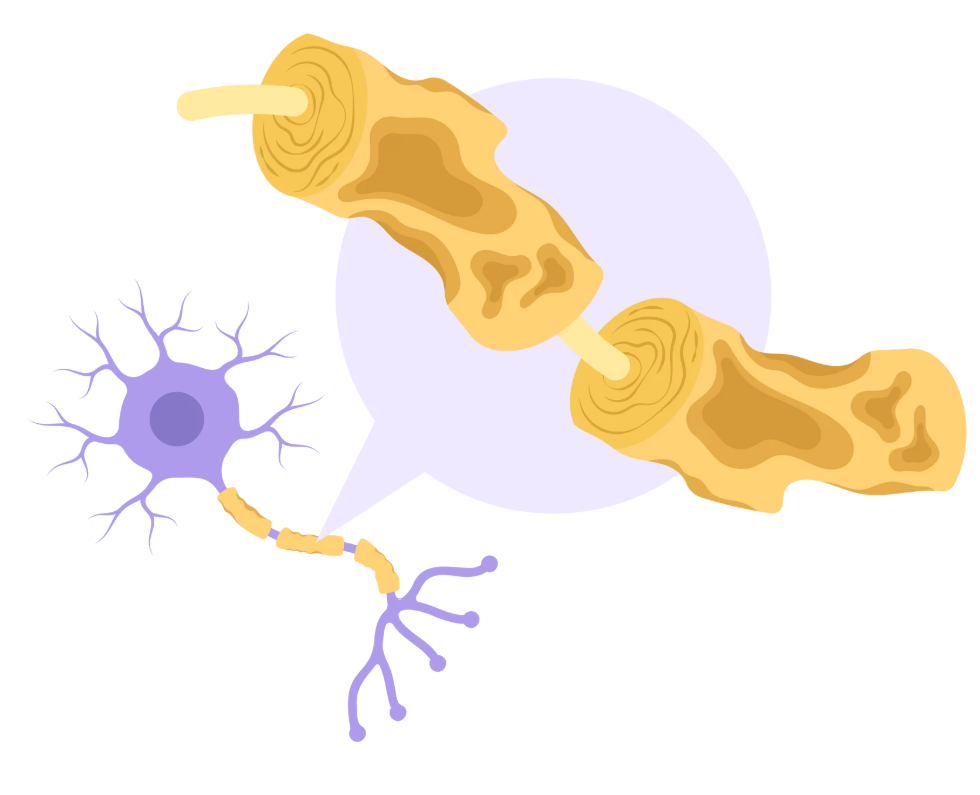
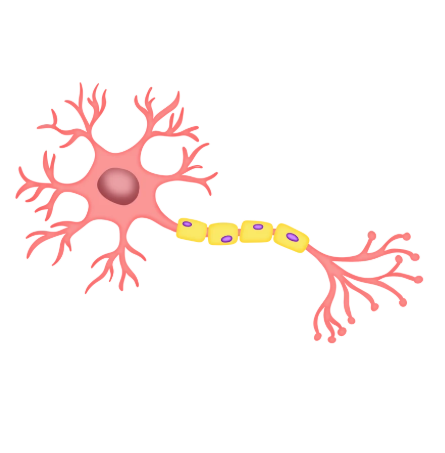
Normal nerve conduction support is lacking because inflamed nerve roots and peripheral nerves undergo immune-mediated injury. This can leave muscles without proper neurologic signaling and may lead to paralysis and respiratory compromise. No nutrient deficiency is identified as the direct cause in the provided texts. The trigger may follow raccoon saliva exposure or other immune-stimulating events.

1. Glucosamine hydrochloride can,might be helpful for supporting cartilage health.
2. Chondroitin sulfate can,might be helpful for maintaining joint cushioning.
3. Omega-3 fatty acids EPA, DHA can,might be helpful for reducing joint inflammation.
4. Green-lipped mussel extract can,might be helpful for joint support.
1. Probiotics can,might be helpful for gastrointestinal support.
2. Prebiotics can,might be helpful for digestive balance.
3. Digestive enzymes can,might be helpful for digestive efficiency.
1. Omega-3 fatty acids EPA, DHA can,might be helpful for supporting skin and mucosal barrier health.
1. Antioxidant supplements with lutein can,might be helpful for retinal support.
2. Antioxidant supplements with zeaxanthin can,might be helpful for retinal cellular health.
3. Antioxidant supplements may include Vitamin A , Vitamin E or Coenzyme Q10 and can,might be helpful for ocular support.
1. Omega-3 fatty acids can,might be helpful for nerve support.
2. B-complex vitamins including B12 and B6 can,might be helpful for nerve tissue support.
3. Vitamin E can,might be helpful for nerve tissue support.
+852 6358 3131
香港中環德輔道中84-86號章記大廈9樓01室
週一到週日,早上10點到下午9點
 +852 9160 8619
 +852 9160 8619