我們的服務
寵物護理服務
獸醫服務
其他
Length range : 74-86 cm
Height range : 53-64cm
Weight range : 18-29kg
Coat : short sleek coat|smooth close coat|single coat with light grooming needs
Life expectancy years : 12-15
Colors: red-golden|rust|golden rust.
Activitity Level : High
Origin: Hungary
Similar Breeds : Wirehaired Vizsla|Weimaraner|German Shorthaired Pointer
The breed is an old Hungarian hunting dog associated with Magyar sportsmen and likely descended from historic Hungarian hunting companions. Over centuries it developed from falconry and hunting use into a prized athletic gun dog and devoted family companion and later gained popularity in the United States.
lively|friendly|even-tempered|sensitive|gentle|social|devoted
cheerful|energetic|loyal|friendly|sensitive|confident|affectionate|eager to please
at least 1 to 2 hours of daily exercise|mental stimulation|close companionship|early training|regular ear care|secure running space
forms very strong bonds with family|good with people , older children , many dogs and sometimes cats if well socialized|often struggles when left alone for long periods
Weekly brushing is usually enough for the short coat and baths are only occasional unless the dog gets especially dirty. Clean ears regularly especially after swimming or baths and brush teeth regularly to help reduce periodontal disease.
Feed a complete balanced food appropriate for life stage and activity level and divide daily food into routine meals , often twice daily. Maintain a lean body condition and leave a gap between meals and vigorous exercise because the breed is deep-chested and bloat precautions are advised.
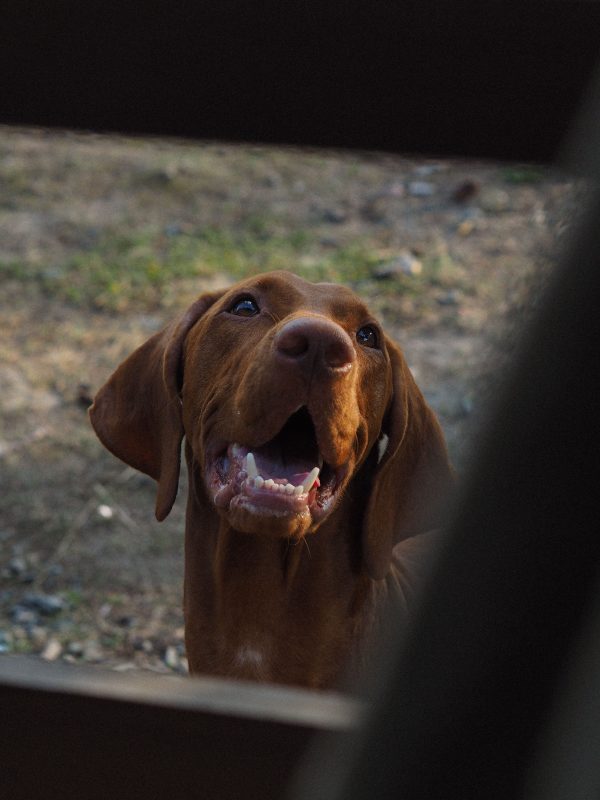
sleek rust-colored quick-footed gundog|lean lightly built outline|strength and beauty in balance|outstanding nose and retrieving ability|versatile work on land and in water
Vizslas are often nicknamed Velcro dogs because they like to stay very close to their owners. They were originally used as retrieving dogs in falconry and some reports note that they can reach impressive running speeds.
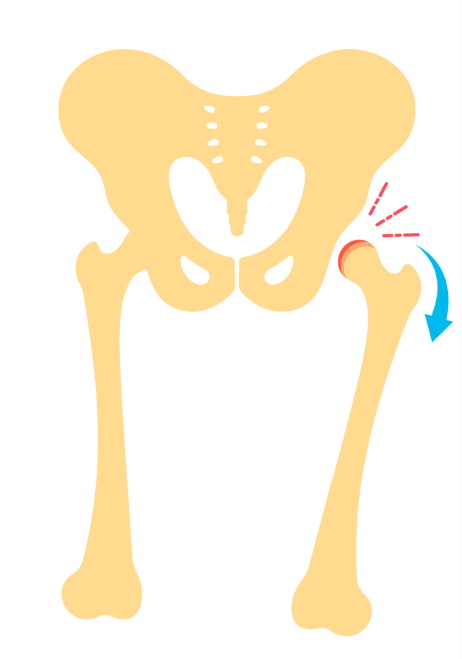
Canine Hip Dysplasia, Sebaceous Adenitis, Idiopathic Epilepsy, Progressive Retinal Atrophy, Hypothyroidism
1. Bunny-hopping gait
2. Difficulty or stiffness when rising
3. Reluctance to climb stairs , run or jump
4. Hind-limb muscle loss
5. Hip pain or limping may occur.
1. Patchy hair loss
2. Mild or silvery skin scales
3. Brittle or dull coat texture
4. Lesions on head , ear flaps or torso
5. Itching , crusts or scarring may occur.
1. Violent muscle twitches or body stiffening
2. Limb paddling
3. Loss of consciousness
4. Excessive drooling
5. Urination , defecation or post-seizure confusion may occur.
1. Night blindness
2. Hesitation in dimly lit places
3. Dilated pupils
4. Increased eye shine or reflective eyes
5. Eventual daytime vision loss may occur.
1. Weight gain
2. Lethargy
3. Mental dullness
4. Symmetrical non-itchy hair loss
5. Dry coat , cold intolerance or recurrent skin and ear infections may occur.
Signs can appear during rapid growth from about 4 and 12 months or later in life as osteoarthritis develops.
High breed-specific risk is described in the supplied breed-matched text and hip screening is specifically recommended for breeding dogs.
It most often presents in young adult to middle-aged dogs and is commonly recognized between 1 and 5 years of age.
Moderate to high breed-specific risk is described and Vizslas are explicitly listed among predisposed breeds.
The first seizures most commonly emerge between 1 and 5 years of age.
Moderate to high breed-specific risk is described in the supplied breed-matched text and purebred dogs are generally at greater prevalence than mixed breeds.
It usually develops in young adulthood to middle age and is often recognized between 3 and 6 years of age depending on the mutation line.
Moderate risk is described in the supplied breed-matched text and congenital eye conditions are specifically noted for the breed.
It most commonly emerges in middle-aged dogs and is often recognized between 3 and 8 years of age.
Moderate risk is described in the supplied breed-matched text and thyroid hormone deficiency is a recognized breed concern.
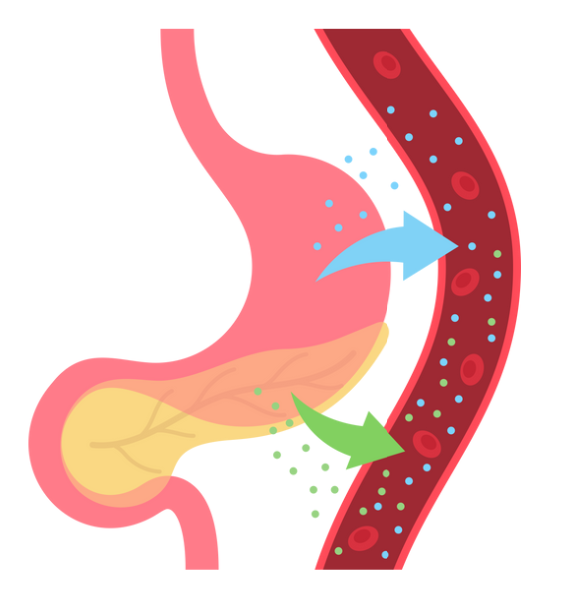
Normal hip joint stability is lacking because the coxofemoral joint forms incorrectly and becomes lax. Cartilage protection may then be lost over time and osteoarthritis can develop. No single chemical deficiency is identified as the direct cause in the supplied texts. Rapid growth , excess calories and improper calcium balance can worsen vulnerability in predisposed dogs.

Normal electrical regulation in the brain is lacking because neurons fire excessively or synchronously during seizures. The supplied text supports a strong genetic basis even though specific variants remain elusive in most breeds. No nutrient deficiency is established as the direct cause. This neurologic instability can lead to recurrent unprovoked seizures and more severe cluster or status events.

Protective sebum is lacking because sebaceous glands are attacked and destroyed by an immune-mediated process. This leaves the hair follicles and stratum corneum without normal moisturizing lipids. The coat can become brittle and scaling can increase. Secondary infection or scarring may become more likely when the barrier is compromised.
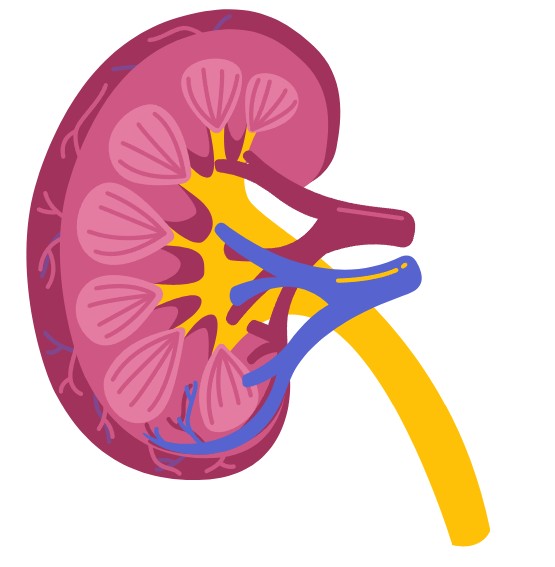
Functional retinal photoreceptor cells are progressively lacking because rods and cones degenerate over time. Rod support for night vision is lost first in true PRA and cone loss follows as the disease advances. No nutrient deficiency is identified as the direct cause because inherited retinal degeneration is the core problem. Progressive cellular loss can culminate in complete blindness.
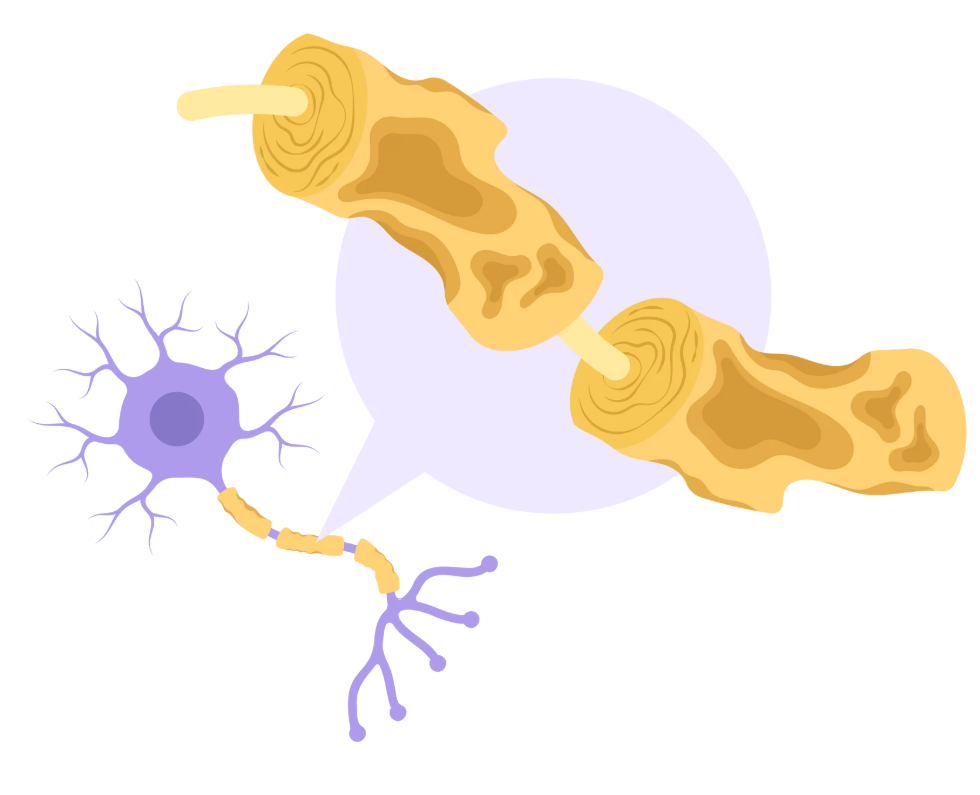
Thyroid hormones are lacking because the thyroid gland is progressively destroyed in primary hypothyroidism , often through lymphocytic thyroiditis. Functional thyroid tissue may also be lost through idiopathic atrophy. The lack of thyroid hormone slows metabolism throughout the body. This can contribute to lethargy , weight gain and coat change.

1. Glucosamine hydrochloride can,might be helpful for cartilage support.
2. Chondroitin sulfate can,might be helpful for joint support.
3. Omega-3 fatty acids EPA and DHA can,might be helpful for inflammation support.
4. Green-lipped mussel extract can,might be helpful for joint comfort support.
1. Omega-3 fatty acids can,might be helpful for skin barrier support.
2. Omega-6 fatty acids can,might be helpful for epidermal lipid support.
3. Vitamin A can,might be helpful for skin support.
4. Vitamin E can,might be helpful for skin support.
5. Evening primrose oil can,might be helpful for coat and barrier support.
1. MCT oil can,might be helpful for brain energy support as an adjunct under veterinary supervision.
2. Omega-3 fatty acids EPA and DHA can,might be helpful for neuroinflammation support.
3. Antioxidant compounds can,might be helpful for cellular support.
1. Lutein can,might be helpful for retinal support.
2. Zeaxanthin can,might be helpful for ocular antioxidant support.
3. Vitamin A can,might be helpful for retinal cellular support.
4. Vitamin E can,might be helpful for ocular antioxidant support.
5. Coenzyme Q10 can,might be helpful for retinal cellular support.
1. Omega-3 fatty acids can,might be helpful for dermal support alongside medical therapy.
2. Omega-6 fatty acids can,might be helpful for coat quality support alongside medical therapy.
3. Zinc can,might be helpful for skin support alongside medical therapy.
4. B-complex vitamins can,might be helpful for coat support alongside medical therapy.
+852 6358 3131
香港中環德輔道中84-86號章記大廈9樓01室
週一到週日,早上10點到下午9點
 +852 9160 8619
 +852 9160 8619