我們的服務
寵物護理服務
獸醫服務
其他
Length range : 33-43 cm
Height range : 23-30cm
Weight range : 4-6kg
Coat : long straight dense double coat with dense undercoat and protective outer coat
Life expectancy years : 14-16
Colors: white|deep red|red|champagne|fawn|black.
Activitity Level : Medium
Origin: Italy
Similar Breeds : Pomeranian|American Eskimo Dog|German Spitz
The breed is very old and has existed since at least the 15th century with roots linked to ancient Spitz-type dogs in Italy and possibly earlier Mediterranean dogs. It was favored by nobles and farmers alike , declined sharply by the mid-20th century , and was revived in Italy in the 1980s after nearing extinction.
cheerful|extremely alert|affectionate|watchful|confident|sometimes stubborn
lively|alert|playful|loving|intelligent|watchful|family-oriented|reserved with strangers
daily exercise|mental stimulation|early socialization|regular grooming|close family contact|bark management
bonds closely with family|can do well with older children and other pets if socialized|often reserved or wary with strangers and strange dogs
Brush the dense double coat at least weekly and more often during shedding seasons to prevent mats and remove loose hair. Clean ears and eyes regularly , trim nails , and brush teeth often with dog-safe toothpaste.
Feed a balanced high-quality diet with attention to portion control because this small breed may gain weight if overfed. Maintain a healthy body condition and provide all essential nutrients appropriate for size , age and activity.
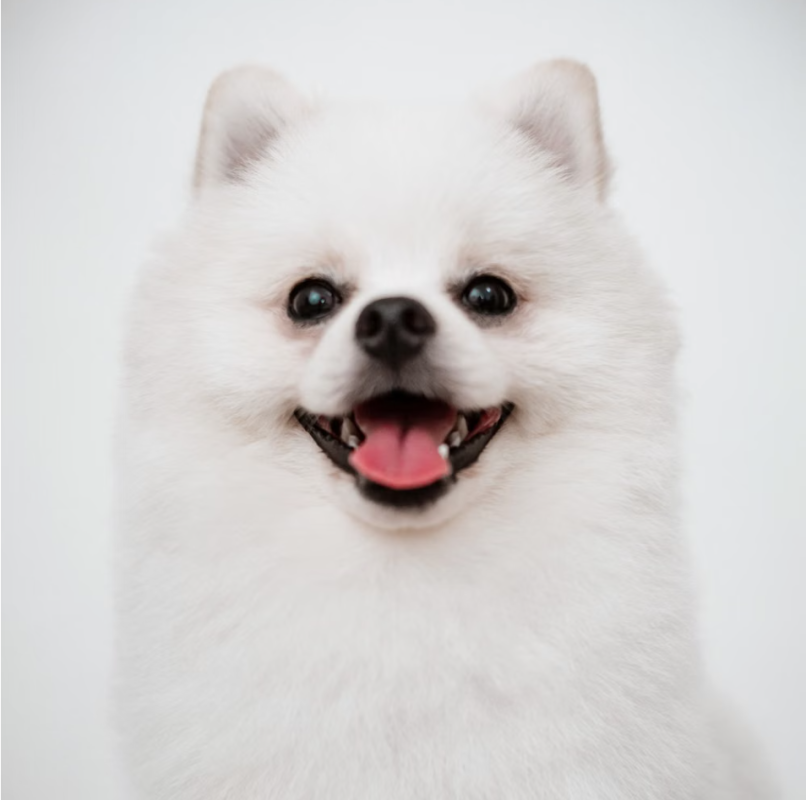
small square Spitz with wedge-shaped head|pointed ears|prominent black nose|round dark brown eyes|tail carried over the back|solid-colored thick coat
The name Volpino means little fox in Italian. The breed nearly disappeared by 1965 with only a few dogs remaining and later recovered through revival efforts in Italy.
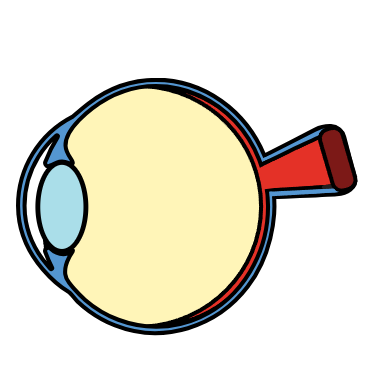
Primary Lens Luxation, Luxating Patella, Cataracts, Mitral Valve Disease, Progressive Retinal Atrophy
1. Red , teary or cloudy eye
2. Squinting and pain
3. Sudden pupil shape change may occur
4. Pawing at the eye or blinking may increase
5. Vision loss or blindness may develop.
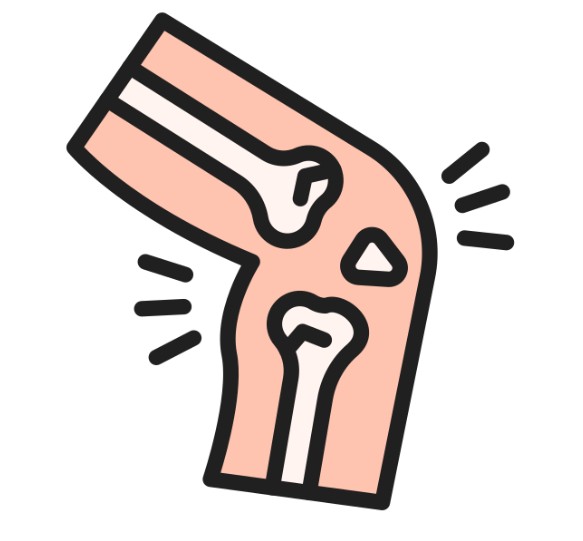
1. Sudden skipping gait
2. Brief hopping on three legs
3. Limp that comes and goes
4. Knee popping sounds or stiffness may occur
5. Reluctance to jump or climb may develop.
1. Cloudy or bluish-white lens appearance
2. White spot , streak or icy look may appear
3. Vision loss may worsen
4. Bumping into objects may occur
5. Hesitation in dim light may develop.
1. Heart murmur may be the first sign
2. Exercise intolerance
3. Cough
4. Rapid or labored breathing
5. Weakness , decreased appetite or collapse may occur.
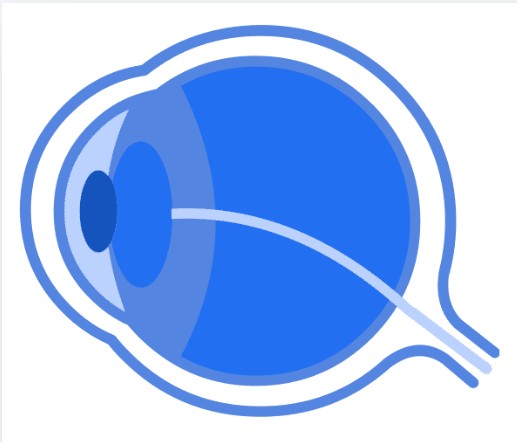
1. Night blindness
2. Dilated pupils
3. Reflective eye shine
4. Hesitation in dark spaces or on stairs
5. Eventual daytime vision loss may occur.
It most commonly develops between 3 and 8 years of age and structural eye changes may be visible by about 20 months.
High breed-specific risk is described and inherited ADAMTS17-associated predisposition is specifically noted.
Signs often become noticeable between 4 and 12 months of age although mild cases may not be recognized until adulthood.
High breed-specific risk is described and small dogs are commonly predisposed.
Juvenile inherited forms may appear between 1 and 4 years of age while age-related cataracts may appear later in mature or senior dogs.
Moderate to high risk is described and dogs can develop cataracts at any age depending on cause.
It typically manifests in middle-aged to senior dogs and is often recognized between 6 and 10 years of age.
Moderate risk is described and the condition is common in older small companion breeds.
It usually presents in young adulthood to middle age and is often recognized between 3 and 6 years of age depending on the mutation line.
Moderate risk is described and inherited retinal degeneration can progress slowly to blindness.
Structural stability of the lens support is lacking because the zonular ligaments weaken and break down. The ADAMTS17 variant is linked to this inherited weakness in the supplied text. Normal support for the lens is therefore lost and the lens may shift forward or backward. When the lens moves forward , glaucoma risk and blinding pressure may develop rapidly.

Lens transparency is lacking because the lens becomes opaque and no longer passes light normally to the retina. The supplied text links this to inherited factors and also to diabetes , trauma or chronic eye disease in some dogs. No specific nutrient deficiency is identified as the direct cause. As opacity progresses , visual clarity can decline to blindness.

Normal alignment of the kneecap support system is lacking because the quadriceps mechanism and trochlear groove do not hold the patella securely. Joint stability is therefore reduced and the kneecap can slip from position. No single nutrient deficiency is identified as the direct cause in the supplied texts. Obesity can worsen strain and arthritis progression even though it does not directly cause the condition.
Proper valve sealing is lacking because the mitral valve becomes thickened , weakened or misshapen with degenerative change. This loss of normal valve competence allows blood to leak backward into the left atrium. No chemical deficiency is identified as the direct cause in the supplied texts. Progressive backflow can enlarge the heart and eventually contribute to pulmonary edema or heart failure.
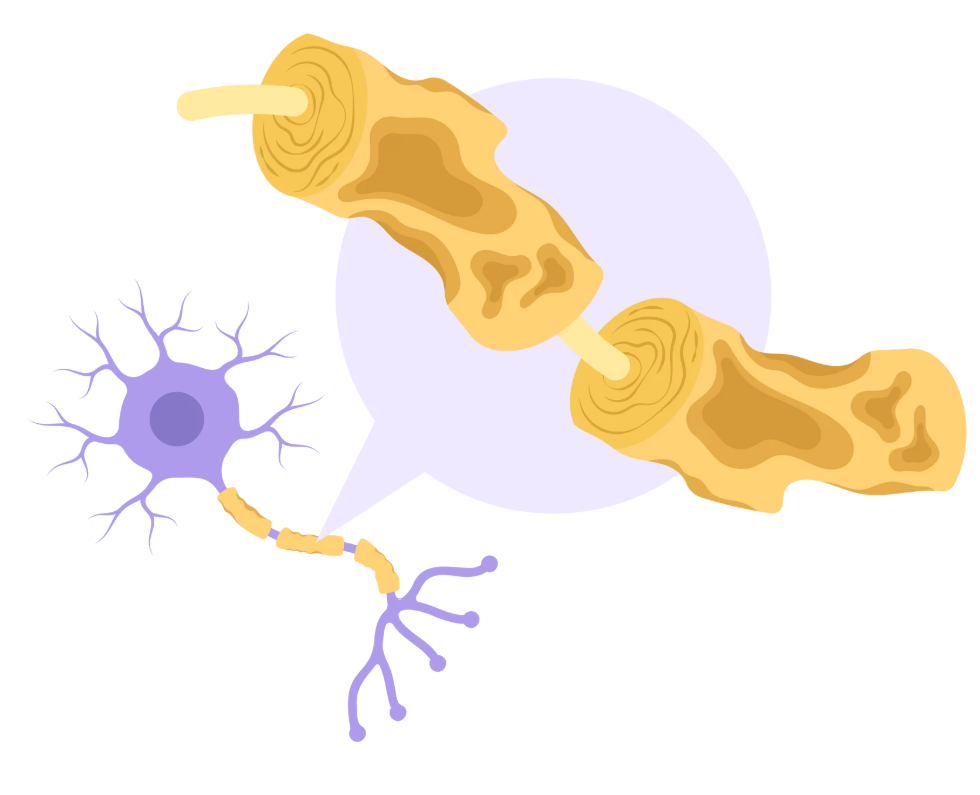
Functional retinal photoreceptor cells are progressively lacking because rods and cones degenerate over time. Rod function for night vision is lost first in true PRA and cone loss follows. No nutrient deficiency is identified as the direct cause because inherited retinal degeneration is the core problem. Progressive cellular loss can culminate in complete blindness.

1. Lutein can,might be helpful for general ocular tissue support.
2. Zeaxanthin can,might be helpful for ocular antioxidant support.
3. Astaxanthin can,might be helpful for oxidative stress support.
4. Vitamin C can,might be helpful for eye tissue support.
5. Vitamin E can,might be helpful for ocular antioxidant support.
1. Glucosamine hydrochloride can,might be helpful for cartilage support.
2. Chondroitin sulfate can,might be helpful for joint support.
3. MSM can,might be helpful for joint comfort support.
4. Omega-3 fatty acids EPA and DHA can,might be helpful for inflammation support.
1. Lutein can,might be helpful for ocular antioxidant support.
2. Zeaxanthin can,might be helpful for ocular antioxidant support.
3. Astaxanthin can,might be helpful for oxidative stress support.
4. Vitamin C can,might be helpful for eye tissue support.
5. Vitamin E can,might be helpful for ocular antioxidant support.
1. Coenzyme Q10 can,might be helpful for myocardial support.
2. L-carnitine can,might be helpful for cardiac energy metabolism support.
3. Taurine can,might be helpful for heart muscle support.
4. Omega-3 fatty acids EPA and DHA can,might be helpful for cardiac support.
1. Lutein can,might be helpful for retinal support.
2. Zeaxanthin can,might be helpful for ocular antioxidant support.
3. Vitamin A can,might be helpful for retinal cellular support.
4. Vitamin E can,might be helpful for ocular antioxidant support.
5. Coenzyme Q10 can,might be helpful for retinal cellular support.
+852 6358 3131
香港中環德輔道中84-86號章記大廈9樓01室
週一到週日,早上10點到下午9點
 +852 9160 8619
 +852 9160 8619