我們的服務
寵物護理服務
獸醫服務
其他
Length range : 69-74 cm
Height range : 43-48cm
Weight range : 16-25kg
Coat : soft|flat|dense double coat with feathering
Life expectancy years : 12-15
Colors: red and white|piebald.
Activitity Level : High
Origin: United Kingdom|Wales
Similar Breeds : English Springer Spaniel|English Cocker Spaniel|Brittany
The Welshie is among Britain’s oldest sporting breeds and was developed in Wales as an ancient bird-hunting dog. PetMD notes AKC member status in 1906 and Four Paws describes development before hunting guns to spring game toward capture nets and later work as versatile hunters , water dogs and retrievers.
happy|lively|resilient|friendly|confident|reserved with strangers
loyal|affectionate|devoted|friendly with family|alert|confident|hard-working
daily exercise|human companionship|secure fenced area or leash outdoors|early socialization|consistent positive training|weekly brushing
strongly family-oriented|prefers company of people|can get along with dogs and cats if socialized|reserved with strangers|not ideal with pet birds or small prey animals
Weekly brushing is usually enough though more may be needed depending on coat and lifestyle. The floppy ears should be checked and cleaned regularly and bathing should use dog-specific shampoo without overbathing.
Feed an AAFCO-compliant food appropriate for age , size and health history. Most adults do well on two meals daily while puppies often need three meals. Treats should stay within about 10 percent of daily calories.
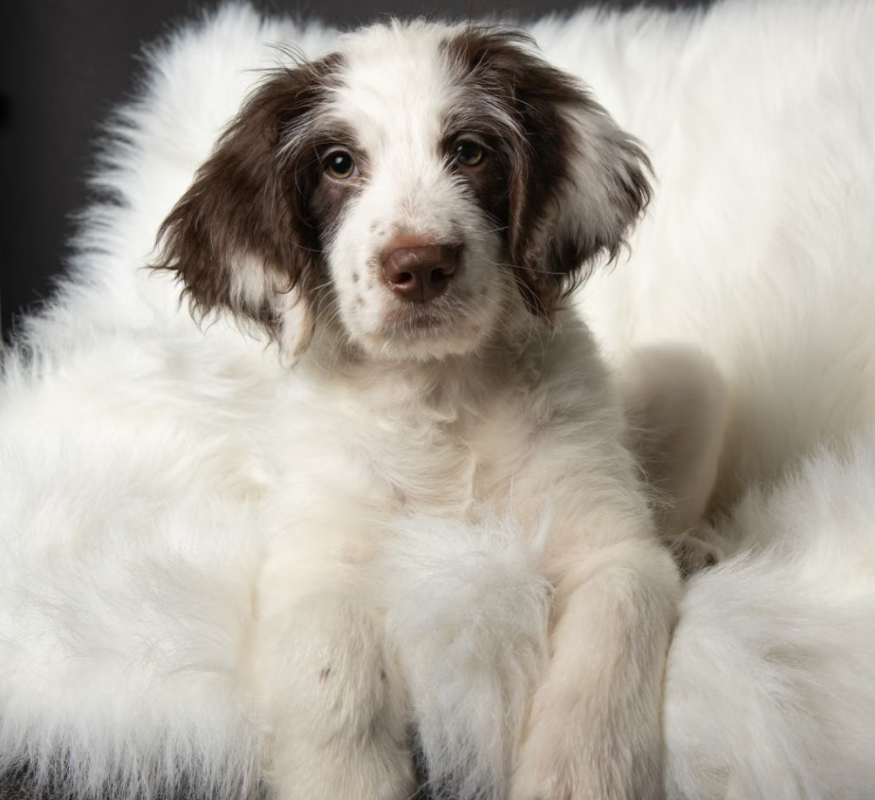
sporting bird dog|compact not leggy build|built for hard work and endurance|red and white coat only
The Welsh Springer Spaniel is often called a Velcro dog because it strongly prefers being with its family. Though similar to the English Springer Spaniel it is a distinct breed and comes only in red and white.
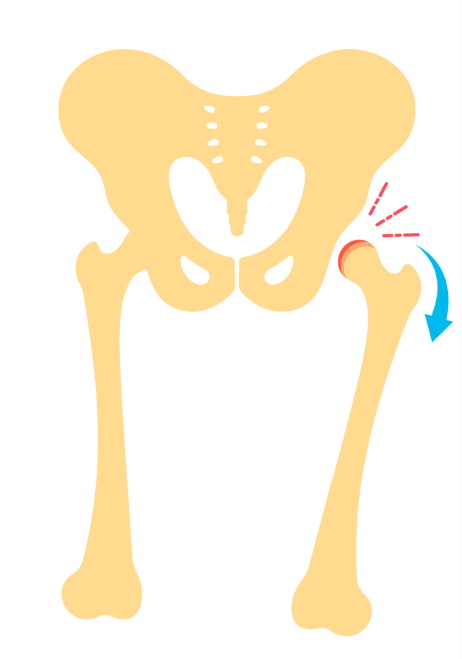
Canine Hip Dysplasia, Hypothyroidism, Progressive Retinal Atrophy, Cataracts, Otitis Externa
1. Bunny-hopping , difficulty getting up , limping or stiffness in back legs , reluctance to jump , loss of hindlimb muscle mass , hip pain and shifting weight to front legs may occur.
1. Weight gain , lethargy , mental dullness , dry brittle hair , chronic ear infections , chronic skin infections , hair loss and coat changes may occur.
1. Night blindness , reluctance to enter dark areas , hesitance on stairs , bumping into door frames , dilated pupils , reflective eyes and later daytime vision loss may occur.
1. Cloudy or white streaked eye appearance , blurred vision , bumping into objects , dim-light hesitation and progressive vision loss may occur.
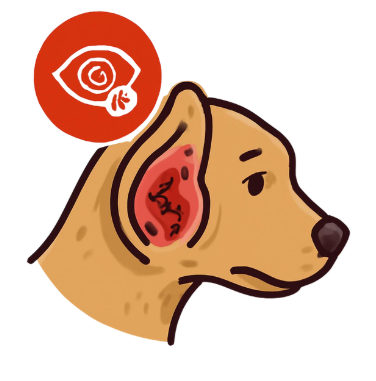
1. Head shaking , ear scratching , red inflamed ears , bad odor , black or yellow discharge , pain , swelling and sensitivity when touched may occur.
Signs may appear as early as a few months old or later in life depending on severity and arthritis development.
Large and medium breed predisposition is described and breed-matched health text characterizes this as high breed-specific risk.
It is most common in middle-aged dogs and source texts place typical onset around 3 to 8 years or broadly 4 to 10 years.
High breed-specific risk is supported by Oxford Labs which ranks the breed number 19 with 13.9 percent of tested dogs affected.
Vision loss often begins during adulthood and provided breed-matched text places many cases around 3 to 6 years.
Moderate to high breed-specific risk is described in the provided breed-matched health text.
Cataracts can develop at any age. Juvenile inherited forms may appear around 1 to 4 years while other cases occur later in mature or senior dogs.
Moderate risk is described in the provided breed-matched health text and cataracts are also noted as a common cause of blindness in older Springers.
It can occur at any age and may follow moisture exposure such as field work , swimming or bathing.
High risk is associated with long floppy ears and repeated infections may occur when underlying disease remains untreated.
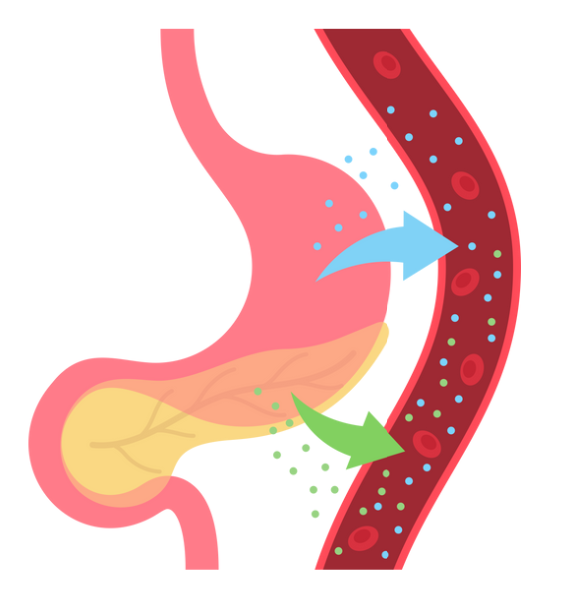
1. No specific lacking chemical is identified in the provided text.
2. The condition develops from hip joint laxity and abnormal movement of the femoral head.
3. Progressive cartilage loss and later scar tissue and osteophytes can follow.

1. Functional retinal photoreceptor cells are progressively lacking as rods and then cones degenerate.
2. This loss first reduces night vision and later affects day vision.
3. The condition reflects inherited retinal cell degeneration rather than a nutrient deficiency.
4. No specific missing chemical is identified.

1. Thyroid hormone is lacking.
2. This slows metabolism and can contribute to lethargy , weight gain and coat or skin changes.
3. The common underlying process is lymphocytic thyroiditis or thyroid gland atrophy that reduces functional thyroid tissue.
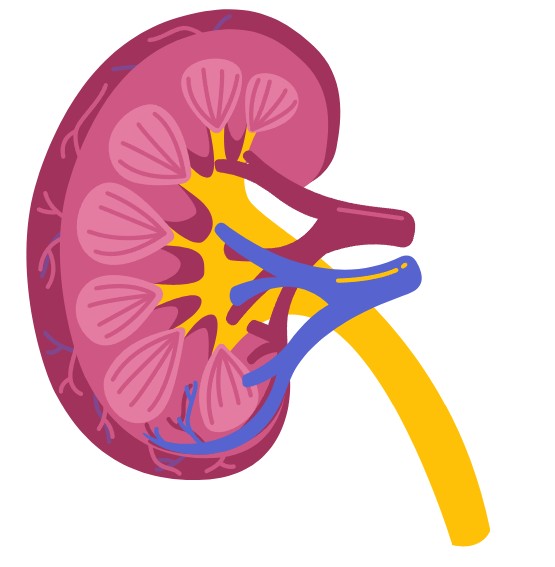
1. Lens transparency is lacking because the crystalline lens becomes opaque.
2. This blocks light from reaching the retina clearly and can cause progressive visual impairment.
3. The provided texts describe hereditary risk , diabetes , trauma and chronic eye disease as contributors rather than a specific missing chemical.
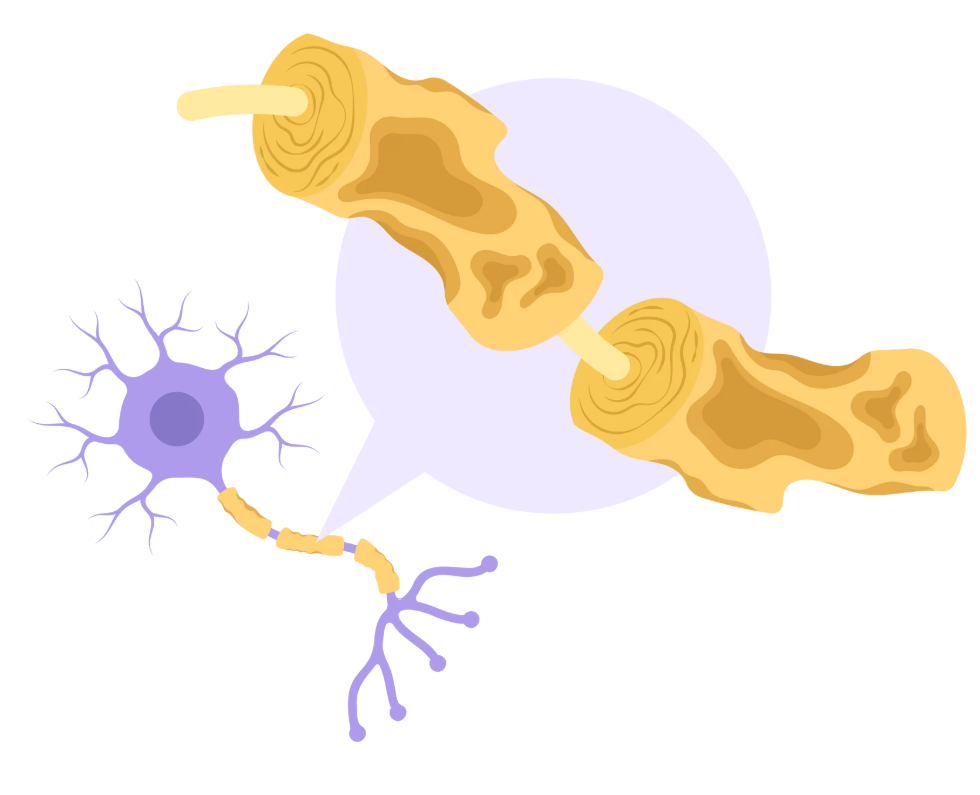
1. No specific missing chemical is described.
2. The problem is linked to limited airflow , trapped moisture and secondary bacterial or fungal overgrowth.
3. Hypothyroidism or allergies can increase susceptibility to recurrent ear disease.

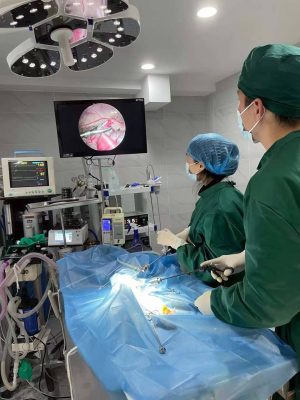
1. Management may include maintaining a healthy body weight , NSAIDs or other pain relievers , low-impact exercise such as walking and swimming , physical therapy and selected surgery for severe cases.
2. Dogs with CHD should not be used for breeding.
1. Lifelong daily oral levothyroxine may be used and serum thyroid testing may help confirm and monitor treatment because low T4 alone is inadequate for diagnosis.
1. There is no cure.
2. Management may focus on safety through stable home layout , extra lighting , verbal guidance , specialist eye examinations and careful breeding decisions based on DNA testing where available.
1. Early cataracts may not need immediate treatment but advanced cases may be evaluated by a veterinary ophthalmologist.
2. Surgery may remove the lens and restore vision in many dogs and other eye complications such as glaucoma might require intervention.
1. Veterinarians may diagnose the cause with otoscopy and cytology and treatment might include cleaning , targeted antibiotics or antifungals , anti-inflammatory medication and management of underlying allergies or hypothyroidism. Ask professional vets for detailed information.
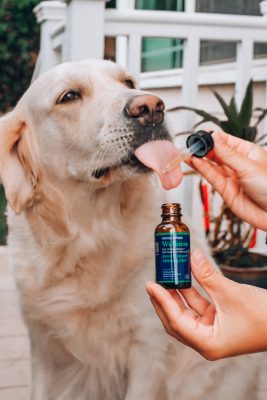
1. Glucosamine can,might be helpful for cartilage support.
2. Chondroitin can,might be helpful for joint support.
3. Omega-3 fatty acids can,might be helpful for inflammation support.
4. Cartilage protective supplements can,might be helpful for joint care.
1. Omega-3 fatty acids can,might be helpful for skin and coat support.
2. Omega-6 fatty acids can,might be helpful for dermal support.
3. Zinc can,might be helpful for coat quality support.
4. B-complex vitamins can,might be helpful for skin support.
1. Antioxidant supplements can,might be helpful for retinal function support and might help delay cataract formation.
1. No supplement is clearly established as standard corrective therapy in the provided primary source although oxidative support formulas are described in the breed-matched text.
1. No supplement is clearly established in the provided primary source for routine treatment of ear infection.
+852 6358 3131
香港中環德輔道中84-86號章記大廈9樓01室
週一到週日,早上10點到下午9點
 +852 9160 8619
 +852 9160 8619