我們的服務
寵物護理服務
獸醫服務
其他
Length range : 53-61 cm
Height range : 36-39cm
Weight range : 9-10kg
Coat : coarse|wire-textured double coat with harsh outer coat and smooth soft undercoat
Life expectancy years : 12-15
Colors: black and tan|tan head legs and underbelly with black back.
Activitity Level : High
Origin: United Kingdom|Wales
Similar Breeds : Airedale Terrier|Lakeland Terrier|Wire Fox Terrier
The Welsh Terrier is regarded as one of the oldest terrier breeds in Wales and its roots may date back as far as 1200. Hunters used black-and-tan terriers to eliminate vermin , badgers , otters , foxes and hares. The Kennel Club of England recognized the breed in 1886 and it reached the United States by 1888.
alert|spirited|merry|curious|fearless|friendly|not quarrelsome
affectionate|obedient|intelligent|friendly|confident|cheerful|spirited
daily exercise|mental stimulation|firm but gentle handling|professional grooming|secure fenced space or leash
friendly with family|can do well with children and other dogs when socialized|cautious at first with strangers|may chase small animals
Regular brushing , combing and clipping are essential and many owners use a professional groomer every two to three months. Brush at least once or twice weekly to prevent matting and hand-strip loose hairs during heavier shedding periods. Ear cleaning and routine nail care are also important.
Feed a high-quality small-breed food that meets AAFCO standards and matches life stage. Adults generally do well on two meals daily while puppies may need three or four meals per day. Portion control is important because the breed can become overweight.
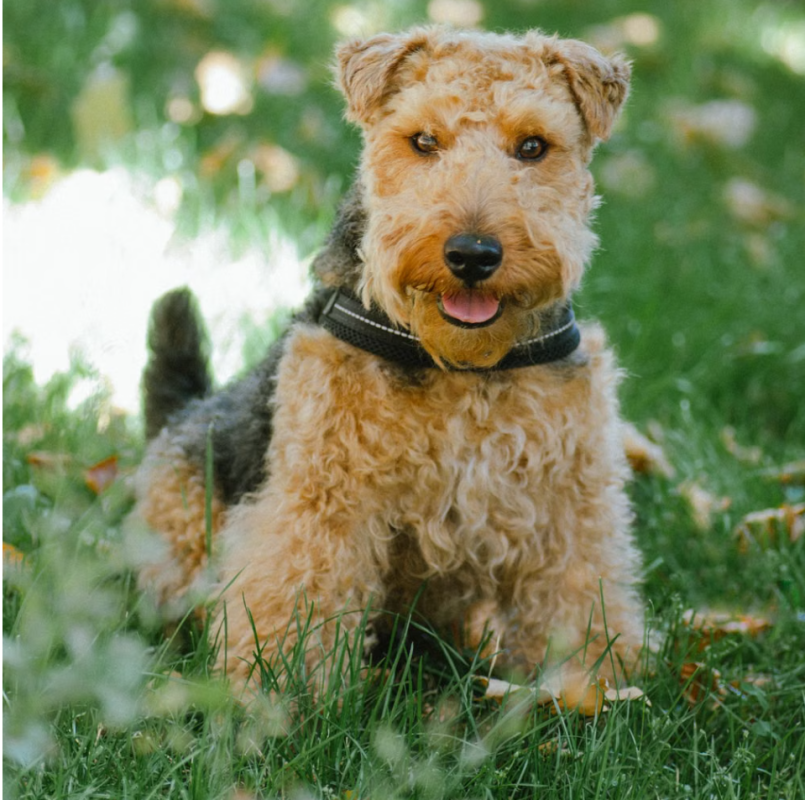
small square and muscular terrier|rectangular head|folded ears|coarse black and tan coat|made for working life
The Welsh Terrier is sometimes described as looking like a miniature Airedale. A famous Welsh Terrier named Charlie lived in the White House with President John F. Kennedy and his family.
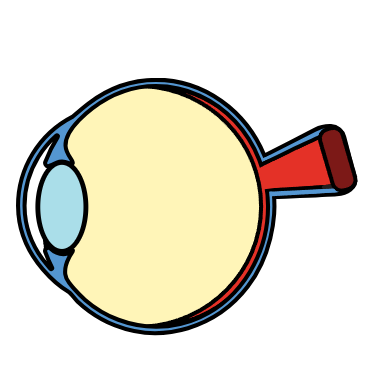
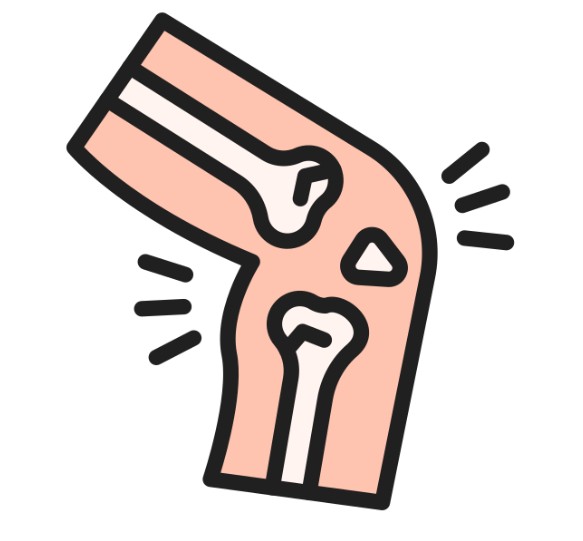
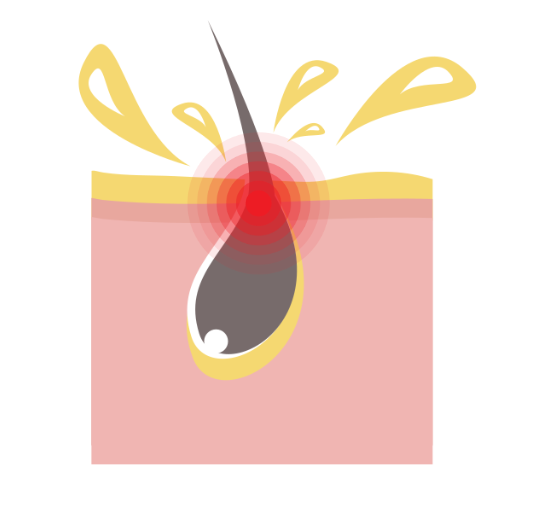
Primary Lens Luxation, Glaucoma, Luxating Patella, Atopic Dermatitis, Hypothyroidism
1. Red eye , tearing , squinting , cloudiness or haziness , painful eye , pupil shape changes , pawing at the eye and sudden vision loss may occur.
1. Severe eye pain , squinting , excessive tearing , cloudy or bluish eye , reddened sclera , enlarged eye , dilated pupils , lethargy and rapid vision loss may occur.
1. Sudden lifting of one hind limb , skipping gait , intermittent limp , hopping on three legs , cracking or popping when the knee bends , stiff awkward gait and reluctance to jump may occur.
1. Chronic itching , face rubbing , chewing or licking , redness , papules , alopecia , thickened skin , crusting , seborrhea , recurrent skin or ear infections may occur.
1. Lethargy , weight gain , obesity , dry coat , excessive shedding , slow hair regrowth , nonpruritic alopecia , skin thickening , mental dullness and recurrent skin disease may occur.
It most commonly develops between 3 and 8 years of age and structural eye changes may be evident by about 20 months before lens luxation occurs.
breed-specific risk is described for terrier breeds and the breed-matched health text classifies Welsh Terriers as high risk.
many cases occur in young adult to middle-aged dogs around 3 to 7 years and acute episodes can develop within 12 to 24 hours.
breed-specific risk is described in the breed-matched health text and many terrier breeds are considered more susceptible.
It may become noticeable between 4 and 12 months of age although mild cases may be found later or incidentally on routine examination.
risk is described in the breed-matched health text and hereditary predisposition is emphasized.
Signs usually develop between 6 months and 3 years of age and many clinically affected dogs begin young.
risk is described in the breed-matched health text and canine atopic dermatitis affects up to 15 percent of the global dog population overall.
It is most common in dogs 4 to 10 years old and breed-matched text places many cases around 4 to 9 years.
risk is described in the breed-matched health text and Welsh Terriers are listed among chief inherited health concerns in the breed page.
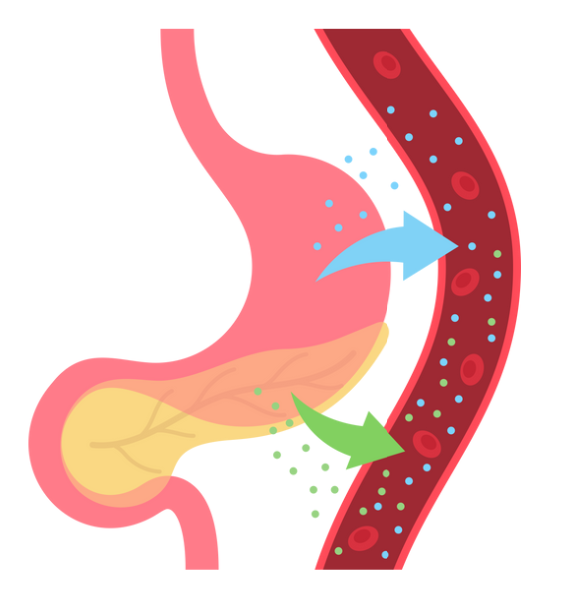
1. Normal zonular support is lacking because inherited weakness causes the lens ligaments to break down.
2. The ADAMTS17 gene variant is the described cause.
3. This makes the lens unstable and can allow forward displacement that increases glaucoma risk.

1. No specific missing chemical is identified as the cause.
2. Stable alignment of the kneecap is lacking because the quadriceps mechanism and trochlear groove are abnormal.
3. This instability lets the patella slip sideways from its normal track.

1. Normal aqueous humor drainage is lacking because the drainage angle or fluid outflow pathway does not function properly.
2. Lens displacement can also obstruct fluid dynamics.
3. This allows intraocular pressure to rise and may damage the retina and optic nerve.
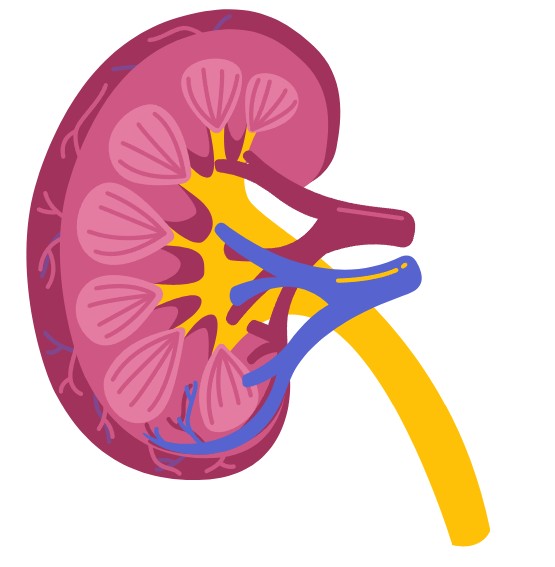
1. Effective skin barrier protection is lacking because barrier dysfunction and immunologic dysregulation are central features of the disease.
2. This can allow environmental allergens to penetrate and trigger exaggerated inflammatory responses.
3. No specific missing chemical is identified as the sole cause.
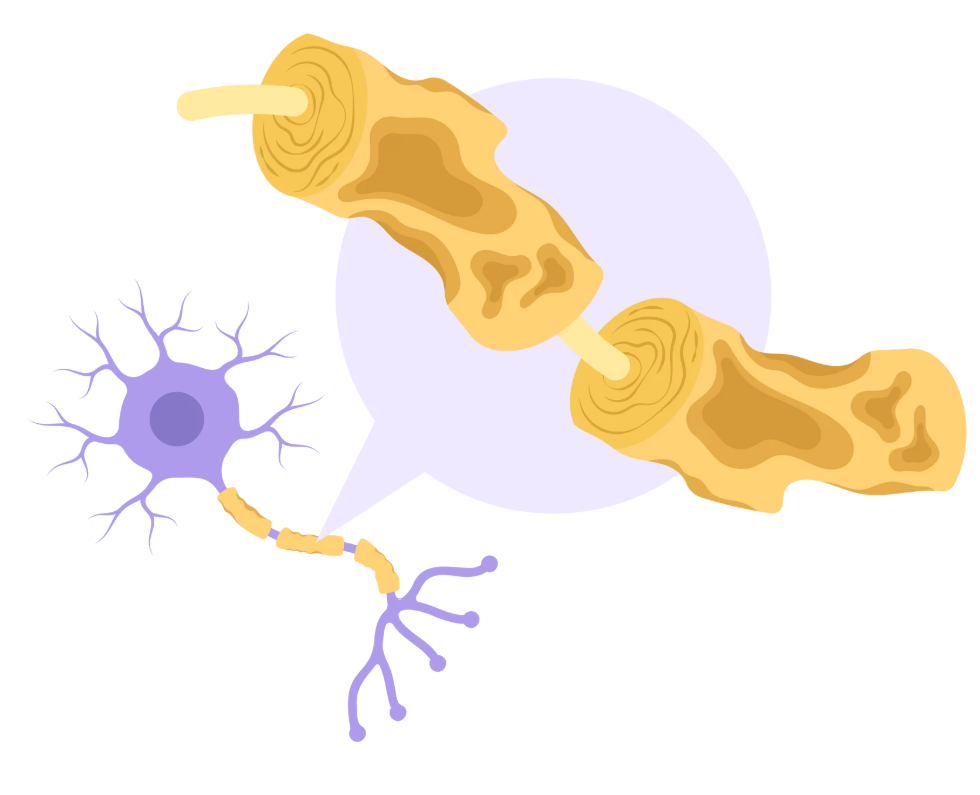
1. Thyroid hormone is lacking.
2. This slows metabolism and can contribute to lethargy , weight gain and coat changes.
3. The deficiency usually follows lymphocytic thyroiditis or idiopathic thyroid atrophy that destroys functional thyroid tissue.

1. Early cases may be treated as an emergency and surgery to remove the lens may be the most common treatment for anterior lens luxation.
2. Topical eye medications may be needed long-term and dogs with lens luxation should not be bred.
1. Acute disease may require emergency medications to lower eye pressure quickly and chronic disease may need lifelong drugs with regular pressure checks.
2. Surgery or enucleation might be needed in painful blind end-stage eyes.
1. Mild cases may be managed with anti-inflammatory medication , weight control , joint support and temporary exercise restriction.
2. Severe or painful cases may need surgery to deepen the groove or realign structures around the knee.
1. Diagnosis remains clinical and no laboratory test alone can diagnose the disorder.
2. Management may include ruling out mimicking diseases , elimination diet trials , topical therapy , oral or injectable medications and allergen-specific immunotherapy when indicated.
1. Lifelong daily oral levothyroxine may be used and diagnosis may require clinical signs together with T4 , free T4 and TSH interpretation rather than low T4 alone.
2. Response to therapy may help confirm the diagnosis. Ask professional vets for detailed information.
+852 6358 3131
香港中環德輔道中84-86號章記大廈9樓01室
週一到週日,早上10點到下午9點
 +852 9160 8619
 +852 9160 8619