我們的服務
寵物護理服務
獸醫服務
其他
Length range : 38-51 cm
Height range : 23-30cm
Weight range : 6-10kg
Coat : harsh white outer coat|soft white undercoat|double coat|coarse weather-resistant coat
Life expectancy years : 12-16
Colors: white.
Activitity Level : Medium
Origin: Scotland|United Kingdom
Similar Breeds : Cairn Terrier|Scottish Terrier|Skye Terrier
The breed originated in Scotland several hundred years ago and was developed to hunt rats and foxes across rugged terrain. The white coat became established after a hunting accident reportedly led breeders to favor white dogs for visibility. The breed was formerly associated with names such as Roseneath Terrier and Poltalloch Terrier and was officially recognized in the United Kingdom in 1907 and by the American Kennel Club in 1908.
confident|feisty|independent|sociable|smart|entertaining
smart|confident|friendly|curious|affectionate|playful|alert
daily exercise|mental stimulation|regular grooming|dental care|socialization|leash or fenced area because of prey drive
forms strong bonds with family|generally good with children when supervised and socialized|can get along with cats if properly introduced|prefers company and should not be left alone too long
Weekly brushing and regular coat care are needed and many owners use professional grooming every four to six weeks. Baths are usually occasional to every four weeks depending on skin condition. Teeth should ideally be brushed daily and ears checked weekly or every one to two weeks with nails clipped as needed.
Feed a complete and balanced AAFCO-appropriate diet matched to life stage. Adults are typically fed measured meals twice daily and puppies at least three meals daily. Dental-supportive kibble may be useful and omega-3 supplementation may be considered with veterinary guidance. Avoid overfeeding and fatty human foods to reduce obesity risk.

small sturdy terrier|white harsh outer coat with soft undercoat|pointed ears|compact body with straight back and deep chest|dark almond-shaped eyes|muscular limbs
The Westie’s white coat was favored so hunters could distinguish the dog from quarry more easily. The breed still carries the determination of an earthdog and the name terrier traces back to earth-working roots.
Atopic Dermatitis, Craniomandibular Osteopathy, Idiopathic Pulmonary Fibrosis, Luxating Patella, Globoid Cell Leukodystrophy
1. Chronic itching , redness around face , paws , axillae and groin , frequent ear infections , face rubbing , darkened or thickened skin , alopecia , scaling , excoriations and recurrent yeast or bacterial skin issues may occur.
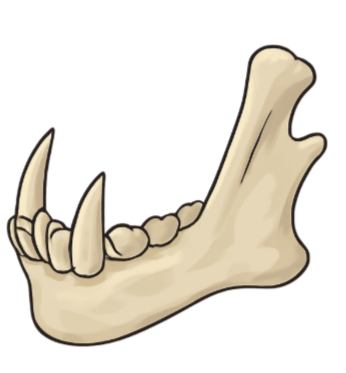
1. Painful jaw swelling , drooling , difficulty grasping food , difficulty chewing , reluctance to open the mouth , fever , lethargy , weight loss and malnutrition may occur.
1. Chronic dry cough , rapid or labored breathing , crackling lung sounds , exercise intolerance , lethargy and blue-tinged gums during exertion may occur.
1. Sudden hind-limb lifting , intermittent skipping or hopping , brief limp , bowlegged stance , cracking or popping of the knee , stiffness and reluctance to jump or climb may occur.
1. Progressive hind-limb weakness , ataxia , head or body tremors , stiffness , vision loss , head tilt and severe loss of motor control may occur.
The age of onset is generally between 6 months and 3 years and breed-matched text also places onset typically between 1 and 4 years.
High breed-specific risk is described and West Highland White Terriers are listed among breeds predisposed to atopic dermatitis.
It usually affects young dogs between 3 and 8 months of age and may begin as early as 2 months while commonly occurring during the first year of life.
High breed-specific risk is described and West Highland White Terriers are significantly more at risk than mixed-breed dogs.
It is most commonly diagnosed in mature to senior dogs between about 8 and 13 years of age.
High breed-specific risk is described in the provided breed-matched text.
It is often first noticed between 4 and 12 months of age though mild cases may be recognized later.
High breed-specific risk is described in the provided breed-matched text and small breeds are commonly predisposed.
Symptoms typically appear early in life between 1 and 6 months of age.
Moderate breed-specific risk is described in the provided breed-matched text and DNA screening may identify risk.
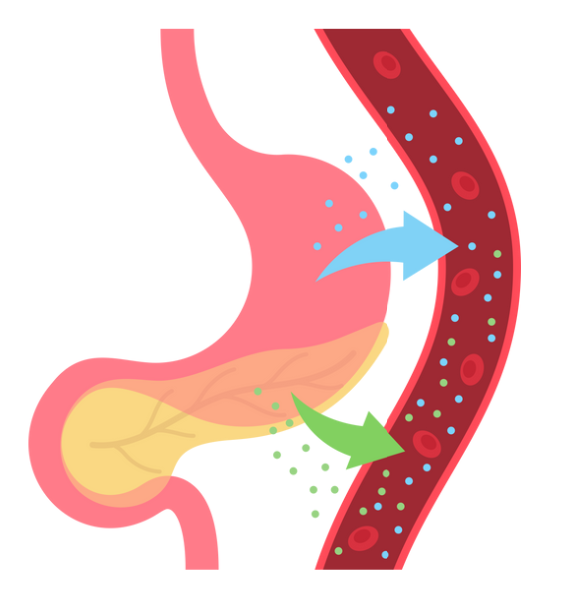
Skin barrier protection is lacking and this can allow environmental , food or microbial allergens to penetrate more easily. Immune balance may also be lacking because the disease is associated with IgE sensitization , microbial dysbiosis and inflammatory signaling. This can make the skin more vulnerable to chronic pruritus , erythema and recurrent infections. No single chemical deficiency is identified as the sole cause.

Normal alveolar tissue repair is lacking because chronic injury is followed by abnormal repair and excessive collagen deposition in the pulmonary interstitium. Lung elasticity is therefore reduced and gas exchange may become impaired. No specific missing nutrient or chemical is identified as the cause in the provided text. Oxidative stress may be relevant to progression based on the supportive supplement text.

The GALC enzyme is not the stated problem in the provided authoritative Westie sources and no confirmed nutrient deficiency is identified there. Normal bone remodeling control is lacking because inherited abnormal bone replacement causes excessive skull and jaw bone growth. This can make the jaw thickened , painful and difficult to open or close. No specific supplement deficiency is established as the cause.
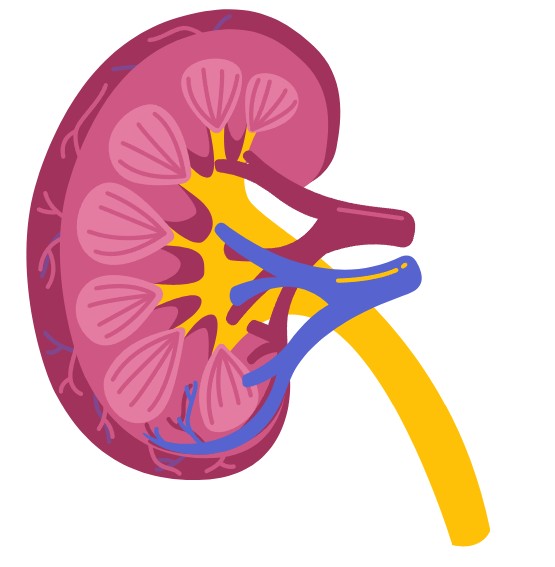
No specific missing chemical is described. Structural stability is lacking because the patella can slip from a shallow trochlear groove with abnormal limb alignment. This may increase joint instability and can contribute to arthritis over time.
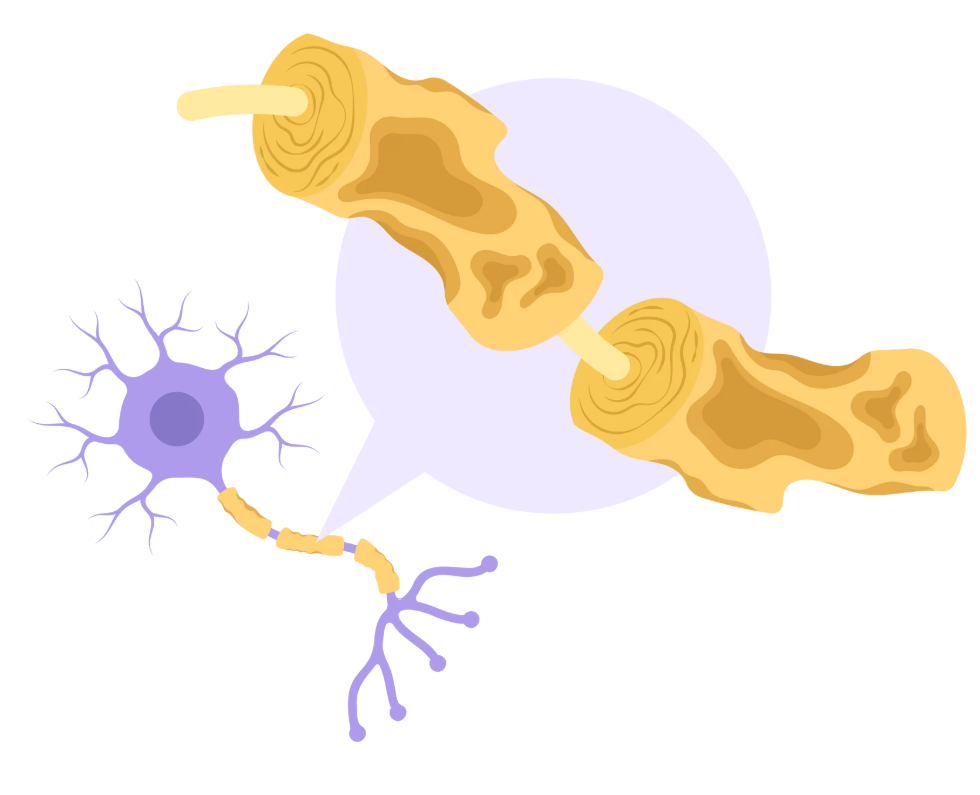
Galactosylceramidase may be lacking because the disease is described as an enzyme deficiency. Toxic accumulation of galactosylsphingosine may then damage myelin in the central and peripheral nervous systems. This can make affected puppies susceptible to progressive neurologic decline and motor dysfunction.

+852 6358 3131
香港中環德輔道中84-86號章記大廈9樓01室
週一到週日,早上10點到下午9點
 +852 9160 8619
 +852 9160 8619