我們的服務
寵物護理服務
獸醫服務
其他
Length range : 76-89 cm
Height range : 51-61cm
Weight range : 23-27kg
Coat : double coat|harsh wiry outer coat|soft undercoat|scruffy|protective all-weather coat|low-shedding
Life expectancy years : 10-14
Colors: steel gray with brown markings|gray and brown|chestnut and white|roan.
Activitity Level : High
Origin: France
Similar Breeds : German Wirehaired Pointer|Spinone Italiano|Wire Fox Terrier
The breed was developed in The Netherlands during the 1800s and much of its refinement took place in France. Also known as the Korthals after Edward Korthals , the breed was created from continental gundog stock to produce a hardy , versatile hunting dog that was slower than speedy British dogs but faster than slower continental dogs. Its protective coat and close-working hunting style made it useful across rough terrain , water , and thicket.
friendly|even-tempered|assertive|obedient|independent|quiet|resilient
outgoing|eager|quick-witted|loving|gentle|intelligent|loyal|alert
lots of exercise|mental stimulation|outdoor space|weekly brushing|routine ear care|consistent training
very attached to owners|usually gentle with children|social with friendly dogs|may chase smaller pets because of prey drive
Weekly brushing is usually enough and some dogs need routine hand stripping. Bathe only a few times a year or as needed because bathing more than once a month can strip natural oils. Trim around feet and eyes as needed , wipe eyes daily if debris collects , clean ears every one to two weeks , and keep whiskers tidy.
Feed an AAFCO-compliant diet matched to age , activity , and health. Puppies generally need three or four meals daily while adults are usually fed twice daily. Smaller more frequent meals and a slow feeder may help reduce bloat risk and raised food bowls are not recommended.
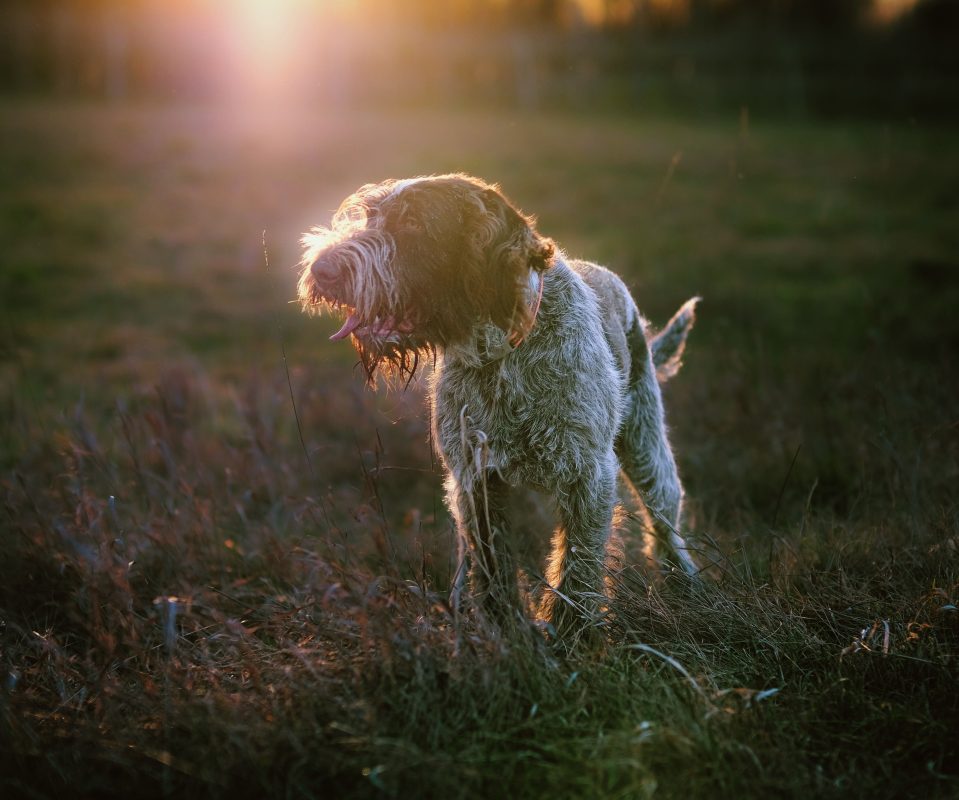
medium sturdy athletic build|rectangular shape|harsh wiry coat with beard and moustache|cat-like gait|tail docked or carried horizontally|protective coat for water and thicket
The breed is also called the Korthals and Zolette was the first Wirehaired Pointing Griffon registered with the AKC.
Canine Hip Dysplasia, Otitis Externa, Progressive Retinal Atrophy, Cataracts, Hypothyroidism
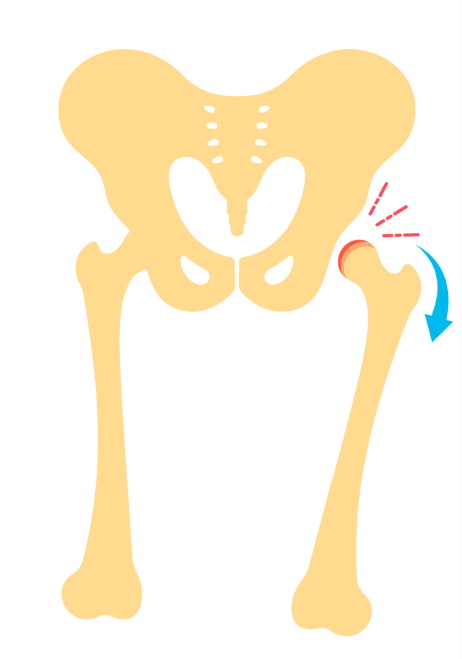
1. Bunny-hopping gait
2. Difficulty or stiffness when rising
3. Reluctance to climb stairs or run
4. Hind-limb muscle atrophy
5. Hip pain and limping may occur.
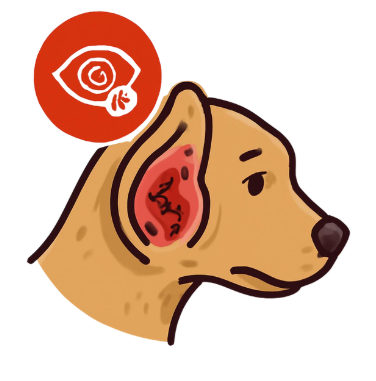
1. Frequent head shaking
2. Ear scratching
3. Dark or purulent discharge
4. Bad ear odor
5. Redness , swelling and pain may occur.
1. Night blindness
2. Hesitation in dim light
3. Dilated pupils
4. Increased eye shine
5. Daytime vision loss may occur later.
1. Cloudy or bluish-white pupil appearance
2. White spot or streak
3. Bumping into objects
4. Hesitation in dim environments
5. Depth perception changes and vision loss may occur.
1. Weight gain
2. Lethargy
3. Mental dullness
4. Symmetrical non-itchy hair loss
5. Dry coat , cold intolerance and recurrent skin or ear infections may occur.
Signs may appear during rapid growth from about 4 to 12 months or later in life as osteoarthritis develops.
High breed-specific risk is described in the supplied external text even though the breed page says the breed is generally healthy overall.
It can occur at any age and may flare after swimming , field work , hunting in dense cover or humid conditions.
High risk is described in the supplied external text because sporting dogs with ear furnishings and repeated outdoor moisture exposure may commonly develop ear problems.
It typically presents in young adulthood to middle age and supplied external text places common onset around 3 to 6 years of age.
Moderate risk is described because PRA is an inherited eye disease specifically listed as a breed concern.
Juvenile inherited forms may present between 1 and 4 years of age while age-related cataracts may appear in mature to senior dogs.
Moderate risk is described because cataracts are reported to occur more frequently in this breed than in many other dog breeds.
It is most common in middle-aged dogs and generally emerges between 4 and 10 years of age with supplied external text placing typical onset around 4 to 9 years.
Moderate risk is described in the supplied external text and repeated ear or skin issues may increase clinical suspicion when metabolic signs are present.
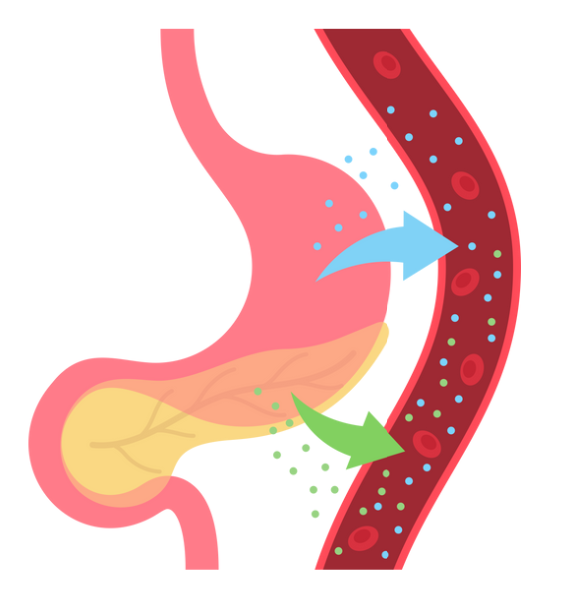
Normal hip stability is lacking because the coxofemoral joint forms too loosely and joint laxity develops early. Cartilage protection may then be lost over time and osteoarthritis can follow. No single chemical deficiency is established as the direct cause in the supplied text. Rapid growth , excess calories and improper calcium balance can worsen vulnerability in predisposed dogs.

Normal retinal photoreceptor survival is lacking because inherited degeneration causes rods and cones to break down over time. Rod dysfunction may come first and night vision may decline before day vision is lost. No nutrient deficiency is established as the direct cause in the supplied text because the condition is genetic. This progressive cellular loss can culminate in complete blindness.

Normal ear canal defense is lacking when moisture , debris and poor air flow remain trapped in the external ear canal. This means the canal environment loses its protective balance and becomes more favorable for yeast or bacterial overgrowth. No single missing nutrient is established as the direct cause in the supplied text. The resulting microclimate can increase susceptibility to inflammation , pain and recurrent infection.
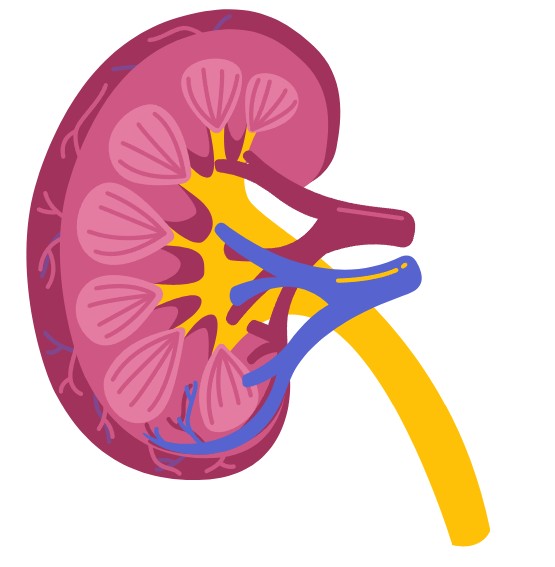
Lens transparency is lacking once proteins and fibers in the lens break down and the lens becomes opaque. No specific missing nutrient is established as the usual direct cause because hereditary factors , diabetes , trauma and chronic eye disease are described instead. This loss of clarity blocks proper light transmission to the retina. Vision may progressively worsen as opacity expands.
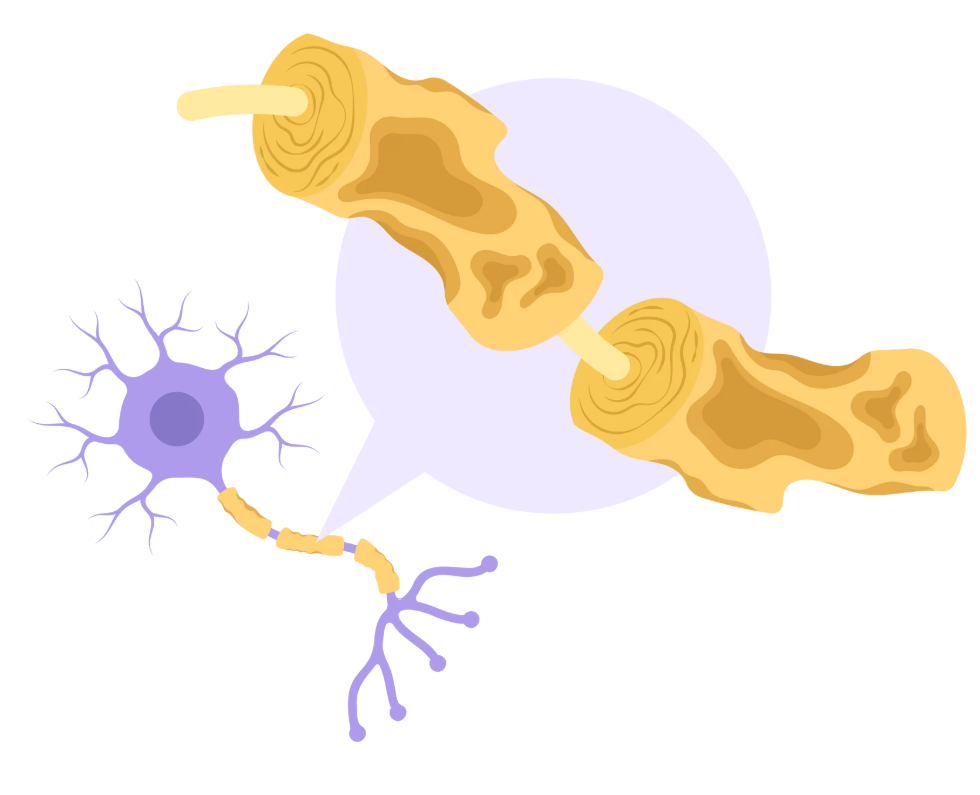
Thyroid hormone is lacking because functional thyroid tissue is progressively destroyed or replaced. This hormonal deficiency slows cellular metabolism throughout the body. The supplied text links the condition to lymphocytic thyroiditis or idiopathic thyroid gland atrophy rather than a simple dietary shortage. Reduced hormone availability can contribute to lethargy , weight gain and skin or coat changes.

+852 6358 3131
香港中環德輔道中84-86號章記大廈9樓01室
週一到週日,早上10點到下午9點
 +852 9160 8619
 +852 9160 8619