我們的服務
寵物護理服務
獸醫服務
其他
Length range : 74-86 cm
Height range : 53-64cm
Weight range : 18-29kg
Coat : dense wiry weather-resistant coat|water-repellent outer coat|undercoat present|pronounced eyebrows|harsh beard
Life expectancy years : 12-14
Colors: golden rust|golden sand|russet to golden sand.
Activitity Level : High
Origin: Hungary
Similar Breeds : Vizsla|German Wirehaired Pointer|Weimaraner
The breed was developed in Hungary in the 1930s by hunters and falconers who crossed Vizslas with German Wirehaired Pointers to create a sturdier hunting dog able to handle harsh winter conditions in field , forest , and water.
calm indoors with enough exercise|gentle|loving|intelligent|confident|lively|determined
affectionate|loyal|sensitive|smart|gentle|people-oriented|energetic|enthusiastic
daily vigorous exercise|mental stimulation|close companionship|secure fenced area or leash|regular brushing|ear care after water exposure
very attached to owner|gentle with children|may struggle with long separations|can chase smaller pets unless managed and socialized
Brush a few times each week to reduce shedding and remove debris and consider coat stripping if needed to maintain texture. Trim shaggy eyebrows if they irritate the eyes and clean ears after swimming or bathing to help reduce moisture-related ear problems.
Feed a complete and balanced AAFCO-compliant diet matched to life stage and activity level. Adults often do well on two meals daily while puppies may need three meals. Work with a veterinarian on portions and use condition-specific diets if urinary stone risk or other health issues arise.
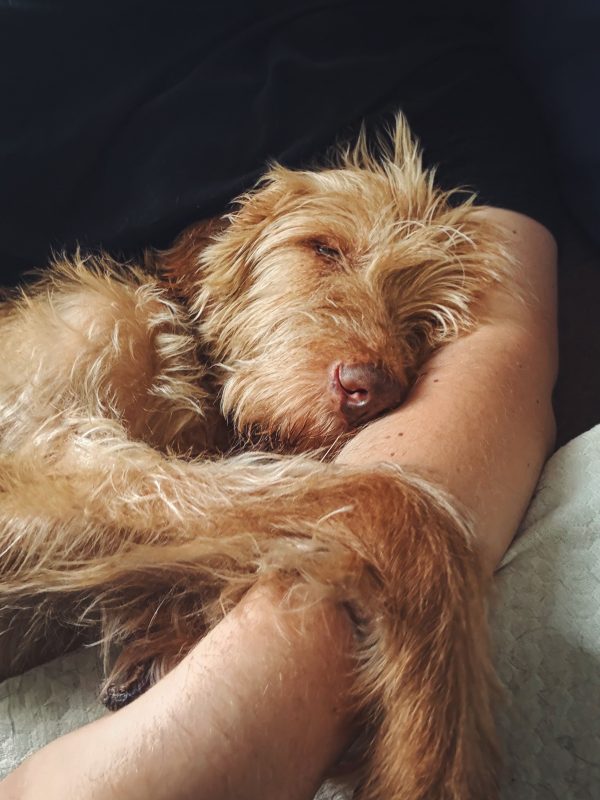
sturdy versatile hunting dog|robust and lean build|dense wiry weather-resistant coat|pronounced eyebrows and beard|pointer and retriever on land and water
The breed was created in Hungary in the 1930s to be a sturdier all-weather hunting companion and is often noted as capable on both land and water. Despite its working roots it can also serve as a gentle family dog or therapy dog when exercise and companionship needs are met.
Canine Hip Dysplasia, Hyperuricosuria, Sebaceous Adenitis, Progressive Retinal Atrophy, Hypothyroidism
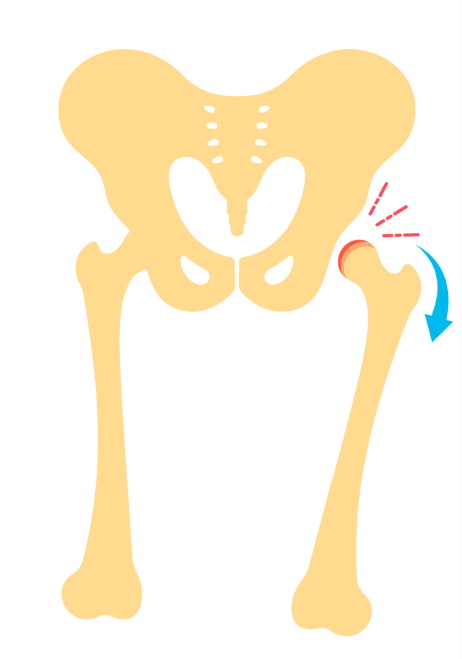
1. Bunny-hopping gait
2. Difficulty or stiffness when rising
3. Reluctance to climb stairs , jump or run
4. Hind-limb muscle loss
5. Hip pain or limping may occur.
1. Frequent attempts to urinate
2. Straining to urinate
3. Blood in the urine
4. Dribbling urine
5. Abdominal pain or urinary blockage may occur.
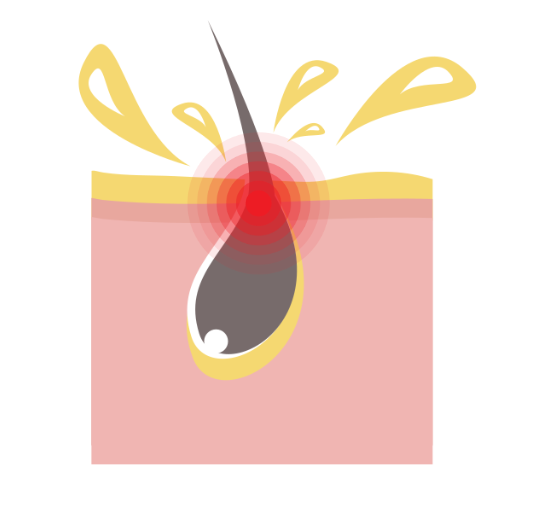
1. Dry silvery scales
2. Patchy hair loss
3. Brittle or dull coat texture
4. Musty skin odor
5. Itching , crusts or secondary skin infection may occur.
1. Night blindness
2. Hesitation in dim light
3. Dilated pupils
4. Increased eye shine or tapetal reflection
5. Progressive daytime vision loss may occur.
1. Lethargy
2. Weight gain
3. Mental dullness
4. Symmetrical non-itchy hair loss
5. Dry coat , cold intolerance or recurrent skin and ear infections may occur.
Signs can appear during rapid growth from about 4 to 12 months or later in life as osteoarthritis develops.
High breed-specific risk is described in the supplied breed-matched text and hip and elbow screening are commonly emphasized for this breed.
It typically appears in young to middle-aged adults and is often noted between 2 and 6 years of age.
Moderate to high breed-specific risk is described and the breed is specifically listed for HUU testing.
It most often presents in young adult to middle-aged dogs and is commonly noted between 1 and 5 years of age.
Moderate breed-specific risk is described and Vizslas are listed among predisposed breeds.
It usually develops in young adulthood to middle age and is often noted between 3 and 6 years of age depending on the genetic line.
Moderate risk is described and breed-level eye screening is repeatedly advised in supplied breed guidance.
It is most common in middle-aged dogs and is often recognized between 3 and 8 years of age.
Moderate risk is described in the supplied breed-matched text although the Merck source discusses the disorder more generally than by breed.
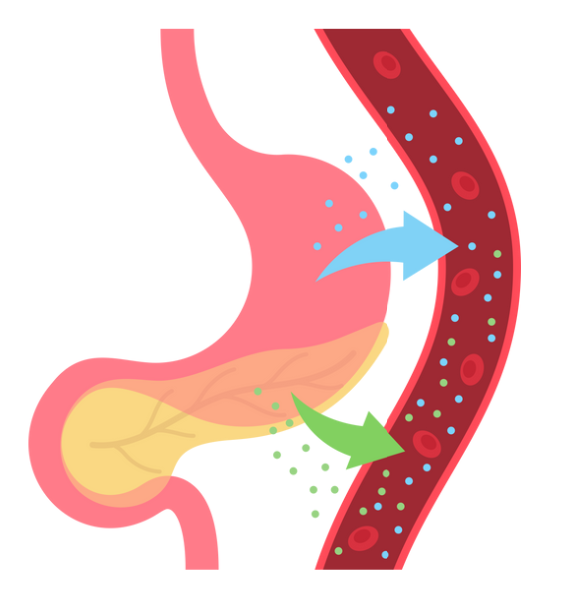
Normal hip joint stability is lacking because the coxofemoral joint forms incorrectly and becomes lax. Cartilage protection may then be lost over time and osteoarthritis can develop. No single chemical deficiency is identified as the direct cause in the supplied texts. Rapid growth , excess calories and improper calcium balance can worsen vulnerability in predisposed dogs.

Protective sebum is lacking because sebaceous glands are attacked and destroyed by an immune-mediated process. This leaves the hair follicles and skin barrier without normal moisturizing lipids. The coat can become brittle and scaling can increase. Secondary infection may become more likely when the barrier is compromised.

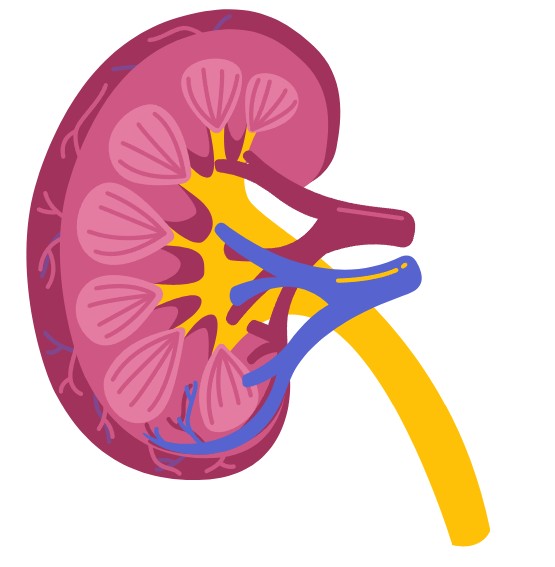
Effective urate transport is lacking because the SLC2A9 mutation disrupts normal handling of uric acid. The supplied text also describes failure to properly convert purine waste toward normal allantoin-dominant excretion in affected dogs. This leaves excess uric acid in the urine. The high uric acid environment can promote bladder or kidney stone formation and urinary obstruction.
Functional retinal photoreceptor cells are progressively lacking because rods and cones degenerate over time. Rod support for night vision is lost first in true PRA and cones are affected later. No nutrient deficiency is identified as the direct cause because inherited retinal degeneration is the core problem. Progressive cellular loss can culminate in complete blindness.

+852 6358 3131
香港中環德輔道中84-86號章記大廈9樓01室
週一到週日,早上10點到下午9點
 +852 9160 8619
 +852 9160 8619