我們的服務
寵物護理服務
獸醫服務
其他
Length range : 58-69 cm
Height range : 43-51cm
Weight range : 14-20kg
Coat : short weather-resistant coat|dense undercoat in many dogs|coat types include short|smooth|rough
Life expectancy years : 10-14
Colors: black|black and white|blue|brown|fawn|red|chocolate|varied historical colors.
Activitity Level : High
Origin: Australia
Similar Breeds : Australian Kelpie|Border Collie|Australian Cattle Dog
The breed developed in Australia in the late 19th century from imported British working Collies with later influence from cattle dogs and possibly dingoes. It remained focused on practical herding ability rather than conformation and can be traced back to foundational dogs such as Kelpie and Moss.
alert|eager|open|friendly|active|devoted to work|able to relax with enough outlet
extremely alert|eager|highly intelligent|loyal|active|friendly|placid when fulfilled|hardworking
substantial daily exercise|mental work|job-oriented activities|secure fencing|early socialization|regular brushing
bonds strongly with family and handlers|generally integrates well with people when socialized|needs structured interaction and may chase or herd smaller animals
Brush weekly and more often during seasonal shedding. Bathing is usually only needed a few times a year and the hair between foot pads may need trimming. Check nails regularly because not all dogs wear them down evenly.
Feed a high-quality diet appropriate for life stage and workload with careful portion control to maintain a lean body condition. Puppies need structured growth feeding and adults often do well on measured meals divided two to three times daily depending on activity.
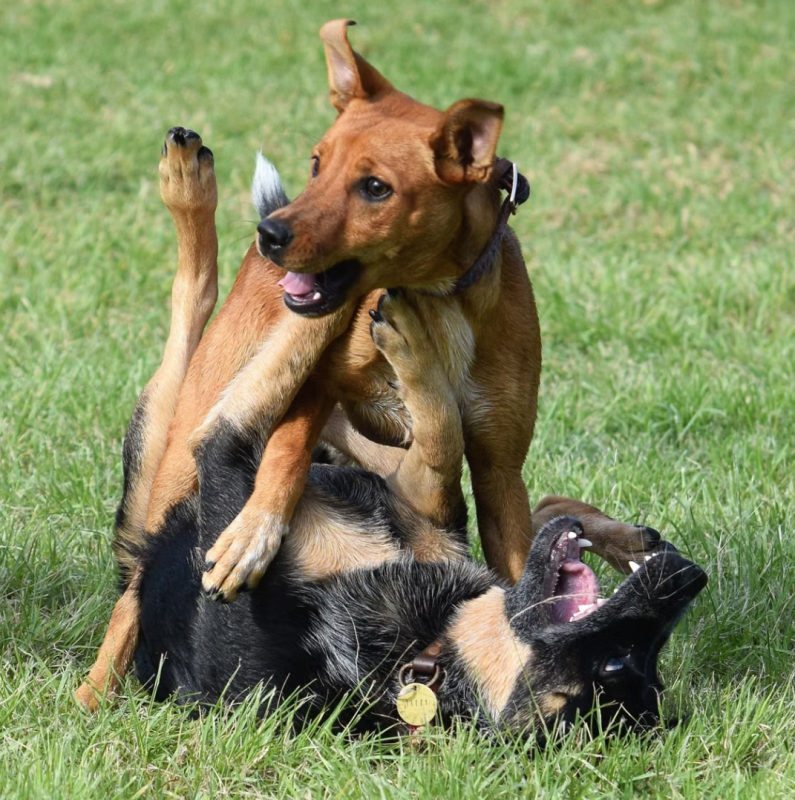
medium-sized active strong and lithe build|pricked wide-spaced ears|keen expression|strong work ethic|balance of keenness to work and ability to relax
The Working Kelpie is closely tied to Australian stock work and was shaped more by performance than by a fixed show look. Many individuals can vary in appearance yet still retain the breed’s hallmark intelligence , stamina and herding instinct.
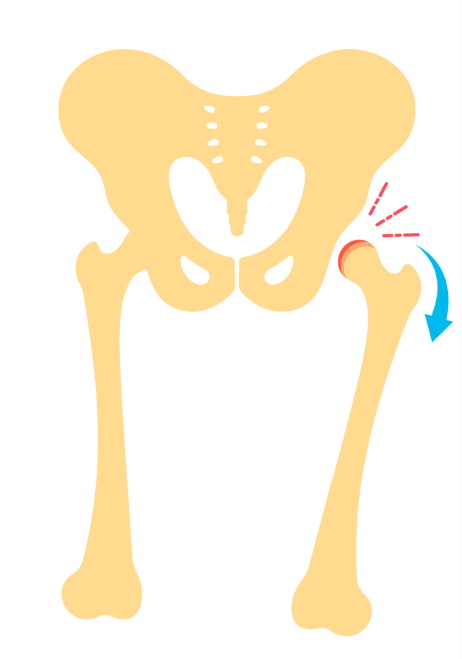
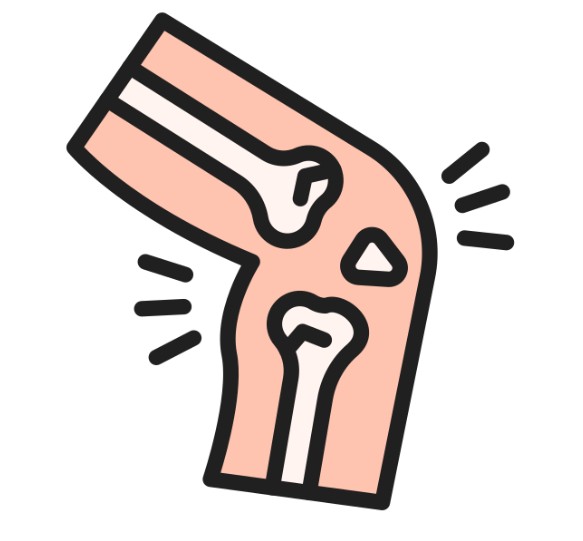
Cerebellar Abiotrophy, Canine Hip Dysplasia, Progressive Retinal Atrophy, Luxating Patella, Hypothyroidism
1. Tremors especially head tremors
2. Uncoordinated or jerky movement
3. Wide-based stance
4. High-stepping gait
5. Frequent falling or difficulty with obstacles may occur.
1. Bunny-hopping gait
2. Difficulty or stiffness when rising
3. Reluctance to run , turn sharply or jump
4. Hind-limb muscle loss
5. Hip pain or limping may occur.
1. Night blindness
2. Hesitation in dim environments
3. Dilated pupils
4. Increased eye shine or reflective eyes
5. Eventual daytime vision loss may occur.
1. Intermittent skipping gait
2. Sudden hopping on three legs
3. Knee popping or cracking sounds
4. Stiffness
5. Temporary lameness may occur.
1. Weight gain
2. Lethargy
3. Reduced stamina
4. Symmetrical non-itchy hair loss
5. Dry coat , cold intolerance or recurrent skin infections may occur.
Signs are usually noticed in young puppies between 6 and 16 weeks of age although some forms can emerge later and adult onset has been described in some dogs.
Moderate to high breed-specific risk is described and multiple supplied breed sources identify it as a key inherited concern with DNA testing emphasized for breeding stock.
It typically becomes noticeable between 4 and 12 months of age although mild cases may remain undiagnosed until adulthood.
Moderate risk is described in the supplied breed-matched external health text although general-source evidence focuses on hereditary predisposition rather than Working Kelpie-specific frequency.
It most commonly emerges in middle-aged dogs and is often recognized between 4 and 9 years of age.
Moderate risk is described in the supplied breed-matched external health text while breed-page screening advice also mentions thyroid testing.
Signs can appear during rapid growth from about 4 to 12 months or later in life as osteoarthritis develops.
Low to moderate risk is described in supplied breed sources although screening is still recommended and external text describes moderate to high concern in working dogs.
It typically begins in young adulthood to middle age and is often recognized between 3 and 6 years of age depending on the mutation line.
Low to moderate risk is described in supplied breed sources and eye screening is recommended.
Normal Purkinje neuron function is lacking because these cerebellar cells degenerate prematurely and progressively. This inherited failure disrupts coordination and balance control. No nutritional deficiency is identified as the direct cause in the supplied texts. The cellular loss can make movement increasingly unstable over time.

Functional retinal photoreceptor cells are progressively lacking because rods and cones degenerate over time. Rod support for night vision is lost first in true PRA and cone loss follows as the disease advances. No nutrient deficiency is identified as the direct cause because inherited retinal degeneration is the core problem. Progressive cellular loss can culminate in complete blindness.

Normal hip joint stability is lacking because the coxofemoral joint develops incorrectly and becomes lax. Cartilage protection may then be lost and osteoarthritis can develop. No single chemical deficiency is identified as the direct cause in the supplied texts. Rapid growth , excess strain and improper developmental balance can worsen vulnerability in predisposed dogs.
Normal patellar tracking stability is lacking because the kneecap no longer stays centered within the trochlear groove. The supplied text links this to abnormal alignment of the quadriceps mechanism and shallow groove structure rather than a chemical deficiency. Joint congruity is reduced during motion. This can increase instability , intermittent lameness and long-term arthritis risk.
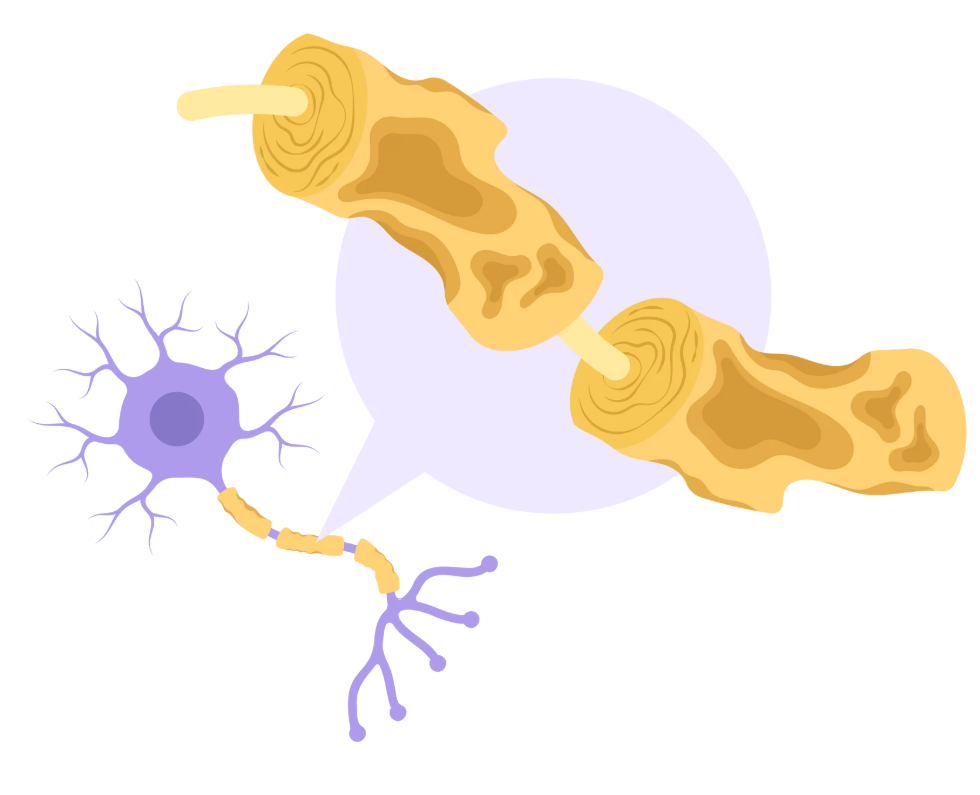
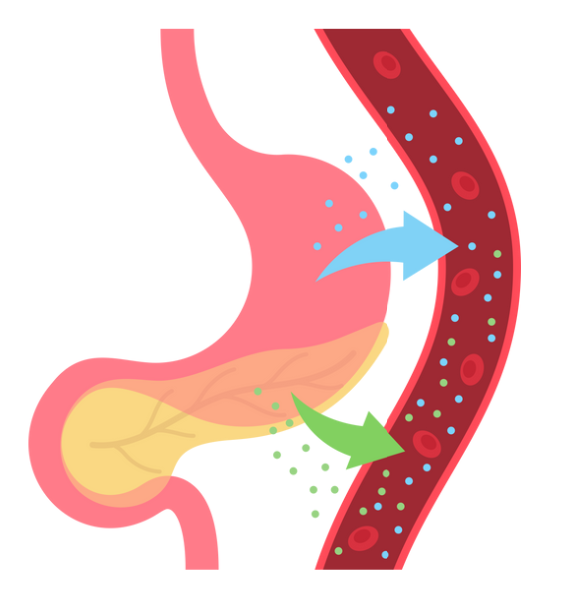
Thyroid hormones are lacking because the thyroid gland is progressively destroyed or replaced by fat in most canine cases. This loss of functional thyroid tissue reduces metabolic drive throughout the body. The supplied texts do not identify a nutrient deficiency as the main cause in ordinary canine cases. Reduced hormone availability can contribute to lethargy , weight gain and coat change.

+852 6358 3131
香港中環德輔道中84-86號章記大廈9樓01室
週一到週日,早上10點到下午9點
 +852 9160 8619
 +852 9160 8619