我們的服務
寵物護理服務
獸醫服務
其他
Length range : 58-74 cm
Height range : 25-60cm
Weight range : 7-25kg
Coat : hairless or short coated|hairless skin may have coarse hair on head , feet and tail|coated variety has short smooth thin fur
Life expectancy years : 13-18
Colors: black|bronze|gray|slate|red|liver|blue|yellow-blonde|palomino|brown|with possible white spots or markings.
Activitity Level : Moderate
Origin: Mexico
Similar Breeds : Peruvian Inca Orchid|Chinese Crested|American Hairless Terrier
The Xoloitzcuintli has roots going back more than 3000 years in Mexico and Central America and is tied to Aztec , Mayan , Toltec , Zapotec and Colima cultures. Its name comes from the Aztec god Xolotl and the breed was believed to guide souls and possess healing powers. The breed survived near extinction and later revived as a national cultural icon of Mexico.
calm|loyal|alert|intelligent|even-tempered|friendly
calm|loyal|alert|intelligent|cheerful|gentle|even-tempered|affectionate
consistent skin care|moderate daily exercise|positive structured training|sun and cold protection|dental care|measured feeding
bonds closely with family|can do well with children and other dogs|often wary of strangers|prefers company and may struggle if left alone too long
Hairless Xolos need regular skin attention with occasional or every few weeks bathing using gentle products followed by dog-safe moisturizer or lotion. Wipe skin with a damp cloth between baths to clear oil and dead cells and use sunscreen outdoors. Coated Xolos need minimal brushing plus nail trims , ear cleaning and dental care.
Feed a high-quality balanced food appropriate for size and life stage and keep portions measured on a regular schedule. Puppies should eat at least three times daily and adults are commonly fed twice daily. Fresh water should always be available and weight should be monitored closely because the breed can be food-motivated.
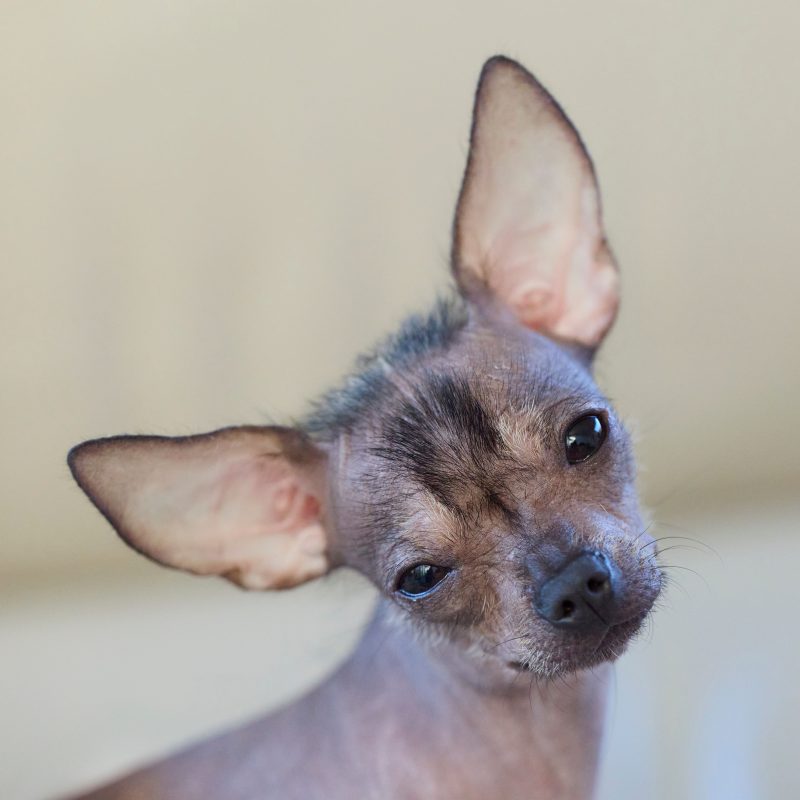
Companion or watchdog type ancient Mexican breed|three sizes|hairless and coated varieties
The Xoloitzcuintli is considered the official dog of Mexico and its name comes from the Aztec god Xolotl. Hairless individuals often feel warm to the touch and were historically believed to have healing powers.
Canine Ectodermal Dysplasia, Luxating Patella, Atopic Dermatitis and Skin Acne, Canine Hip Dysplasia, Progressive Retinal Atrophy
1. Missing premolars or other teeth , misshapen teeth , dry sensitive skin , sunburn , acne and skin abrasions may occur.
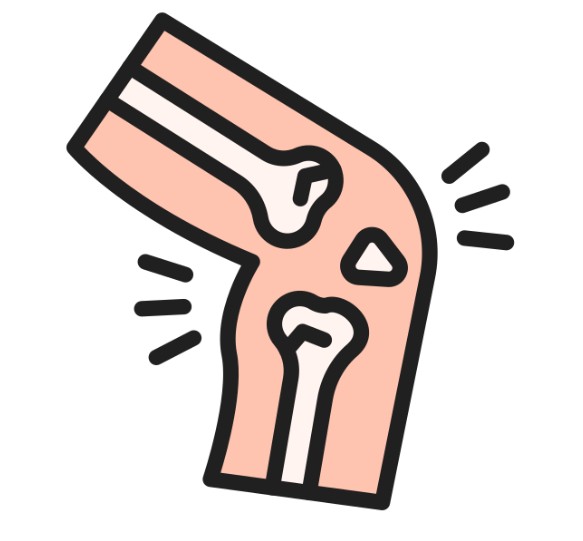
1. Intermittent skipping gait , sudden hopping on three legs , knee popping , stiffness and reluctance to jump or climb may occur.
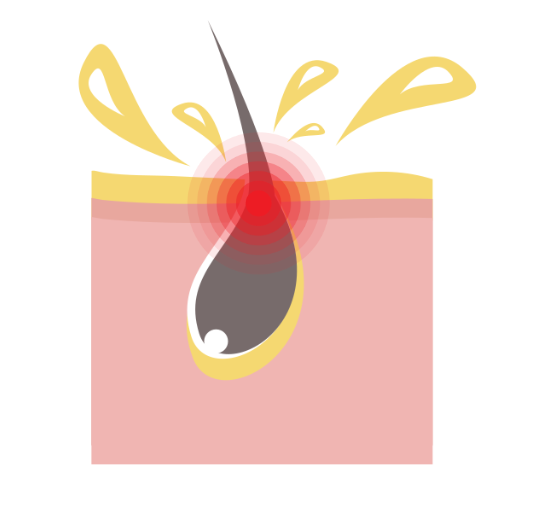
1. Redness , blackheads , pustules , scratching , licking paws , hyperpigmentation , scarring and irritation may occur.
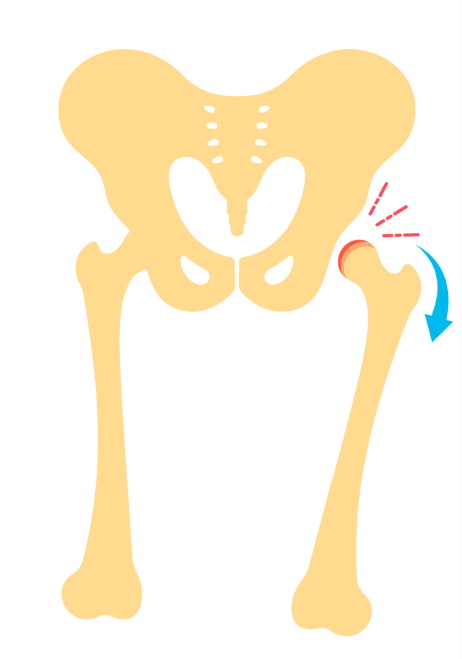
1. Bunny-hopping , stiffness when rising , trouble with stairs , limping , hip pain and hind-limb muscle loss may occur.
1. Night blindness , hesitation in dim light , dilated pupils , increased eye shine and eventual daytime vision loss may occur.
Hairlessness and missing dentition are visible from birth and changes continue through early development as teeth erupt.
High breed-specific risk is described in hairless dogs and missing teeth are a common normal trait linked to hairlessness.
Acne is especially common in adolescence or puppies 12 months old or less and atopic skin disease typically manifests between 1 and 3 years of age.
High risk is described because exposed hairless skin lacks a protective fur barrier and acne is commonly noted in the breed.
Signs typically become noticeable between 4 and 12 months of age though mild grades may remain unnoticed until adulthood.
Moderate to high risk is described especially in toy and miniature varieties.
It can present during rapid growth between 4 and 12 months or appear later as osteoarthritis in mature adulthood.
Moderate risk is described and is mainly associated with the standard size variety or developing dogs with orthopedic predisposition.
It typically presents from young adulthood to middle age around 3 to 6 years of age depending on the mutation line.
Moderate risk is described for inherited lines with autosomal recessive mutations.
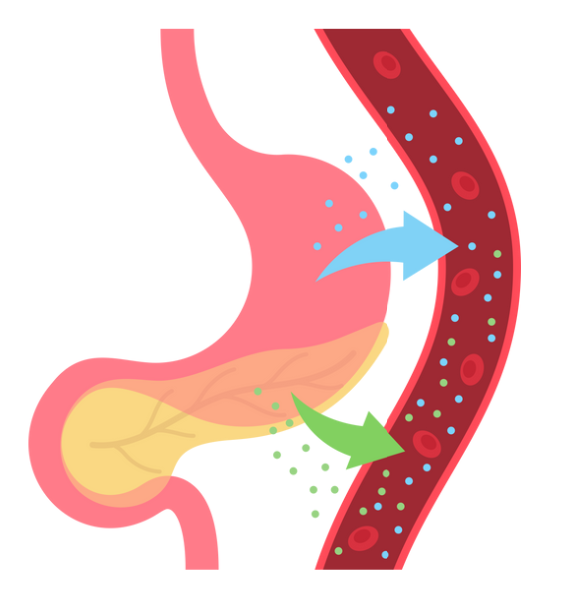
Protective hair and normal ectodermal development are lacking because a FOXI3-linked hairless mutation affects skin glands and tooth buds. This leaves exposed skin more vulnerable to dryness , abrasions and sun injury. Normal premolar development may also be lacking from birth. The provided texts describe a genetic developmental deficit rather than a simple dietary lack.

A protective fur barrier and strong epidermal barrier function may be lacking in hairless skin. This can make pores more vulnerable to clogging and the skin more vulnerable to environmental allergens , irritation and secondary folliculitis. Omega-3 support is described as helping the skin lipid barrier and inflammation control. The texts frame this as barrier weakness plus allergen exposure rather than a single missing compound.

No specific nutrient deficiency is explicitly described in the provided text. Normal kneecap stability is lacking because the quadriceps alignment , trochlear depth or tibial alignment develops abnormally. This can allow the patella to slip and may increase wear on the joint over time. The condition is developmental and orthopedic rather than a deficiency disease.
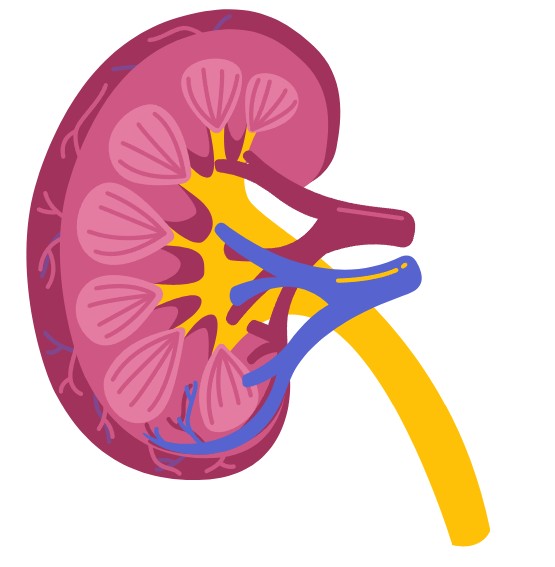
Normal hip joint congruity and stability are lacking because the coxofemoral joint develops abnormally and remains lax. Cartilage support may be lost over time which can lead to degeneration and arthritis. The sources also state improper dietary balance and rapid growth may worsen expression in predisposed dogs. This is a polygenic structural disorder rather than a single chemical deficiency.

+852 6358 3131
香港中環德輔道中84-86號章記大廈9樓01室
週一到週日,早上10點到下午9點
 +852 9160 8619
 +852 9160 8619