我們的服務
寵物護理服務
獸醫服務
其他
Length range : 81-91 cm
Height range : 53-58cm
Weight range : 18-25kg
Coat : double coat|dense downy undercoat|long coarse weather-resistant topcoat
Life expectancy years : 10-12
Colors: white with patches of any color|bicolor|tricolor|white and black|pied|gray|red|black.
Activitity Level : High
Origin: Russia
Similar Breeds : Siberian Husky|Samoyed|East Siberian Laika
The breed comes from the Yakutia region of Russia and has served local people for centuries as an indispensable multipurpose dog. Historical accounts describe use in hunting , herding , sledding , guarding and mail hauling across harsh Siberian terrain. Numbers declined with mechanization and the breed neared extinction before preservation and registration efforts revived it in the 1990s and 2000s. The AKC later accepted it into the Foundation Stock Service and the CKC lists it in the Working Group as a Listed breed.
intelligent|active|loyal
faithful|versatile|active|intelligent|loyal|gentle|determined|empathetic
ample daily exercise|mental stimulation|human companionship|cold-weather appropriate management|regular coat care|safe fencing or supervision
strong need for human contact|generally social with people when well socialized|can live with other dogs and sometimes cats with proper socialization|good with children but exuberance should be supervised
Brush weekly most of the year and more often during seasonal shedding , sometimes daily during heavy coat drop. Use regular coat maintenance tools and do not shave the coat. Trim nails , clean ears weekly and keep feet tidy between pads when needed. The coat is relatively odor free and repels dirt.
Feed a high-quality diet matched to age , activity and body condition. Active dogs may need protein- and fat-rich nutrition and meals are often divided into two portions daily. Maintain healthy weight and allow relaxation before and after meals because bloat risk is a concern. Fresh water and climate-appropriate hydration are important.
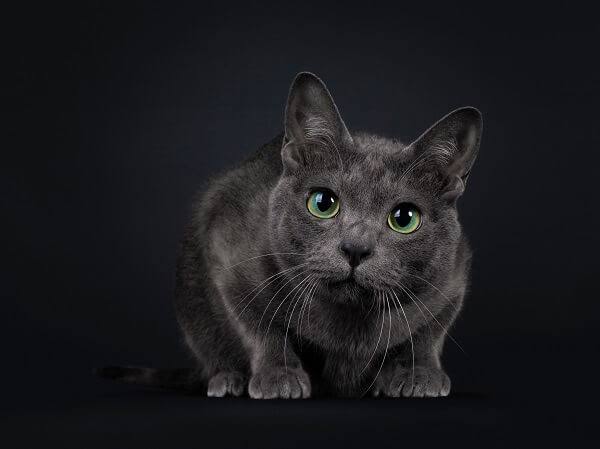
AKC Foundation Stock Service|CKC Working Group Listed breed|Miscellaneous Class
The Yakutian Laika was used for mail hauling in Siberia and nearly disappeared before modern preservation efforts revived it. It is known for being a four-purpose northern dog: hunter , hauler , herder and home companion.
Hip Dysplasia, Congenital Hereditary Sensorineural Deafness, Progressive Retinal Atrophy, Cataracts, Gastric Dilatation-Volvulus
1. Bunny-hopping gait , stiffness when rising , reluctance to climb stairs or run , hind-limb muscle atrophy and hip pain may occur.
1. Unresponsiveness to verbal cues or auditory stimuli , heavy sleeping , loud vocalizations and disorientation when approached from behind may occur.
1. Night blindness , hesitation in dim light , dilated pupils with increased tapetal reflection and eventual daytime vision loss may occur.
1. Cloudy or bluish-white eye appearance , bumping into objects , hesitancy in dim environments and depth perception changes may occur.
1. Unproductive retching , restlessness , excessive salivation , abdominal distension , severe abdominal pain and rapid shock may occur.
It may present during rapid growth at 4 and 12 months or later as osteoarthritis in mature working dogs.
Moderate to High Risk.
It is congenital and may be clinically detectable once the ear canals open at 3 to 4 weeks of age.
Moderate breed-specific risk and it is frequently associated with piebald , white coat pigmentation and blue-eyed phenotypes.
It typically presents in young adulthood to middle age at about 3 to 6 years depending on the mutation line.
Moderate Risk.
Juvenile inherited forms can present between 1 and 4 years while senile cataracts may appear in mature to senior dogs.
Moderate Risk.
It can occur acutely at any age and may be seen more often in adult to senior deep-chested working dogs.
Moderate Risk due to athletic , deep-chested conformation.
Proper joint stability is lacking because the coxofemoral joint develops abnormally and remains lax. Protective cartilage integrity can then be lost over time which can lead to degeneration and secondary joint disease. The provided text also links worsening risk to improper dietary calcium and calorie ratios. Rapid weight gain and high-impact stress can further increase vulnerability.

Normal retinal rod and cone cell integrity is lacking because inherited mutations cause abnormal cellular degeneration. Night vision support is lost first in many affected dogs. Day vision may decline afterward as degeneration progresses. The sources do not describe a nutrient deficiency as the cause.

The stria vascularis in the inner ear may be absent or may degenerate. This means normal support for auditory hair cells is lacking and hearing structures may atrophy. The condition is linked to pigmentation-associated genetic pathways. Structural hearing function can therefore be partially or totally lost.
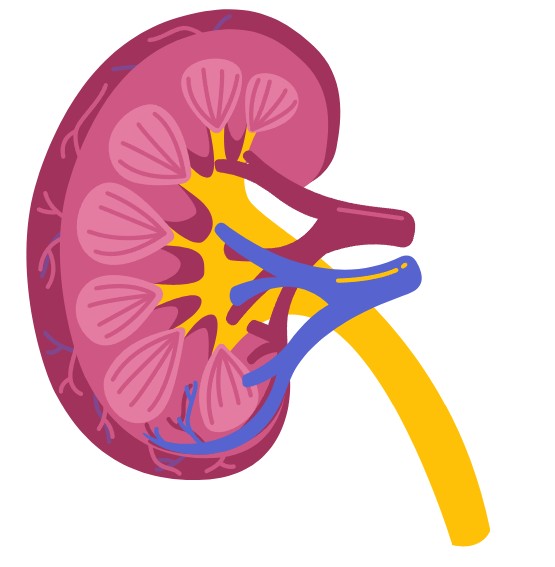
Normal lens transparency is lacking when lens fibers become opaque. This blocks light transmission to the retina and can reduce visual clarity. The sources link this to inherited mutations , trauma or chronic intraocular inflammation rather than a nutrient lack. Oxidative stress within ocular tissues is mentioned in supplement context only.

+852 6358 3131
香港中環德輔道中84-86號章記大廈9樓01室
週一到週日,早上10點到下午9點
 +852 9160 8619
 +852 9160 8619