我們的服務
寵物護理服務
獸醫服務
其他
Length range : 30-39 cm
Height range : 18-23cm
Weight range : 1.8-5.4kg
Coat : long silky single coat|hair-like coat|straight glossy coat
Life expectancy years : 11-15
Colors: blue and tan|dark steel-blue and golden tan|black and tan as puppies.
Activitity Level : Moderate
Origin: United Kingdom
Similar Breeds : Silky Terrier|Australian Terrier|Maltese
Yorkies were developed in 19th-century Yorkshire , England from small terriers brought by Scottish weavers during the Industrial Revolution. They earned their keep catching rats in mills and mines before becoming fashionable Victorian companion dogs and later one of the world’s best-known toy breeds.
feisty|affectionate|confident
feisty|affectionate|playful|bossy|brave|confident|loyal
daily grooming|mental stimulation|routine dental care|cold-weather protection|supervised handling with small children
forms close attachments to family|often friendly with strangers|can live with other pets with supervision|prefers company and attention
Yorkies need frequent coat care. Full-length coats may need daily brushing and combing while short puppy cuts often need weekly brushing and professional grooming every 6 to 8 weeks. Regular baths , nail trims , ear checks , tear stain care and daily tooth brushing are important.
Feed a complete and balanced small-breed diet appropriate for life stage. Puppies may need frequent small meals and adults often do well with two to three meals daily. Some dogs may benefit from omega-3 fatty acids and dental-focused diets. Avoid excessive treats and protect toy puppies from fasting-related low blood sugar.
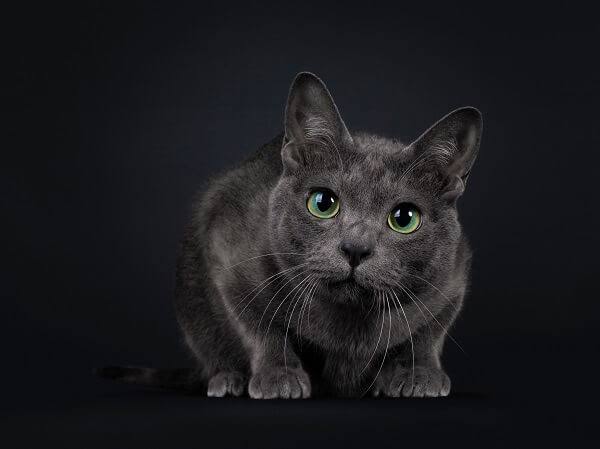
Toy breed|small compact body|silky straight coat|pricked ears|dark sparkling eyes
Yorkies once worked as ratters in mills and mines before becoming fashionable Victorian lapdogs. Smoky , a Yorkshire Terrier , became a World War II hero by running messages through a narrow culvert.
Luxating Patella, Tracheal Collapse, Congenital Portosystemic Shunt, Hypoglycemia, Dental Disease
1. Intermittent skipping gait , sudden hopping on three legs , audible popping , stiffness and reluctance to jump or climb may occur.
1. Harsh dry goose-honk cough , exercise intolerance , wheezing , breathing distress , gagging , cyanosis during excitement and fainting may occur.
1. Poor growth , small stature , lethargy , head pressing , disorientation , seizures , temporary blindness , vomiting , increased thirst and urination and drooling may occur.
1. Sudden weakness , lethargy , glassy or disoriented eyes , wobbly gait , shivering , tremors , pale gums , seizures and loss of consciousness may occur.
1. Severe halitosis , visible brown or yellow calculus , bleeding or swollen gums , loose or missing teeth , difficulty chewing and nasal discharge may occur.
It typically becomes noticeable between 4 and 12 months of age although mild grades may go undiagnosed until adulthood.
High breed-specific risk.
It is most commonly observed in middle-aged to senior dogs usually between 4 and 8 years of age.
High breed-specific risk.
It usually presents in young dogs between 6 months and 2 years of age and may worsen after high-protein meals.
High breed-specific risk and Yorkshire Terriers are described as one of the highest predisposed breeds.
It is most prevalent in puppies under 4 months of age although it can also occur in toy adults during stress , fasting or exertion.
High risk in toy puppies.
It can begin as early as 1 to 3 years of age and may progressively worsen without routine care.
High breed-specific risk.
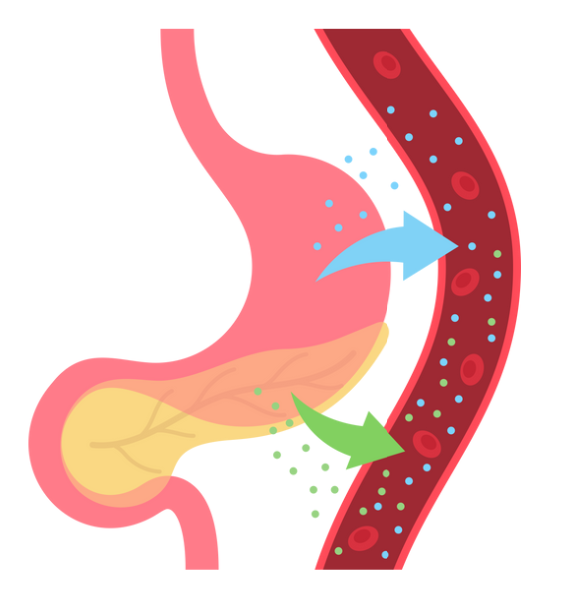
Normal alignment of the quadriceps mechanism may be lacking and the femoral trochlear groove may be too shallow. Structural support is reduced further when the tibial tuberosity is displaced medially. This lack of stable tracking can make the kneecap slip from position and alter gait. The provided text links the problem to inherited toy-breed conformation rather than a nutrient deficiency.

Proper liver filtration support is lacking because portal blood bypasses the liver through an abnormal vessel. Critical protein synthesis and toxin clearance can therefore be reduced. This can leave the body more vulnerable to metabolic toxin buildup including ammonia-related effects. The provided text describes a vascular malformation rather than a dietary deficiency.

Tracheal cartilage glycosaminoglycans and chondroitin sulfate may be lacking. This can reduce structural rigidity in the C-shaped cartilage rings and allow the airway to flatten during respiration. The weakened support may make breathing more difficult and may contribute to cough and collapse. The provided text links this to a genetic cartilage deficiency.
Blood glucose availability may be lacking during an episode of hypoglycemia. Minimal fat reserves , immature glycogen storage and limited gluconeogenesis can leave puppies without adequate energy support. This can make brain tissue and vital organs vulnerable to weakness , tremors and seizures. The provided text describes an energy deficit rather than a missing nutrient in the diet.

+852 6358 3131
香港中環德輔道中84-86號章記大廈9樓01室
週一到週日,早上10點到下午9點
 +852 9160 8619
 +852 9160 8619