我們的服務
寵物護理服務
獸醫服務
其他
Length range : 81-91 cm
Height range : 61-71cm
Weight range : 23-34kg
Coat : Long|silky|thick on forequarters and hindquarters|short glossy saddle and face in adults
Life expectancy years : 12-14
Colors: black|black-and-tan|red|cream|blue|brindle|domino|white|any color except spotted.
Activitity Level : Average
Origin: Afghanistan|Pakistan|northern India
Similar Breeds : Saluki|Borzoi|Irish Setter
First bred thousands of years ago by nomadic peoples of Afghanistan , Pakistan and northern India , later brought to England by British soldiers in the 19th century , recognized by the American Kennel Club in 1926 , now also kept as a show dog and companion.
Aloof , dignified , loyal , sensitive , affectionate with family , reserved with strangers , playful yet independent-minded.
aloof|dignified|loyal|sensitive|affectionate with family|playful|independent|intelligent|self-confident|strong-willed
Low
Moderate
High-maintenance grooming , weekly baths and brushing are advised to prevent tangling and matting , regular coat care is essential , seasonal and post-illness shedding may occur.
High-quality dog food suited to age is advised , Afghan Hounds are naturally svelte and protruding hipbones are a breed trait , good nutrition should support athletic needs , vegetable oil may help skin and coat , fresh water should always be available.
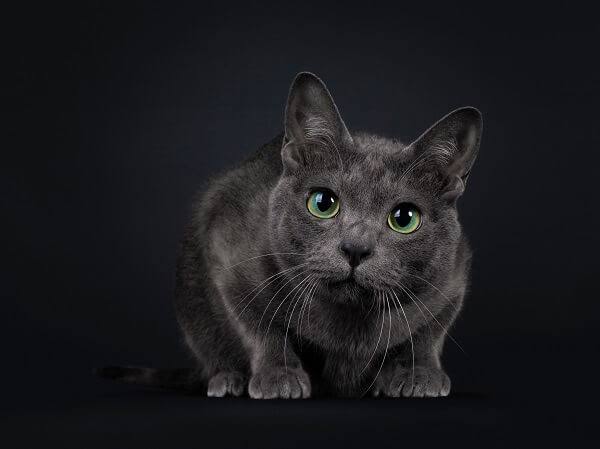
Large dolichocephalic sighthound with naturally floppy ears , long silky coat , withers about 61-71 cm , body length about 81-91 cm , weight about 23-34 kg , proud carriage and elastic powerful stride.
Pablo Picasso owned an Afghan Hound named Kabul and featured the breed in some of his paintings.
Gastric dilatation-volvulus, Chylothorax, Hypothyroidism, Juvenile hereditary cataracts, Periodontal disease
1. The text indicates nonproductive retching , hypersalivation , restlessness , abdominal pain , progressive abdominal distention , drooling , weakness , collapse , pale gums , dyspnea and shock signs might occur.
2. Cardiac arrhythmias and respiratory distress may occur
1. The content suggests non-productive cough , breathing difficulty , lethargy , appetite loss , weight loss and reduced exercise tolerance might occur.
2. Muffled heart and lung sounds may be present
1. The text indicates weight gain without increased appetite , lethargy , reduced desire to exercise , cold intolerance , dry dull hair , hair thinning , dark skin pigmentation , skin and ear infections , slow heart rate and neurologic changes might occur
1. The content suggests cloudy or white lens appearance , bumping into objects , losing direction , slow movement , distant stare and visual impairment might occur.
2. Uveitis , glaucoma and lens luxation may occur
1. The text indicates halitosis , excessive salivation , blood in saliva , dysphagia , pain on mastication , difficulty eating , loose teeth , gingival bleeding , recession and plaque or calculus might occur. Ask professional vets for detailed information.
1. The condition is acute and rapidly progressive.
2. Risk appears to increase with advancing age and may be more common after maturity
1. large , giant , deep-chested , older , related dogs are at increased risk.
2. Afghan Hounds may have high breed risk
1. Onset timing is not specific in the source.
2. Signs may develop as pleural fluid accumulates over time
1. Relatively uncommon overall.
2. Afghan Hounds are more prone and may be overrepresented for idiopathic cases
1. Generally affects middle-aged dogs with an average around 6-7 years , and the breed-linked text suggests middle age around 4-10 years may be typical
1. One of the most common endocrine diseases in dogs.
2. Afghan Hounds may have moderate to high breed risk
1. The condition is hereditary and moderate breed risk , especially in untested lines
1. Plaque begins forming within minutes on a clean tooth surface.
2. The great majority of dogs over 3 years may have disease warranting intervention
1. the great majority of dogs over 3 years may have some degree warranting intervention
1. This is not described as a chemical deficiency.
2. It is a multifactorial mechanical and circulatory emergency

1. The lacking substance may be thyroid hormone , especially thyroxine.
2. Common causes may include lymphocytic thyroiditis or idiopathic thyroid gland atrophy rather than daily nutrient lack

1. This is not a primary chemical deficiency.
2. The text indicates loss of chyle may involve protein , white blood cells and vitamins , and breed-linked content suggests fats and fat-soluble vitamins may be lost secondarily
1. This is caused by mutation in the HSF4 gene and is not a nutritional deficiency

+852 6358 3131
香港中環德輔道中84-86號章記大廈9樓01室
週一到週日,早上10點到下午9點
 +852 9160 8619
 +852 9160 8619