我們的服務
寵物護理服務
獸醫服務
其他
Length range : 51-61 cm
Height range : 23-33cm
Weight range : 3.6-6.8kg
Coat : Short coat|dense / extremely soft|dramatic striped and glittered pelt
Life expectancy years : 9-15
Colors: brown mackerel tabby|orange coat with dark stripes|tan|chocolate|brown|sable|tabby pattern.
Activitity Level : High
Origin: Myanmar
Similar Breeds : Bengal|Egyptian Mau|Savannah Cat|Australian Mist Cat|Ocicat
The breed was developed in the late 1980s by Judy Sugden using domestic shorthair and Bengal foundation cats. Key cats named in the sources include Scrapmetal , Millwood Rumpled Spotskin , Millwood Sharp Shooter and Jammu Blu. TICA accepted the Toyger for registration in 1993 and it later gained championship recognition in 2007. Purina also notes recognition by the GCCF in June 2016.
Affectionate
Affectionate|friendly|outgoing|intelligent|interactive|laid-back|playful|calm|easy to train|family friendly|sociable
Needs high-level enrichment , puzzle toys , climbing structures , dependable interaction and a secure outdoor run or enclosed garden if given outdoor access
Toygers are sociable and dependent , enjoy people , can live well with respectful children and other pets , and do not cope well with being left alone for long periods
Grooming is relatively simple. Sources suggest weekly brushing or a grooming glove several times a week with more frequent brushing during shedding. Regular nail trims , ear checks , tooth brushing and parasite checks are also advised.
Toygers need a quality balanced diet with fresh water always available. Feeding should support ideal body condition and avoid obesity. Sources mention wet or dry food can be used and portion control matters.
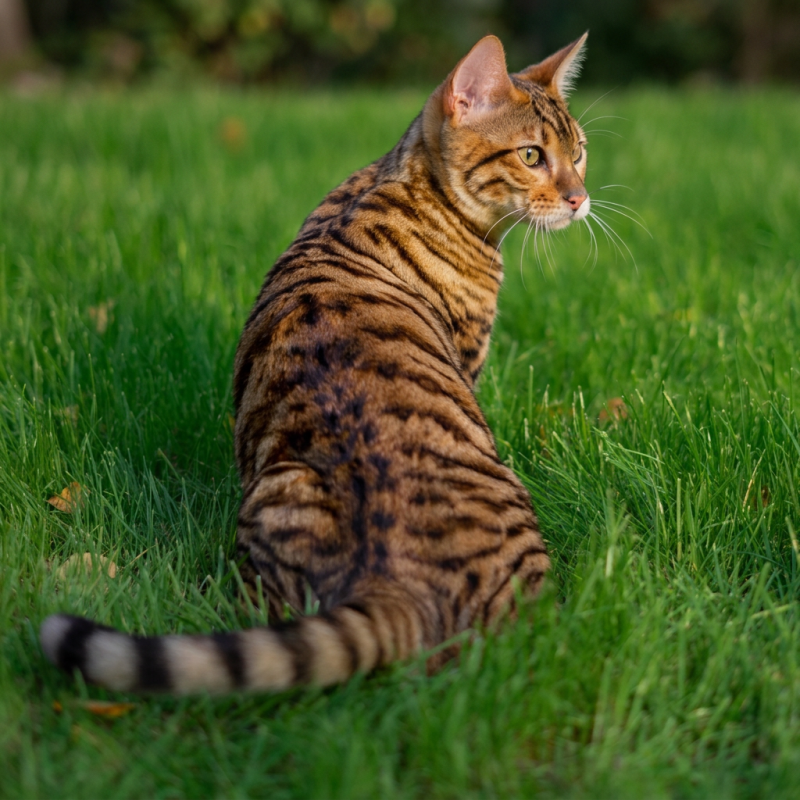
The Toyger is a loving , glittered , medium-sized domestic shorthair companion cat bred for tiger-like pattern , confidence and movement. Desired traits include dependable quiet temperament , laid-back personality , intelligence , trainability , athletic ability , stately movement , excellent health and longevity.
There is no tiger blood in the Toyger even though it was designed to resemble a miniature tiger.
Hypertrophic cardiomyopathy, Digestive sensitivity and inflammatory bowel disease, Pyruvate kinase deficiency, Feline dental disease, Progressive retinal atrophy
1. Heart murmur or gallop rhythm , increased resting respiratory rate , lethargy and laboured breathing may occur.
2. Open-mouth breathing , panting and sudden hind-limb paralysis might appear in severe cases.
1. Chronic soft stools or diarrhea , vomiting , flatulence and appetite changes may occur.
2. Weight loss despite a good appetite might be seen with malabsorption.
1. Lethargy , weakness , pale gums , poor appetite and weight loss may occur.
2. Jaundice and enlarged spleen might appear during anemic episodes.
1. Bad breath , red swollen or bleeding gums , yellow-brown tartar , drooling and pawing at the mouth may occur.
2. Difficulty eating , loose teeth , lethargy , weight loss and poor grooming might appear.
1. Night blindness may appear first.
2. Dilated pupils , increased eye shine , clumsiness in dim light and later daylight blindness might occur.
1. Genetic risk is present from birth.
2. A murmur may be detected in young cats while clinical signs often develop in adults around 2 to 8 years.
1. Risk may be moderate to high because Bengal foundation lines are noted as significant.
2. Probability may depend on breeder cardiac screening.
1. Signs can begin in kittenhood.
2. It may become a lifelong management issue.
1. Risk may be high and digestive sensitivity is described as commonly reported.
1. Signs are highly variable.
2. They may appear in kittens or may not be noticed until around 3 to 5 years.
1. Risk may be low if responsible breeder DNA testing is used.
1. Mild gingivitis may start around 1 to 2 years.
2. Significant disease is common by 4 to 5 years without intervention.
1. Risk may be very high.
2. Over 85% of cats over three years may have some form of dental disease.
1. Vision loss may become noticeable in young adults.
2. It often begins around 2 years and may progress over several years.
1. Risk may be low if responsible breeder DNA testing is used.

1. No specific deficiency is indicated although taurine is noted as essential for feline heart muscle function.
1. This is a genetic enzyme defect rather than a nutritional deficiency.
2. B-vitamins , especially B12 and folate , and iron needs may rise during anemia.
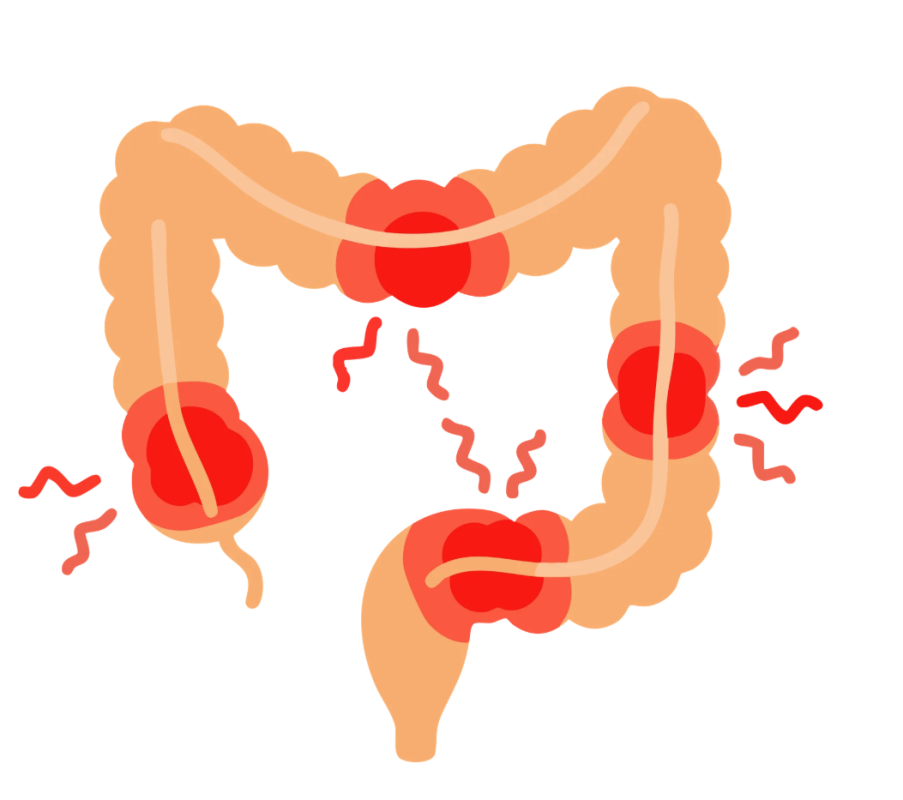
1. Cobalamin vitamin B12 may be lacking with chronic intestinal disease.
2. Lack of appropriate dietary fiber may worsen stool quality.

1. No chemical deficiency is indicated because plaque and inflammation are emphasized.


+852 6358 3131
香港中環德輔道中84-86號章記大廈9樓01室
週一到週日,早上10點到下午9點
 +852 9160 8619
 +852 9160 8619