我們的服務
寵物護理服務
獸醫服務
其他
Length range : 38-46 cm
Height range : 23-33cm
Weight range : 4.5-9.1kg
Coat : Long|semi-longhair|thick|triple|water-repellent coat with coarse-to-soft texture and seasonal density
Life expectancy years : 10-18
Colors: solid|chinchilla|shaded|tabby|smoke|point|bi-color|lynx|white|black|blue|red|cream|golden|silver|colorpoint.
Activitity Level : Moderate
Origin: Russia
Similar Breeds : Norwegian Forest Cat|Maine Coon|Ragdoll|Birman|Japanese Bobtail Long Hair
Recorded history in Russia goes back to around 1000 AD. Siberians appeared in cat shows in the late 1800s and became more widely known outside Russia after exports to Europe and the United States around the end of the Cold War. CFA accepted the breed for registration in 2000 and championship status followed in 2006 or 2007.
Playful
affectionate|loyal|friendly|social|intelligent|curious|easygoing|playful|calm|devoted
Needs enrichment with climbing , jumping , play , hunting-style games , scratching areas and companionship. Secure outdoor-style access or enriched indoor spaces with branches , platforms , tunnels , posts and puzzle feeders may be helpful.
Sociable and affectionate with family , often good with children and other pets. Likes being near people and may follow owners around while still showing some independence.
The thick coat usually needs brushing or combing several times a week and more often during shedding seasons. Check the underside , tail and britches for mats. Regular ear cleaning , tooth care , nail trimming and access to a scratching post are recommended.
Diet should be complete and balanced with attention to life stage , activity and weight control. Fresh water should always be available. Digestible protein , appropriate fat , coat-supporting fatty acids , prebiotics , fiber for hairball control and urinary support are emphasized in the provided sources.
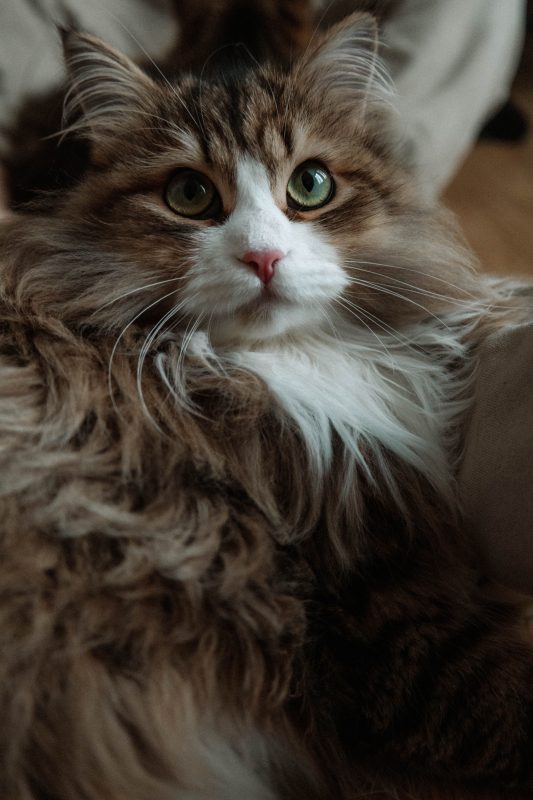
The breed standard describes a medium to medium-large strong triple-coated cat with a rounded overall impression , modified wedge head , rounded muzzle , medium-large ears , almost round expressive eyes , sturdy neck , substantial boning , powerful musculature , slightly arched back and a thick furnished tail. Temperament must be unchallenging.
The Siberian is considered Russia’s native forest cat and appears in folklore and historical writings. It is famed for cold resistance , water-repellent fur and there is a square in Tyumen dedicated to Siberian cats.
Hypertrophic cardiomyopathy, Polycystic kidney disease, Feline dental disease, Hairballs and intestinal blockages, Feline lower urinary tract disease
1. It may be silent at first
2. Heart murmur , lethargy , increased resting respiratory rate , labored or open-mouth breathing and sudden hind leg pain or paralysis from thromboembolism may occur
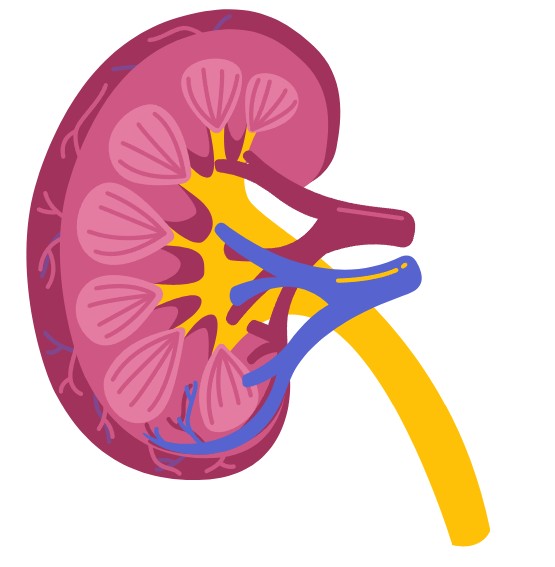
1. Increased thirst and urination , vomiting , nausea , weight loss , muscle wasting , poor appetite , lethargy , weakness and dull coat may occur
1. Bad breath , red swollen or bleeding gums , tartar , drooling , difficulty eating , pawing at the mouth , loose teeth , lethargy and weight loss may occur
1. Frequent gagging , retching , vomiting , lack of appetite , lethargy , constipation and painful or swollen abdomen may occur
1. Straining to urinate , frequent trips to the litter box , crying during urination , blood in urine , genital licking , inappropriate urination and little or no urine may occur
1. Predisposition is present from birth but clinical signs are often diagnosed in adults around 2-8 years
1. Moderate because Siberians are considered an at-risk breed and the breed is among those more prevalent for HCM
1. Cysts are present from birth but signs of kidney failure may not appear until middle to old age often after 7 years
1. Low and the risk is lower than in some other prone breeds though testing is available
1. Mild gingivitis may begin at 1-2 years and more significant disease may appear from about 3 years onward
1. Very high because dental disease is common in cats over 3 years without preventive care
1. May occur after the adult coat develops usually after 1 year and can recur with seasonal shedding
1. High because the long dense coat increases swallowed hair and long-haired breeds are at significantly greater risk
1. Can occur at any age but is often seen in young to middle-aged cats around 2-6 years
1. Moderate because LUTD is common in cats and risk rises with low water intake , limited exercise , indoor living , stress and excess weight

1. This is primarily genetic but taurine is critical for heart muscle function according to the supplied text

1. This is mainly plaque-related rather than deficiency-based
1. As kidney failure progresses potassium and water-soluble B vitamins may become low
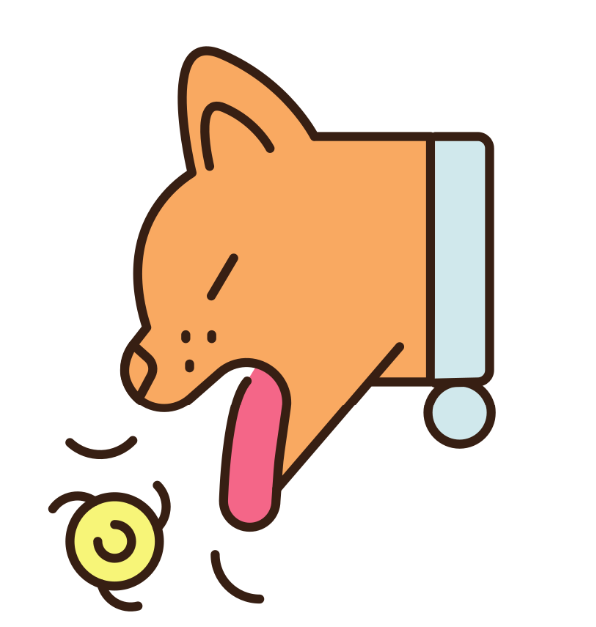
1. The issue is excess ingested hair but limited dietary fiber may make passage harder

+852 6358 3131
香港中環德輔道中84-86號章記大廈9樓01室
週一到週日,早上10點到下午9點
 +852 9160 8619
 +852 9160 8619