我們的服務
寵物護理服務
獸醫服務
其他
Length range : 38-46 cm
Height range : 20-25cm
Weight range : 3-6.8kg
Coat : Short|dense|plush|straight|double coat|soft|silvery blue
Life expectancy years : 15-20
Colors: blue|dark gray tipped with silver|silvery-blue|slate gray.
Activitity Level : Moderate
Origin: Russia
Similar Breeds : Korat|British Shorthair|Oriental Shorthair
The breed is believed to have originated in northern Russia , especially the Archangel Isles or Arkhangelsk area , and may have reached England by ship. It appeared in early English cat shows in the late 1800s , had its own classification by 1912 , and modern lines were developed through English , Scandinavian and later North American breeding.
Playful
friendly|intelligent|reserved with strangers|affectionate|playful|loyal|sweet-tempered|observant|quiet|social
Needs physical and mental stimulation , puzzle toys , interactive play , regular brushing , fresh clean water , regular feeding schedule and possibly a safe outdoor enclosure or secured space.
Affectionate with family and can get along with children and other pets but is often wary of strangers and prefers calmer environments.
Minimal grooming is needed. Combing two or three times a month or weekly brushing is commonly suggested to control shedding and check coat condition while nails , eyes , ears and teeth should be maintained routinely.
The breed has a healthy appetite and should be fed measured meals on a regular schedule to prevent overeating. Fresh clean water should be available daily and ideal body condition should be maintained with appropriate nutrition.
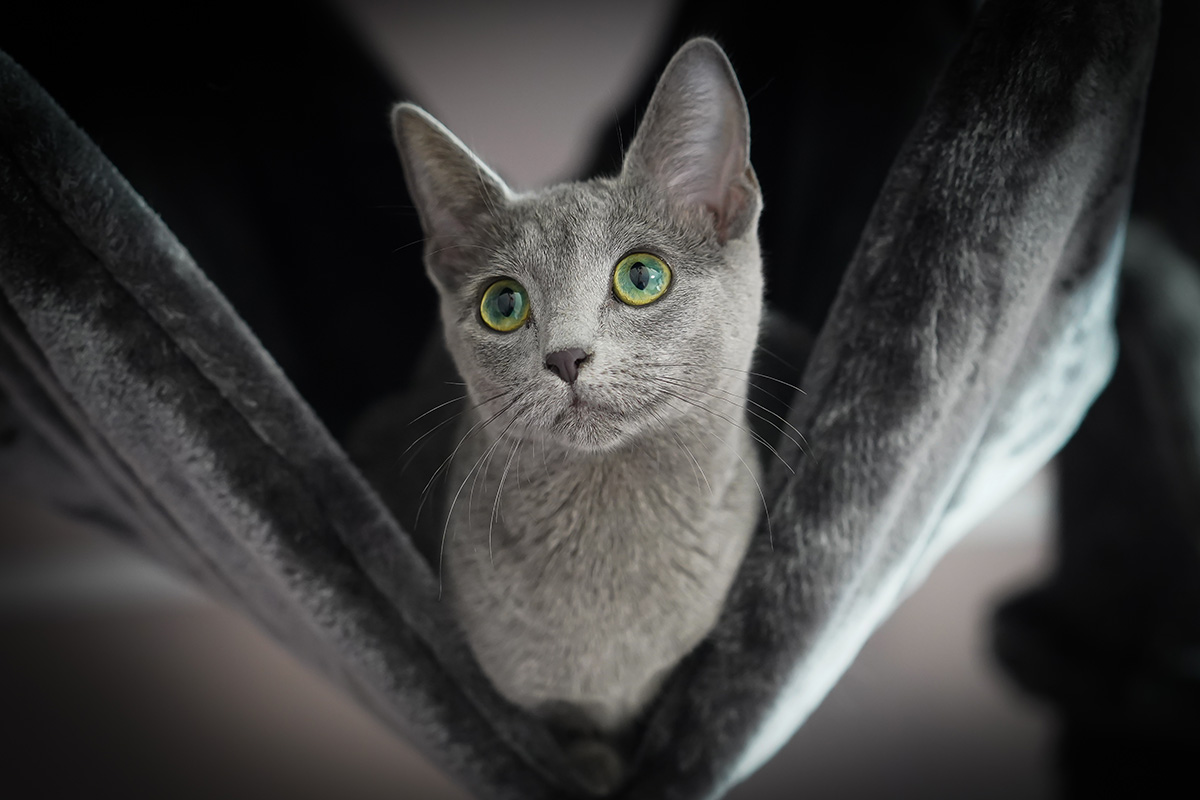
The breed standard describes a medium-sized , fine-boned , long , firm and muscular cat with a smooth medium wedge head , large wide-set ears , vivid green eyes , long tail and a short , dense , fine , plush blue coat with distinct silver tipping. Males rarely exceed 10 pounds and females are often 5-8 pounds according to CFA.
Russian Blues are also called Archangel Cats and are often said to have an enigmatic smile. Folklore links them to Russian royalty and Hill’s notes they may produce lower levels of Fel d 1 than many breeds.
Obesity, Urinary tract issues including LUTD and calcium oxalate stones, Hypertrophic cardiomyopathy, Hairballs, Dental disease including periodontitis
1. Loss of waist , rounded belly , ribs may be hard to feel , lethargy and in diabetes risk cases increased thirst , urination , ravenous appetite with weight loss and hind leg weakness may occur
1. Difficult or painful urination , increased frequency , crying out , blood in urine , genital licking , inappropriate urination and little or no urine with obstruction may occur
1. Many cats may show no signs
2. Labored or rapid breathing , open-mouthed breathing , lethargy and hind limb pain or paralysis from thromboembolism may occur
1. Retching , hacking , vomiting hair masses , lethargy , refusal to eat , repeated unproductive retching or true vomiting may occur
1. Halitosis , excessive salivation , blood in saliva , pain on chewing , difficulty eating , loose teeth , poor grooming and weight loss may occur
1. Weight gain often begins after neutering around 1-2 years
2. Clinical obesity may become more evident by middle age and diabetes risk may appear around 6-10 years according to the text
1. Very high for obesity and moderate for diabetes according to the supplied text because appetite is strong and indoor inactivity may contribute
1. LUTD can occur at any age
2. It is most often seen in middle-aged cats and calcium oxalate stones are often diagnosed from 4 years and up
1. Moderate according to the supplied text and Cornell notes middle-aged , overweight , low-exercise , low-water cats may be at higher risk
1. Onset is not breed-specific in the supplied text
2. The disease may progress over time and some cats may remain without visible signs for years
1. HCM is the most common heart disease of cats but the supplied sources do not identify Russian Blue as a listed predisposed breed so breed-specific probability is N, A
1. Onset is not breed-specific in the supplied text
2. The disease may progress over time and some cats may remain without visible signs for years
1. Moderate because hairballs are common in cats and may be more frequent in older or heavy-grooming cats
1. Gingivitis may begin by 1-2 years
2. Disease commonly affects cats over 2-3 years and may progress by middle age
1. Very high because the text indicates the majority of cats over 2-3 years may have disease warranting intervention
1. The issue is excess calories especially from carbohydrate-rich foods and the text suggests satiety and physical activity may be lacking

1. This is not described as a nutritional deficiency in the supplied text
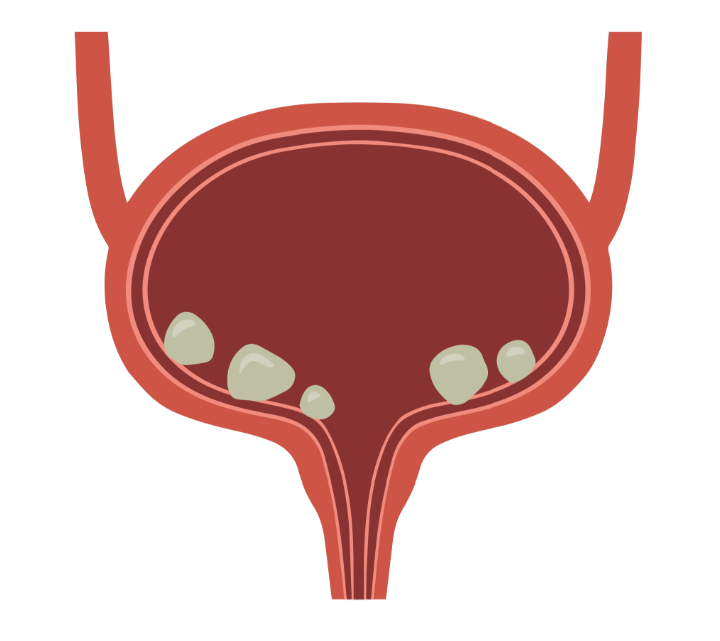
1. Water may be lacking and concentrated urine may promote stone formation
2. Overly acidic urine may also contribute according to the text

1. Keratin in swallowed hair is indigestible and daily grooming management may be lacking


+852 6358 3131
香港中環德輔道中84-86號章記大廈9樓01室
週一到週日,早上10點到下午9點
 +852 9160 8619
 +852 9160 8619