我們的服務
寵物護理服務
獸醫服務
其他
Length range : 43-53 cm
Height range : 23-28cm
Weight range : 3.6-9.1kg
Coat : Longhair|semi-long|silky|soft|plush|abundant guard hairs|minimal undercoat
Life expectancy years : 12-17
Colors: seal|blue|chocolate|lilac|red|cream|frost|bluecream|tortie|lynx|pointed patterns with white.
Activitity Level : Moderate
Origin: United States
Similar Breeds : Birman|Persian|Balinese|Maine Coon|Siberian
The breed was developed in the 1960s in California by Ann Baker from carefully chosen domestic longhairs including the white foundation cat Josephine. CFA accepted the breed for registration in 1993 and advanced it to championship status in 2000.
Affectionate
affectionate|docile|placid|calm|gentle|loving|relaxed|friendly|intelligent|sociable
Needs regular interactive playtime , weekly or more frequent brushing or combing , nail trimming , dental care , weight monitoring , secure outdoor or indoor enrichment.
Sociable and dependent cat that usually gets along well with children and other pets including dogs and often stays close to people.
Regular combing at least once or twice a week is advised by CFA while other sources suggest daily brushing from kittenhood because the coat can mat during seasonal changes. Nail trimming and dental care are also part of grooming.
Every cat needs balanced carnivore nutrition and the breed should be fed to maintain ideal body condition. Fresh clean water should be available daily and portion control is important because the breed may love food and be prone to obesity.
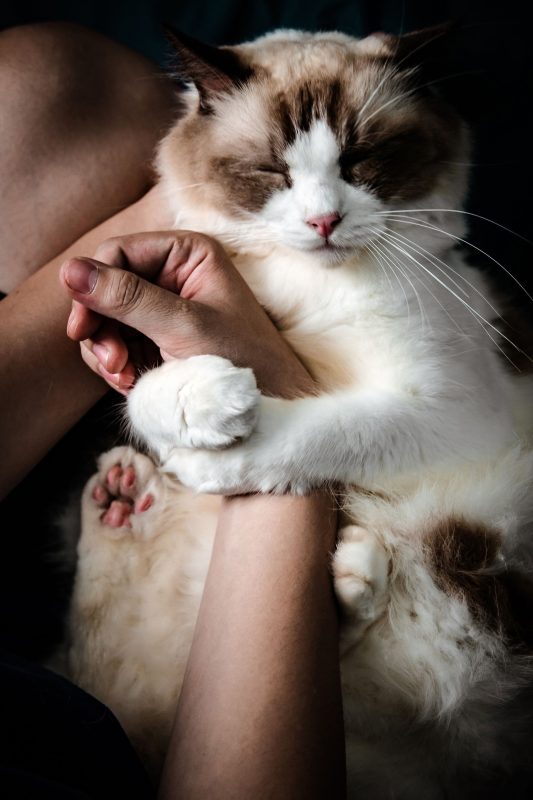
The breed standard describes a medium to large blue-eyed pointed cat with a large modified wedge head , vivid blue oval eyes , medium ears , long rectangular body , heavy boning , long plume tail and moderately long coat with abundant guard hairs and minimal woolly undercoat. Full size and weight may be reached around four years and full coat color around two to three years.
Ragdolls are slow-maturing and many may learn to fetch or follow people around which contributes to their puppy-cat reputation.
Hypertrophic cardiomyopathy, Urinary tract issues including FLUTD, Hairballs, Obesity, Polycystic kidney disease
1. Many cats may show no signs for years
2. Lethargy , hiding , reduced appetite , rapid or labored breathing , open-mouthed breathing and hind limb pain or paralysis from thromboembolism may occur
1. Difficult or painful urination , increased frequency , crying out while urinating , blood in urine , inappropriate urination , genital licking and little or no urine with blockage may occur
1. Gagging , hacking , retching , vomiting cylindrical hair masses , lethargy , repeated unproductive retching , inappetence or blockage signs may occur
1. Loss of waistline , round sagging belly , difficulty feeling ribs or spine , reduced play , trouble jumping and greasy or matted coat may occur
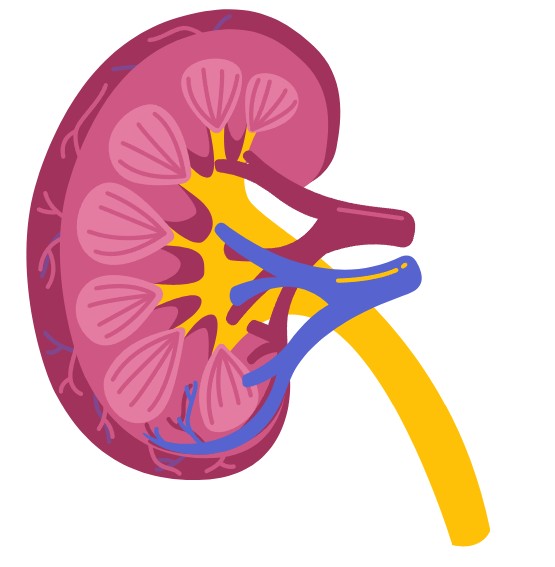
1. Increased thirst and urination , weight loss , poor appetite , nausea , vomiting , lethargy and unkempt coat may occur
1. Genetic predisposition is present from birth
2. Clinical signs or diagnosis often appear in young to middle-aged adults around 2-6 years
1. High and described as a major hereditary risk in the breed
1. Can occur at any age
2. Most often seen in young to middle-aged cats around 2-7 years according to the text
1. High according to the supplied text especially in large indoor neutered males and cats with low activity or stress
1. May begin after the adult coat develops around 1+ year
2. May become more frequent during heavy shedding and later life
1. High because long-haired breeds may be at greater risk and this is a common management issue
1. Weight gain often begins after maturity and neutering around 1-2 years and may become more significant by middle age
1. Very high and described as an extremely common management challenge without strict owner control
1. Cysts are present from birth
2. Clinical kidney failure signs often appear around 3-10 years
1. Low in cats from responsible breeders because DNA testing may greatly reduce the risk

1. This is a genetic disease rather than a deficiency
2. Taurine is described as critical for feline heart muscle function
1. Water and dietary fiber may be lacking and keratin in swallowed hair is indigestible according to the text
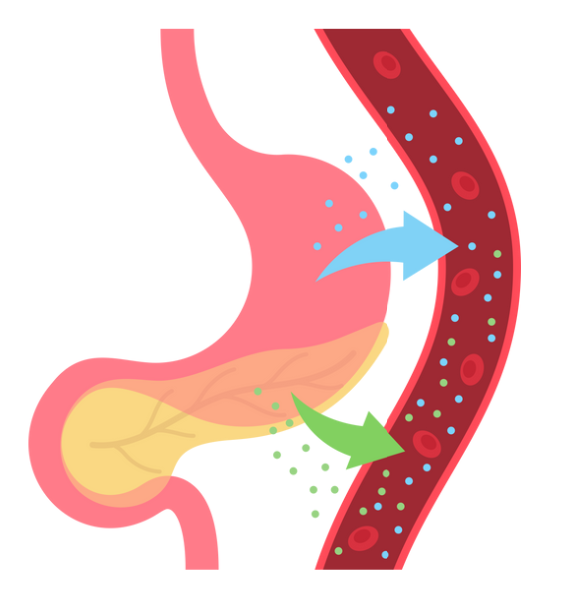
1. Water may be lacking and concentrated urine may allow crystal formation
2. Stress is a major non-chemical trigger according to the text
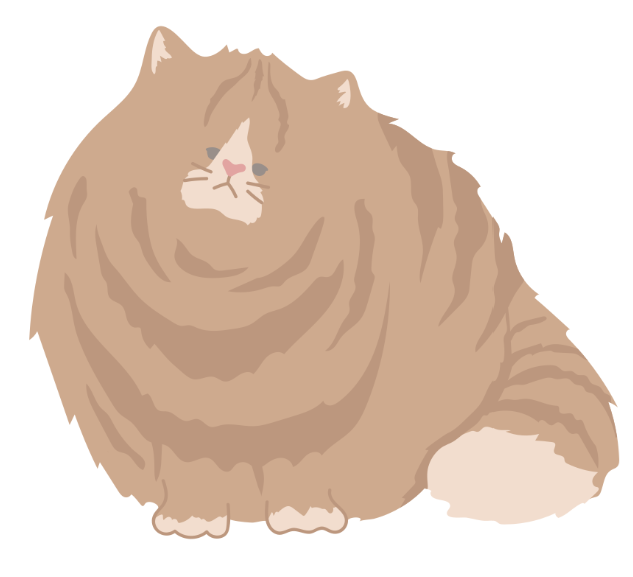
1. The issue is excess calories especially from carbohydrate-rich dry food and the text suggests physical activity may be lacking

+852 6358 3131
香港中環德輔道中84-86號章記大廈9樓01室
週一到週日,早上10點到下午9點
 +852 9160 8619
 +852 9160 8619