我們的服務
寵物護理服務
獸醫服務
其他
Length range : 30-46 cm
Height range : 23-28cm
Weight range : 3.5-9.1kg
Coat : Medium coat|semi-long to long coat|soft|dense|silky|full coat|ruff around neck|plumed tail
Life expectancy years : 12-18
Colors: all colours|all patterns|all markings|white|black|blue|cream|red|brown|lilac|platinum|fawn|chocolate|chestnut|cinnamon|lavender|cameo|silver|solid|tabby and white|tortoiseshell|mink.
Activitity Level : Moderate
Origin: United States
Similar Breeds : Turkish Angoras|Persians|Birman|LaPerm|Turkish Van
The breed is closely tied to the Ragdoll and emerged in the early 1990s when breeders broke away to widen the gene pool and introduce new colors and patterns using domestic longhairs and outcrosses such as Himalayans and Persians. CFA registration was granted in 2003 and championship status followed in 2011.
Calm
loving|affectionate|playful|calm|docile|people-loving|friendly|trusting|patient|sweet-natured|placid
Needs moderate grooming , interactive exercise , weight monitoring , secure indoor-focused living , enrichment toys , sunny resting places , regular preventive veterinary care.
Very social and dependent on people , generally good with children , visitors and other pets , affectionate lap-cat behavior , may become stressed if left alone for long periods.
The coat may need a few minutes of daily grooming according to Purina and Hill’s while CFA suggests once or twice weekly combing because the fur tends to resist tangles and mats. Regular checks for wounds , parasites and routine preventive care are helpful.
The breed benefits from complete balanced carnivorous nutrition with portion control to maintain ideal body condition. Food-dispensing toys , measured feeding and avoiding free-feeding may help because the breed can be placid and enthusiastic about food.
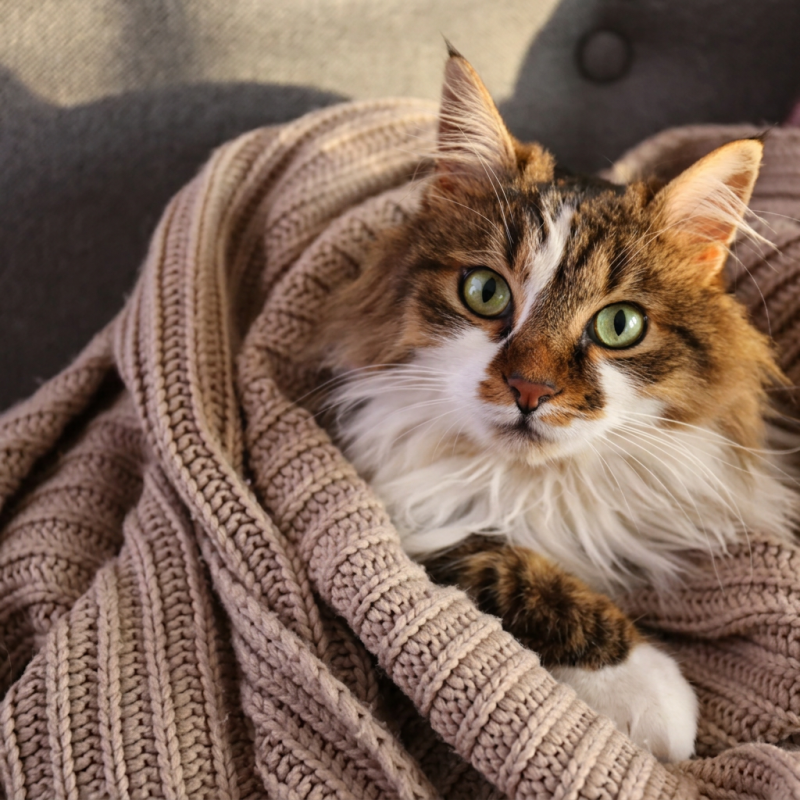
The breed standard describes a medium to large cat with substantial bone , rectangular body , broad chest , long fully furred plume-like tail , broad modified wedge head , rounded ears , large expressive walnut-shaped eyes and a soft dense silky coat. Many colors and patterns are allowed and the breed matures slowly.
The breed may take up to about four to five years to reach full maturity and is often described as a trusting teddy-bear lap cat.
Hypertrophic cardiomyopathy, Obesity and related complications, Polycystic kidney disease, Gastrointestinal issues including hairballs and constipation, Arthritis
1. Many cats may show no early signs
2. Lethargy , reduced appetite , rapid or labored breathing , open-mouthed breathing and hind limb pain or paralysis from thromboembolism may occur
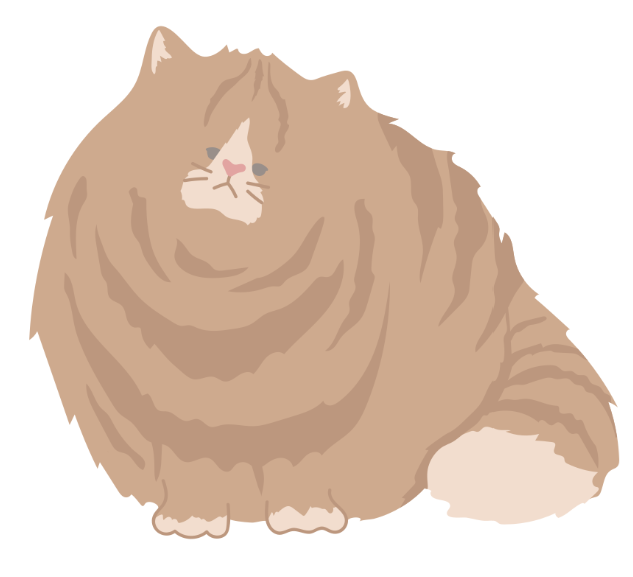
1. Loss of waistline , difficulty feeling ribs , reduced play , grooming difficulty , lethargy and increased sleeping may occur
1. Increased thirst and urination , weight loss , poor appetite , vomiting , lethargy , depression and unkempt coat may occur
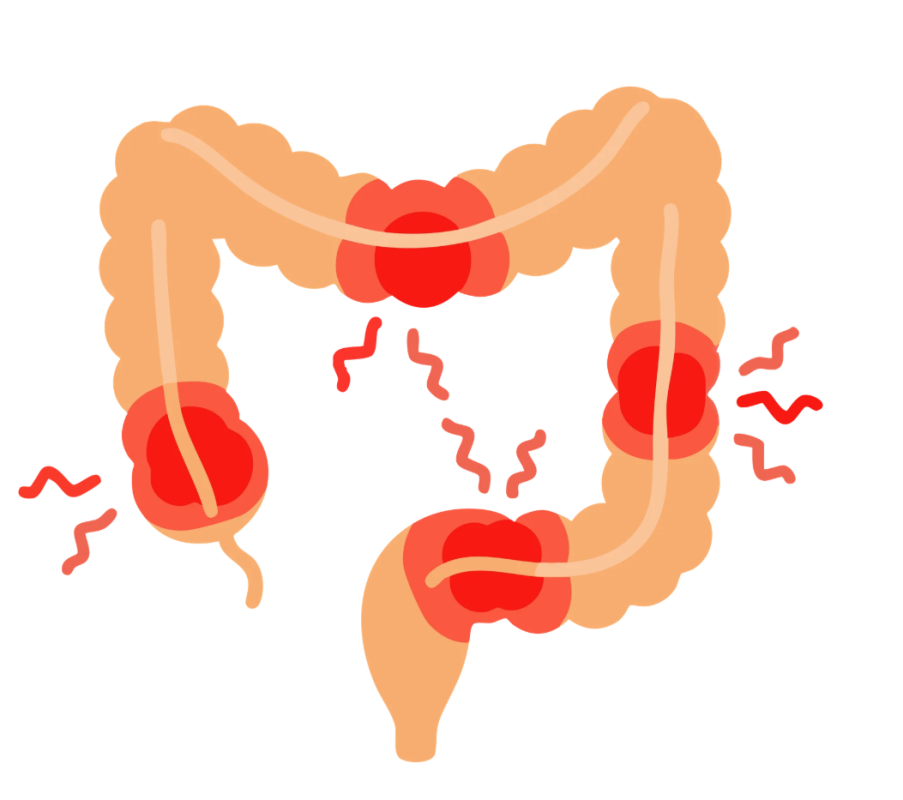
1. Hacking , gagging , vomiting hair , straining in the litter box , little stool , hard dry stools or defecating outside the box may occur
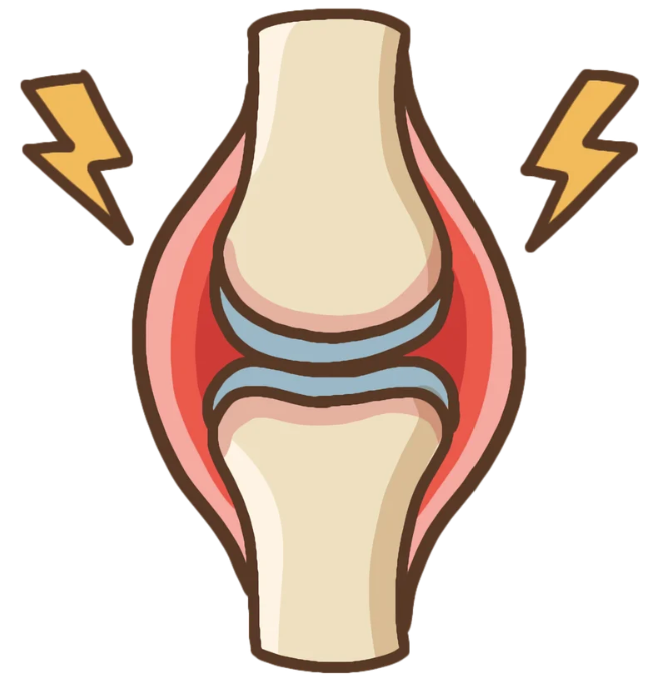
1. Reluctance to jump , stiffness after waking , litter box difficulty , reduced grooming and irritability over lower back or hips may occur
1. Genetic predisposition is present from birth
2. Clinical signs are often detected in adults between 3 and 8 years
1. Moderate to high according to the text and breed-linked ancestry risk remains even if one mutation test is clear
1. Weight gain may begin after neutering and maturity around 1-2 years
2. It often becomes more significant around 4-8 years
1. Very high and described as one of the most common preventable problems in the breed
1. Cysts are present from birth
2. Clinical signs often appear later around 3-10 years
1. Low in cats from responsible breeders because DNA testing may reduce the risk in breeding lines
1. May occur after the adult coat develops around 1+ year
2. They may become more common in middle-aged and senior cats
1. High as a recurring management issue for long-haired indoor cats according to the text
1. Owners often notice signs in senior cats around 8+ years
2. Onset may be earlier in overweight cats
1. Very high in senior and or overweight RagaMuffins according to the text

1. This is a genetic disease rather than a nutritional deficiency
2. Taurine is described as crucial for overall cardiac health although deficiency causes a different heart condition
1. This is a genetic disease
2. Management may involve controlling dietary phosphorus , sodium and protein according to the text
1. The text indicates excess calories are the issue and active lifestyle plus an appropriate high-quality protein-to-fat balance may be lacking
1. Sufficient dietary fiber and water may be lacking

+852 6358 3131
香港中環德輔道中84-86號章記大廈9樓01室
週一到週日,早上10點到下午9點
 +852 9160 8619
 +852 9160 8619