我們的服務
寵物護理服務
獸醫服務
其他
Length range : 37-44 cm
Height range : 20-25cm
Weight range : 3.2-5.4kg
Coat : Longhair|long|thick|full|flowing|silky|dense undercoat|immense ruff
Life expectancy years : 10-18
Colors: white|red|cream|black|blue|chocolate|lilac|silver|golden|cameo|tortoiseshell|blue-cream|brown|calico|seal|tabby|smoke|shaded|bi-color|himalayan.
Activitity Level : Low
Origin: Persia
Similar Breeds : Himalayan|Exotic Shorthair
The Persian is one of the oldest cat breeds. CFA notes its name comes from its presumed origin in Persia and that longhaired cats reached Europe centuries ago; Pietro della Valle brought a heavily coated cat from Persia to Italy in 1626. Over time Persians were developed in Europe and the United States into the modern round-headed , short-nosed , cobby breed and became one of CFA’s foundation breeds in 1906.
Gentle
sweet|affectionate|quiet|gentle|easygoing|placid|friendly|adaptable|calm|intelligent
Needs a calm environment , regular grooming , careful facial cleaning , weight management and indoor comfort. Exercise and play are needed because the breed is not highly athletic.
Generally friendly with family and visitors , blends into households , can coexist with children and other pets but prefers gentle handling rather than boisterous games.
The Persian coat needs daily brushing and combing to prevent mats and tangles. The face and tear-stained areas need regular cleaning and many owners also use professional groomers. Teeth should be brushed regularly and nails trimmed routinely.
Nutrition should be controlled because Persians are not highly athletic and may gain weight easily. A high-quality diet with fresh water is recommended and daily play or exercise may be needed to maintain condition.
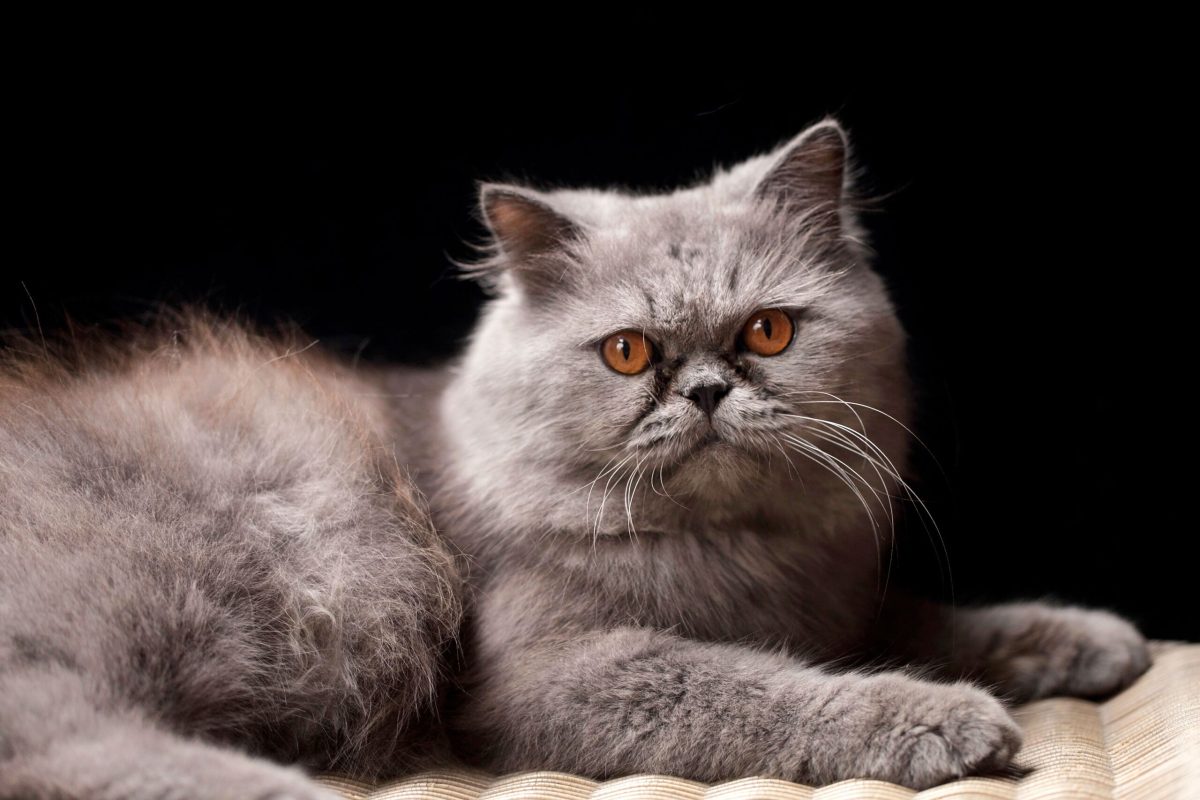
The ideal Persian is heavily boned , cobby , balanced and round with a sweet expression. Breed standards describe a large round head , small ears , large round eyes , short broad snub nose with open nostrils , short thick neck , broad chest , short strong legs , short straight tail and a long thick glossy coat with full volume and immense ruff.
Persians have symbolized feline beauty for well over 100 years and were among CFA’s six foundation breeds. Their popularity was also boosted by admirers such as Queen Victoria.
Polycystic kidney disease, Brachycephalic obstructive airway syndrome, Ocular and facial fold issues, Dental malocclusion and periodontal disease, Dermatological issues
1. Excessive thirst and urination , weight loss , muscle wasting , poor appetite , lethargy , vomiting , nausea and dull coat may occur
1. Noisy breathing , snorting , snoring , open-mouthed breathing , panting , exercise intolerance , gagging or reverse sneezing may occur
2. Collapse or cyanosis may occur in severe cases
1. Constant tearing , tear staining , facial fold irritation , skin infection , corneal ulcers , entropion and eye discomfort may occur
1. Halitosis , visible tartar , red inflamed gums , difficulty chewing , dropping food , reluctance to eat hard food , drooling , loose teeth may occur
1. Matting , flaky greasy smelly skin , ringworm risk and coat problems may occur
1. Cysts are present from birth
2. Clinical signs of kidney failure often appear between 3 and 10 years with average onset around 7 years
1. Low in cats from DNA-screened responsible breeders
2. Very high if the dominant PKD1 gene is present
1. Present from birth due to anatomy
2. Often becomes evident within the first year and may worsen with obesity , heat and humidity
1. Extremely high and virtually all extreme flat-faced Persians may have some degree of airway compromise
1. Tearing is often present from kittenhood
2. Ulcers , dermatitis and related problems may occur at any age
1. Extremely high and some degree of tearing and staining is nearly universal
1. Problems may begin when adult teeth erupt around 6 months
2. Significant disease is common by 2-3 years without proactive care
1. Extremely high because jaw structure and crowding strongly predispose Persians and many cats over 2-4 years have dental disease
1. Matting risk rises when the full adult coat develops around 1 year
2. Seborrhea and fungal susceptibility are lifelong concerns
1. Very high because daily grooming is needed and Persians are especially predisposed to matting , seborrhea and ringworm
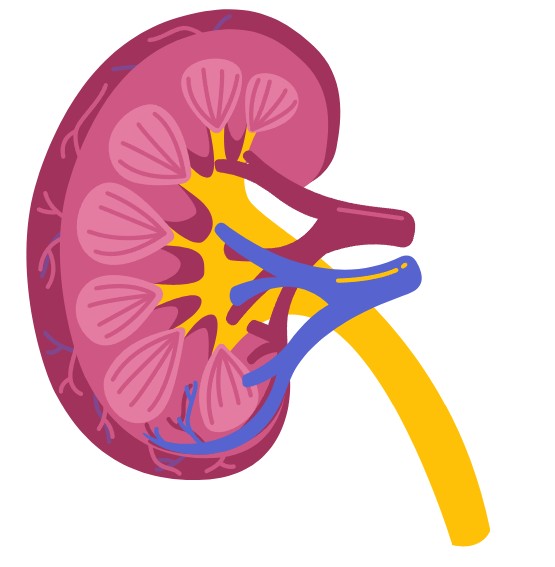
1. This is a genetic disease rather than a chemical deficiency and management may focus on phosphorus , sodium and protein control

1. This is mainly an anatomical and hygiene problem rather than a deficiency

1. This is a structural problem rather than a chemical deficiency

1. This is mainly a mechanical plaque and alignment problem rather than a chemical deficiency

+852 6358 3131
香港中環德輔道中84-86號章記大廈9樓01室
週一到週日,早上10點到下午9點
 +852 9160 8619
 +852 9160 8619