我們的服務
寵物護理服務
獸醫服務
其他
Length range : 30-38 cm
Height range : 20-25cm
Weight range : 2.3-4.5kg
Coat : Longhair|medium length|fine|silky|close-lying|hair longest on tail
Life expectancy years : 10-15
Colors: all colours|solid|tabby|tortie|torbie|silver, smoke|with white|without white|white|blue|ebony|cream|red|brown|frost|platinum|fawn|chocolate|chestnut|cinnamon|lavender|champagne|seal.
Activitity Level : High
Origin: United Kingdom
Similar Breeds : Balinese|Savannah|Snowshoe|British Longhair|Somali|Havana|Ocicat|Tonkinese
The breed developed in the United Kingdom and Europe from the 1950s after Siamese outcrosses were used to rebuild breeding lines after World War II. Non-pointed offspring from Siamese-related breeding programs became the Oriental type. CFA states Oriental Shorthairs were accepted for registration in 1974 and achieved championship status in 1977 , while Oriental Longhairs were accepted in 1988 when the breed name became simply Oriental with separate coat divisions.
Playful
lively|intelligent|sociable|vocal|affectionate|interactive|devoted|curious|playful|demanding
Needs high-level enrichment including simulated hunting games and interactive play , cat trees , climbing frames , puzzle feeders and lots of owner attention. This breed may not do well if left alone for long periods.
Very sociable and dependent , bonds strongly with people and may shift from lap to lap. Often does well with other cats , cat-friendly dogs and older children but may become unhappy if ignored.
The Oriental Longhair needs a good daily brush through according to Purina while CFA notes minimal shedding and weekly grooming can be enough for many Orientals. Teeth , nails , eyes and ears should also receive regular care.
Feed to maintain ideal body condition because this breed shows weight gain easily. Adults are often fed at least twice daily and kittens three to four times daily. Fresh water should always be available and wet food may help support hydration.
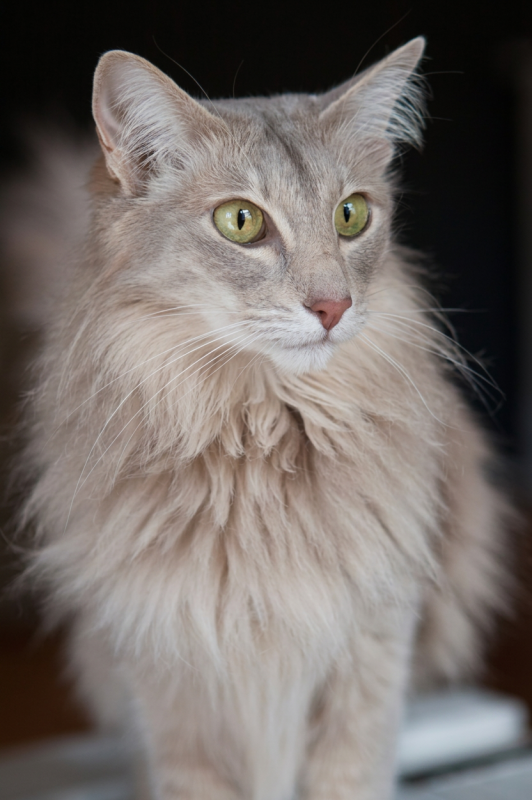
The breed standard describes a svelte , graceful , refined medium-sized cat with long tapering lines , long wedge-shaped head , large broad-based ears , almond eyes , long slender legs and a long tail with a feathery plume in the longhair division. The coat is medium length , fine , silky , without downy undercoat and lies close to the body.
Orientals are sometimes nicknamed Ornamentals because of their huge range of colors and patterns. The longhair division is less common than the shorthair and remains closely tied to Siamese ancestry.
Dental and periodontal disease , Progressive retinal atrophy , Hepatic amyloidosis , Asthma , respiratory conditions
1. Halitosis , red , swollen or bleeding gums , visible tartar , dropping food , chewing on one side , reluctance to eat , mouth pawing , loose teeth and poor grooming may occur
1. Night blindness , hesitation in dim light , bumping into furniture , dilated pupils , increased eye shine and worsening day vision may occur
1. Intermittent lethargy , loss of appetite , weight loss , vomiting , diarrhea , jaundice may occur
2. Sudden collapse , pale gums and a swollen painful abdomen may occur in acute crisis
1. Coughing with neck extended , wheezing , rapid or labored breathing may occur
2. Open-mouthed breathing and blue-tinged gums may occur in severe attacks
1. Obsessive sucking or chewing of blankets , sweaters , shoelaces or plastic may occur
2. Vomiting , appetite loss or abdominal pain may occur if blockage develops
1. Mild gingivitis may start in the first year
2. Significant issues often become apparent by 2-4 years
1. Extremely high
2. The text indicates this is the most predictable breed concern and cats over 2-3 years often warrant intervention
It is described as late onset and clinical vision loss often begins at 3-5 years
1. Low in cats from responsible breeders using DNA testing
2. High if two recessive copies are inherited and affected kittens may occur 25% of the time from two carriers
1. Clinical signs are often seen between 1 and 7 years
1. Low but significant because it is a known serious risk in the Siamese , Oriental family and there is no simple DNA test
1. Can develop at any age but may first be diagnosed in young adults around 2-8 years
1. Moderate because the breed is frequently cited as predisposed to asthma and bronchial disease
1. Often begins in kittenhood or adolescence shortly after weaning and may wax and wane through life
1. Moderate to high because it is a well-known behavioral issue in the Siamese , Oriental family

1. This is a mechanical and bacterial issue rather than a chemical deficiency and physical tooth-cleaning abrasion is the main lacking factor
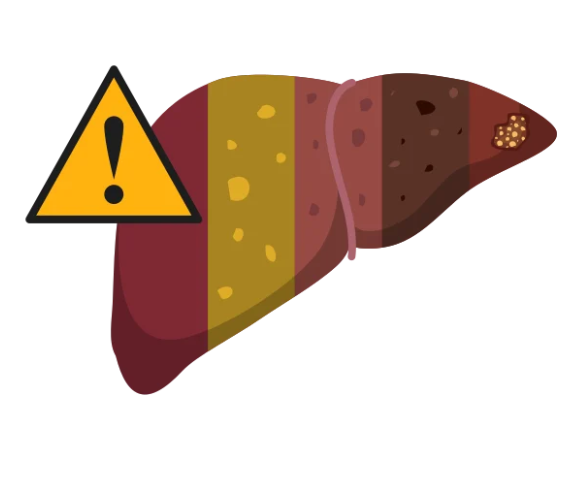
1. This is a genetic protein-folding disease rather than a deficiency and management focuses on liver support

1. This is a genetic disease rather than a nutritional deficiency though antioxidants may support general eye health

1. This is an inflammatory condition rather than a deficiency and trigger reduction is important


+852 6358 3131
香港中環德輔道中84-86號章記大廈9樓01室
週一到週日,早上10點到下午9點
 +852 9160 8619
 +852 9160 8619