我們的服務
寵物護理服務
獸醫服務
其他
Length range : 33-41 cm
Height range : 23-28cm
Weight range : 2.7-6.8kg
Coat : Short|smooth|satiny|tight close-lying spotted coat
Life expectancy years : 10-18
Colors: Tawny|Chocolate|Cinnamon|Blue|Lavender|Fawn|Ebony Silver|Chocolate Silver|Cinnamon Silver|Blue Silver|Lavender Silver|Fawn Silver.
Activitity Level : High
Origin: United States
Similar Breeds : Abyssinian|Siamese|American Shorthair|Bengal|Savannah|Toyger
The breed began in 1964 when breeders crossing Abyssinian and Siamese cats produced a spotted kitten named Tonga. American Shorthair was later added to broaden the gene pool and add boning , substance and silver. CFA accepted the breed for registration in 1966 and advanced it to championship status in 1987.
Playful
confident|outgoing|social|intelligent|active|devoted|friendly|playful|people-oriented
Needs high-level enrichment , simulated hunting games , interactive play , climbing and space. Training , puzzle feeders and regular companionship are important because this breed may become unhappy if left alone for long periods.
Very social and people-oriented , often devoted to owners , usually outgoing with visitors and may do well with other pets or busy households if companionship is available.
Minimal grooming is needed. A weekly brush or comb may be enough and some owners simply use a rubber brush or chamois to remove loose hair and add luster. Teeth and nails still need regular attention.
Commercially prepared cat food can work well and fresh water should always be available. Some guidance suggests wet food at least once daily and feeding to maintain ideal body condition. Puzzle feeding and enrichment-based feeding may suit this active breed.
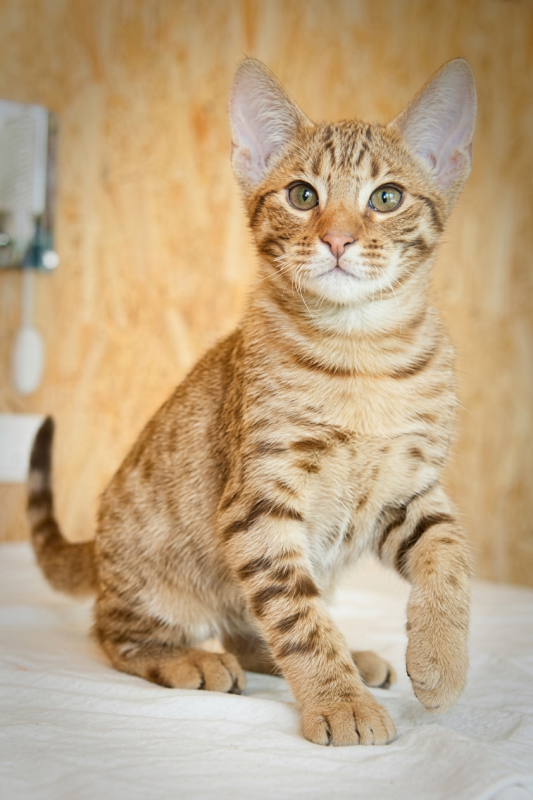
Breed standard describes a medium to large well-spotted agouti cat of moderate type with an athletic , muscular , solid yet graceful body. The head is a modified wedge with a broad well-defined muzzle , large almond eyes , moderately large ears , fairly long tail with dark tip and a short sleek satiny coat showing thumbprint-shaped spots with strong contrast.
The first Ocicat was an accidental 1964 kitten named Tonga whose ocelot-like look inspired the name. Despite the wild appearance the breed has no wild ancestry and is entirely domestic.
Pyruvate kinase deficiency , Progressive retinal atrophy , Hypertrophic cardiomyopathy , Renal amyloidosis , Dental disease
1. Lethargy , weakness , exercise intolerance , pale gums , jaundice and enlarged abdomen may occur
1. Night blindness , bumping into things in low light , dilated pupils , overly reflective eyes , cautious movement and progressive vision loss may occur
1. Early stages may show no signs
2. Lethargy , decreased appetite , rapid or open-mouthed breathing , collapse , hind leg paralysis or lameness from blood clots may occur
1. Excessive thirst and urination , weight loss , poor coat , lethargy , loss of appetite , vomiting and chemical-smelling breath may occur
1. Halitosis , excessive salivation , blood in saliva , pain on chewing , difficulty eating , loose teeth and weight loss may occur
1. Genetic defect is present from birth
2. Intermittent signs may appear in young adults around 2-3 years though some cats may be older before crisis occurs
1. Low in lines from responsible breeders with DNA testing
2. The supplied text indicates a 25% risk if two carriers are bred
1. It is described as late onset and vision loss may become noticeable at 3-6 years
1. Low in lines from responsible breeders with DNA testing
2. High if two recessive copies are inherited
1. Predisposition is present from birth but clinical signs often appear in adulthood or middle age around 3-8 years
1. Moderate because HCM is common in cats and the breed has elevated inherited risk from parent lines
1. It may cause kidney failure in young cats around 1-5 years
1. Low to moderate because it is a known Abyssinian-line risk but not common and inheritance is complex
1. Mild gingivitis may begin at 1-2 years and many cats over 2-3 years may have disease needing intervention
1. Very high because the great majority of cats over the age of 3 years may warrant intervention
1. This is a genetic enzyme deficiency and not a nutritional lack though iron and B-vitamins are relevant to red blood cell formation

1. Cause is mainly genetic but taurine , L-Carnitine and Coenzyme Q10 are noted as heart-support nutrients

1. This is genetic and not caused by a deficiency though antioxidants support general eye health
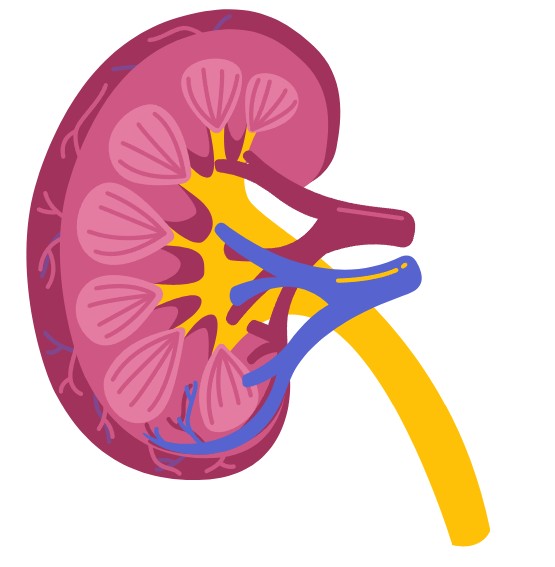
1. This is a protein-folding disease and not a deficiency though phosphorus , sodium and protein control become relevant in kidney management


+852 6358 3131
香港中環德輔道中84-86號章記大廈9樓01室
週一到週日,早上10點到下午9點
 +852 9160 8619
 +852 9160 8619