我們的服務
寵物護理服務
獸醫服務
其他
Length range : 30-46 cm
Height range : 23-30cm
Weight range : 5.9-9.1kg
Coat : Long to semi-long double coat|dense undercoat|long glossy water-resistant guard hairs|frontal ruff|bushy tail
Life expectancy years : 8-16
Colors: White|Black|Blue|Red|Cream|Silver|Golden|Amber|Brown|Cameo|Tortoiseshell|Bluecream|tabby|bi-color|calico.
Activitity Level : Moderate
Origin: Norway
Similar Breeds : Maine Coon
The breed is associated with Norway and Scandinavian forests and appears in Norse legend as the Skogkatt. Sources say Vikings may have used these cats for rodent control and that the breed was preserved through 20th century breeding programs after nearing extinction. It became the official cat of Norway in the 1970s , the first U.S. breeding pair arrived in 1979 , and CFA championship status came in 1993.
Playful
friendly|affectionate|sweet|intelligent|independent|adaptable|playful|gentle|loving
Needs climbing space , scratching posts , cat trees , interactive play , room to run and regular coat care. They also benefit from companionship and should not be left alone for long stretches.
Prefers to be part of family life , forms strong attachments while remaining independent , usually does well with children , cats , dogs and family interaction.
Regular combing is usually enough for many cats but more frequent brushing is needed during shedding and some sources recommend at least twice weekly or even daily in heavy moulting periods. Teeth should be brushed as often as possible , nails clipped as needed , and eyes wiped if necessary.
A complete balanced diet with fresh water is recommended. Sources note that calorie balance matters for this large breed , adult diets should support coat , joints , oral health and hairball management , and low excess feeding helps avoid obesity.
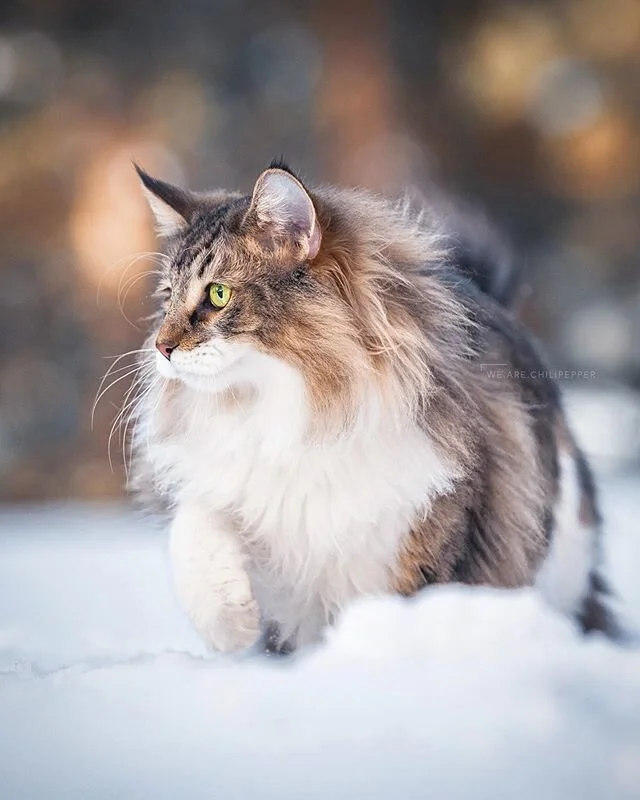
Breed standard emphasizes a sturdy , large , substantially boned cat with an equilateral triangular head , straight profile , large almond-shaped eyes , medium to large furnished ears , medium-long rectangular body , hind legs higher than forelegs , large tufted paws , long bushy tail and a dense double water-resistant coat. The breed matures slowly and can take about five years to reach full growth.
The breed is known as the Skogkatt in Norway and is tied to Norse folklore. It was designated the official cat of Norway in the 1970s and is famous for climbing ability , cold-weather coat and a long maturation period.
Glycogen storage disease IV , Hypertrophic cardiomyopathy , Hip dysplasia , Severe matting and hairballs , Dental disease
1. Stillbirth or fading kitten signs may occur
2. Surviving kittens may show progressive muscle weakness , tremors , ataxia , lethargy , inability to stand and muscle wasting
1. Early stages may show no signs
2. Murmur or gallop rhythm may be first clues
3. Lethargy , reduced appetite , rapid or open-mouthed breathing , fainting , blood clots , hind-limb paralysis or lameness may occur
1. Bunny hopping , limping , stiffness , reluctance to jump , pain when hips are handled , hind-leg muscle loss may occur
1. Dense mats under legs , belly or hindquarters , red irritated skin , vomiting or retching up hair , lethargy , loss of appetite may occur with blockage
1. Halitosis , excessive salivation , blood in saliva , pain on chewing , difficulty eating , loose teeth , weight loss and poor grooming may occur
1. It can be present at birth with stillbirth or fading kittens
2. In surviving kittens clinical signs often appear at 5-7 months and the disease is usually fatal before 15 months
1. Extremely low in lines from responsible breeders with DNA testing
2. The supplied text indicates a 25% risk if two carrier cats are bred
1. Disease may begin earlier but signs often appear in middle age or later around 4-8+ years
1. Moderate because the breed is described as having hereditary risk and HCM affects up to 15% of all cats overall
1. It may be visible on x-ray in young cats around 1-2 years and clinical pain signs may become apparent at 3-7 years or later
1. Moderate because large , heavy build may increase risk though severity varies
1. It can happen at any age and may worsen during seasonal sheds or when grooming ability declines with age , arthritis or obesity
1. Very high because the dense coat makes some degree of matting or hairball trouble likely without consistent grooming
1. Mild gingivitis may begin by 1-2 years and the majority of cats over 2-3 years may have disease needing intervention
1. Very high because the text indicates the majority of cats over 2-3 years have some disease warranting intervention
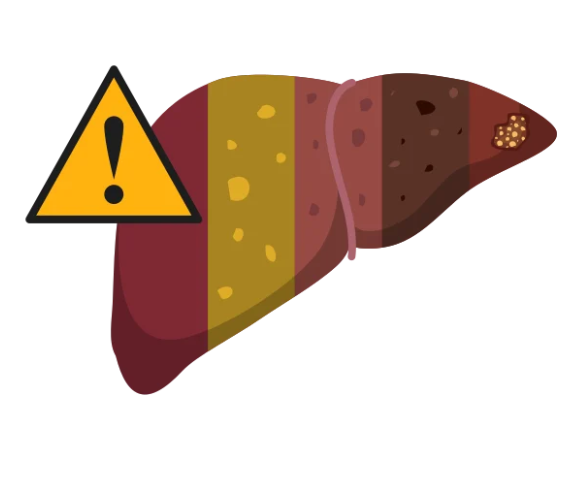
1. This is a genetic enzyme deficiency and is not related to nutritional lack
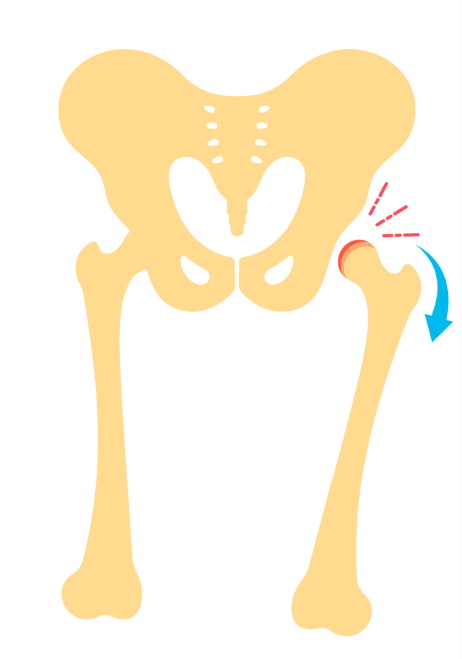
1. This is a conformational issue and not a deficiency though joint tissues rely on glucosamine and chondroitin sulfate

1. Cause is mainly genetic but the supplied text notes taurine , L-Carnitine , Coenzyme Q10 and omega-3 fatty acids are nutrients relevant to heart support
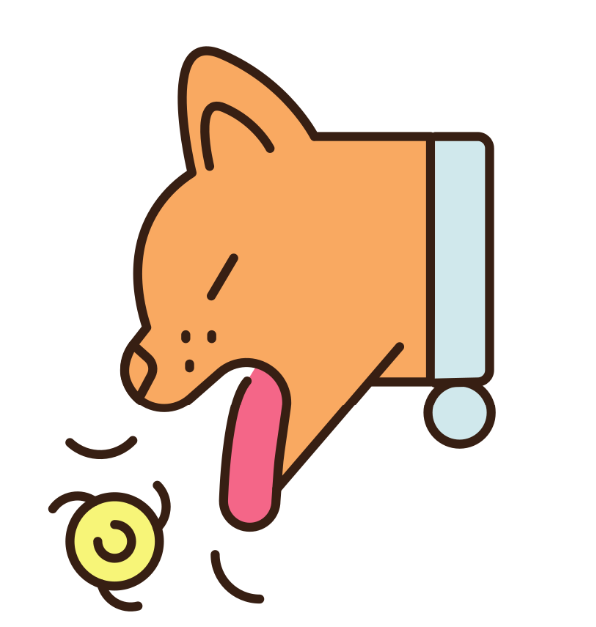
1. This is a physical grooming issue and the lacking elements may be brushing , fiber and hydration


+852 6358 3131
香港中環德輔道中84-86號章記大廈9樓01室
週一到週日,早上10點到下午9點
 +852 9160 8619
 +852 9160 8619