我們的服務
寵物護理服務
獸醫服務
其他
Length range : 36-41 cm
Height range : 25-30cm
Weight range : 3.6-5.4kg
Coat : Short and long double coat|shorthair is dense , plush and glossy|longhair is medium length , soft , silky , plush with breeches and neck ruff
Life expectancy years : 8-16
Colors: White|Blue|Black|Red|Cream|Silver|Tortoiseshell|Bluecream|Brown|many colors and patterns.
Activitity Level : Moderate
Origin: United Kingdom
Similar Breeds : Japanese Bobtail|Kurilian Bobtail|American Bobtail|Pixiebob
The breed originated on the Isle of Man in the Irish Sea. Its taillessness is linked to a natural mutation in the island population and the breed was represented at early British cat shows and registered by CFA in 1906. Legends about Noah’s Ark and ship cats exist but the mutation on the island is the likely origin.
Affectionate
calm|even-tempered|affectionate|gentle|quiet|people-oriented|intelligent|playful|loving
Needs regular companionship , moderate grooming , interactive play , puzzle toys and careful support of the hindquarters when carried. They should not be left alone for long periods.
Forms strong bonds with family , is people-oriented , usually does well with children and other pets when properly introduced , and prefers company over long solitude.
Shorthaired cats can be groomed with a comb or brush two or three times a month and longhaired cats benefit from weekly combing with attention under the legs and sides of the face. Hill’s also notes daily brushing may help manage the dense double coat especially during shedding season.
Nutrition should be controlled carefully because the breed may gain weight easily. Wet or meat-based meals with fresh clean water are emphasized in the supplied texts and measured feeding may help maintain condition.
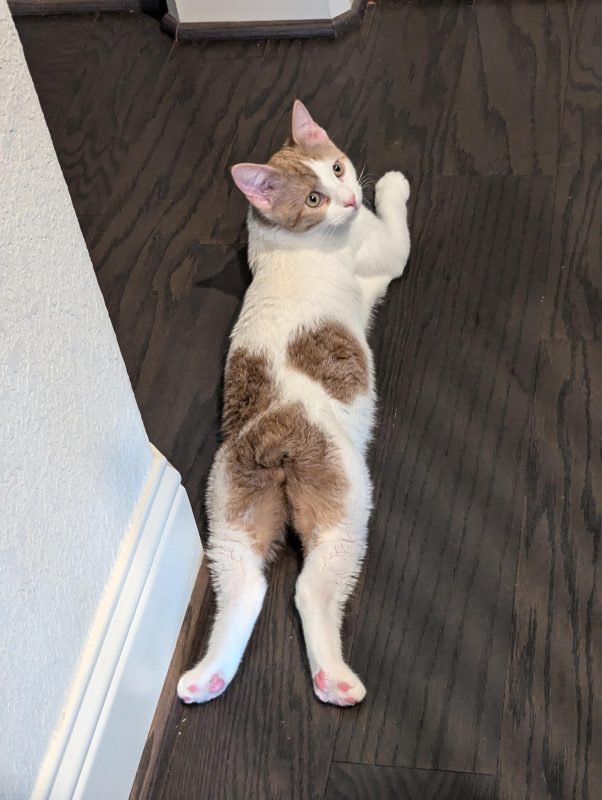
The breed standard emphasizes overall roundness , a compact muscular body , broad chest , short back with a smooth arch to a round rump , longer hind legs , deep flank , round head and a tailless or proportionate tailed presentation depending on variety. Both shorthair and longhair are recognized.
The Manx is one of the oldest known cat breeds and is famous for its tailless look. Its powerful hind legs contribute to strong jumping ability and a bunny-like gait nickname.
Manx syndrome , Megacolon , Arthritis , Obesity , Dental disease
1. Bunny hop gait , hind-leg weakness , stiff awkward walk , urinary dribbling , fecal soiling , constipation , lack of anal tone and flattened hindquarters may occur
1. Infrequent bowel movements , straining , liquid stool leaking around impacted feces , vomiting , loss of appetite , lethargy and abdominal pain may occur
1. Reluctance to jump , stiffness after waking , stilted gait , irritability when touched over lower back or hips , decreased activity and grooming may occur
1. Loss of waist , difficulty feeling ribs , bulging abdomen , lethargy , reduced jumping and grooming difficulty may occur
1. Halitosis , excessive salivation , blood in saliva , pain on chewing , difficulty eating , loose teeth , lethargy , weight loss and poor grooming may occur
1. This is a birth defect and signs usually become apparent from birth to 4 months as kittens begin to walk and use the litter box
1. Moderate to high because the supplied text indicates up to 20-30% of tailless Manx may have some degree of spinal malformation
1. It may appear in young cats with severe nerve damage or later in middle age after chronic constipation
1. Moderate because the text suggests Manx cats are predisposed through hind-end nerve damage and chronic constipation risk
1. Structural problems are congenital but pain signs are often noticed in middle age and worsen with age
1. High because breed conformation and spinal abnormalities may place extra stress on joints
1. It can begin after maturity especially after neutering if diet is not adjusted
1. High because lower mobility and the general high prevalence of overweight cats increase risk
1. Disease affects the majority of cats over 2-3 years and mild gingivitis may begin by 1-2 years
1. Very high because the great majority of cats over 3 years have disease warranting intervention
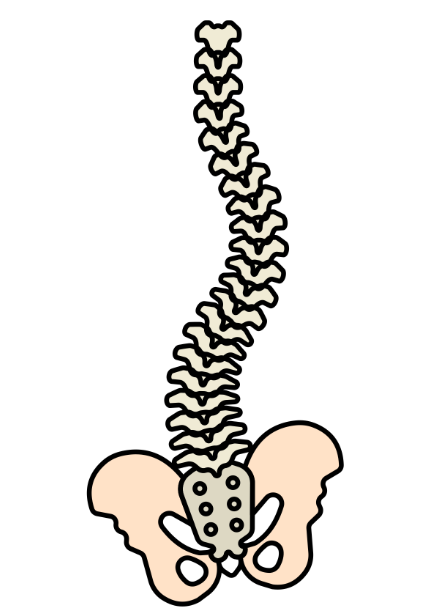
1. This is a structural genetic disease and not a chemical deficiency though the text mentions nerve function relies on electrolyte and B-vitamin balance
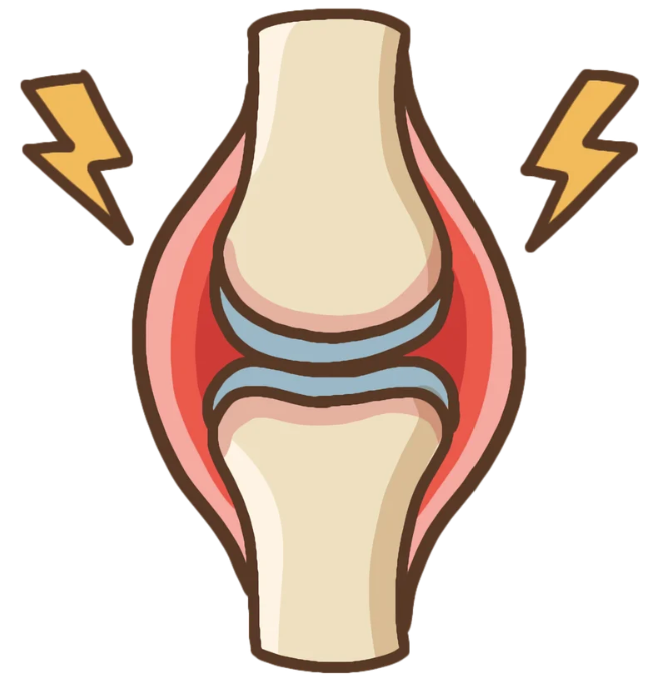
1. This is not a deficiency but joint tissues rely on glucosamine and chondroitin sulfate for support
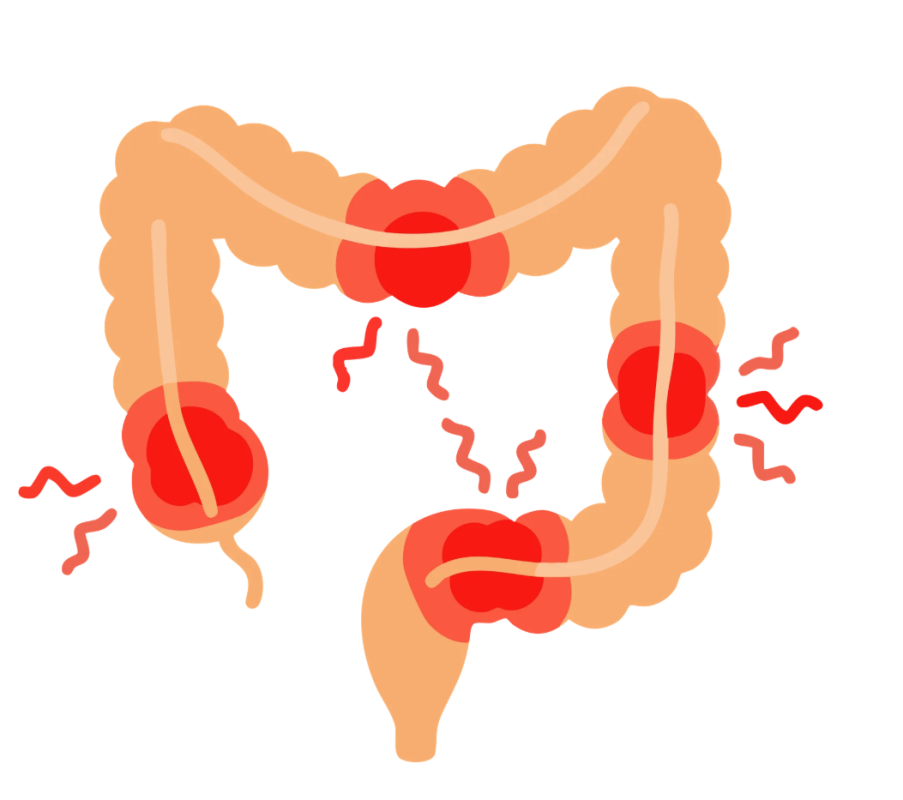
1. The main issue is poor stool hydration and motility rather than a specific chemical lack
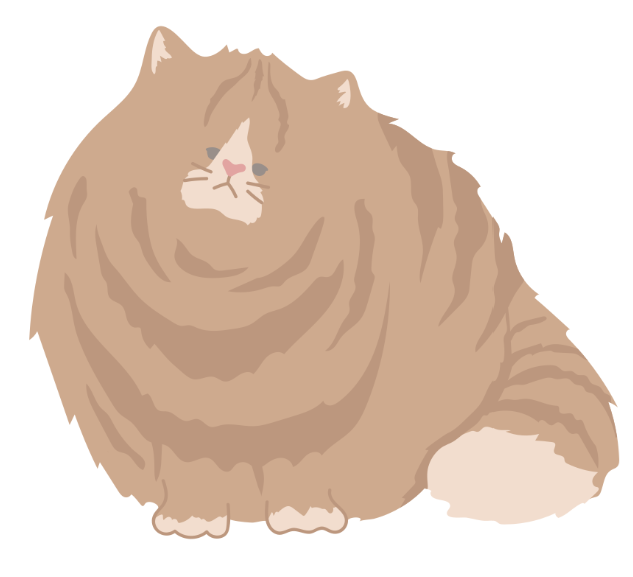
1. Obesity reflects excess calories rather than deficiency and the lacking elements are exercise and portion control


+852 6358 3131
香港中環德輔道中84-86號章記大廈9樓01室
週一到週日,早上10點到下午9點
 +852 9160 8619
 +852 9160 8619