我們的服務
寵物護理服務
獸醫服務
其他
Length range : 38-46 cm
Height range : 25-30cm
Weight range : 2.7-4.5kg
Coat : Short coat|single coat|short glossy fine close-lying silver-tipped blue coat with heavy silver sheen
Life expectancy years : 10-15
Colors: silver-tipped blue|blue|silver-blue.
Activitity Level : Moderate
Origin: Thailand
Similar Breeds : Russian Blue|British Shorthair|Oriental Short Hair|Singapura|Tonkinese|Khaomanee
The earliest known record of the Korat appears in The Cat-Book of Poems from the Ayudhya period of Thai history from 1350-1767. Traditionally given as gifts to brides and associated with luck and happiness in Thailand , Korats were imported to the United States in 1959 and later strengthened in U.S. breeding lines. They were also described in ancient Thai writings and later seen in England in the late 1800s.
Playful
energetic|intelligent|affectionate|sensitive|calm|quiet|playful|sweet|gentle|loyal|social|inquisitive
Needs companionship , interactive play , enrichment , puzzle toys , climbing space , gentle routine , regular brushing and routine dental , nail and ear care.
Should not be left alone for long. Forms strong bonds with owners , enjoys cuddling , usually gets along with other pets but may be dominant or jealous if attention shifts away.
Korats need little grooming. Weekly brushing is usually sufficient and their single coat sheds lightly. Routine nail trimming , tooth brushing and ear cleaning are advised.
Feed a balanced carnivorous diet with the right quantity to maintain ideal body condition. Fresh water should always be available. Enrichment feeders and food-dispensing toys may help activity and mental stimulation.
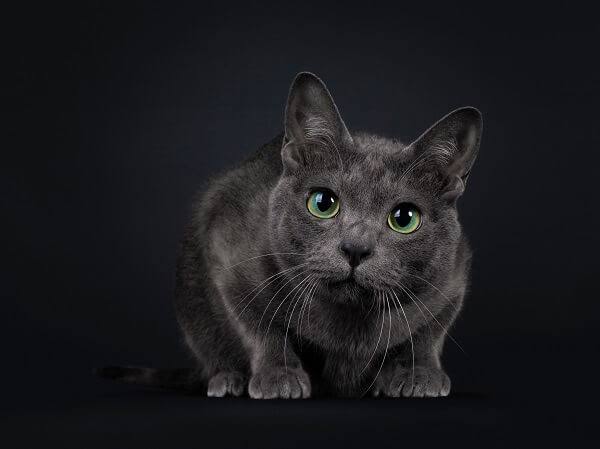
The Korat breed standard describes a rare natural Thai cat with a silver blue coat with heavy silver sheen , medium size , hard muscular body , broad chest , smooth curves , large luminous eyes and a heart-shaped head. The coat must be single , short , glossy and fine and any color but silver-tipped blue is disqualifying.
The Korat is one of Thailand’s traditional good luck cats and was often given in pairs to brides. It is also called the Si-Sawat and is famed for its silver-blue color and heart-shaped face.
Diabetes mellitus, Hypertrophic cardiomyopathy, Periodontal disease, Polycystic kidney disease, Gangliosidosis GM1 and GM2
1. Increased thirst and urination may occur
2. Weight loss despite good appetite , lethargy , poor coat condition and hind limb weakness or plantigrade stance may occur
1. Many cats may show no signs
2. Thickened left ventricle may lead to fainting , congestive heart failure , blood clots , sudden painful loss of rear limb function , lameness or paralysis
3. Sleeping breathing rate above 40 per minute may prompt veterinary evaluation
1. Halitosis , excessive salivation , blood in saliva , dysphagia , pain on mastication , difficulty eating , loose teeth , lethargy , weight loss and poor grooming may occur
1. Cysts may cause no signs at first
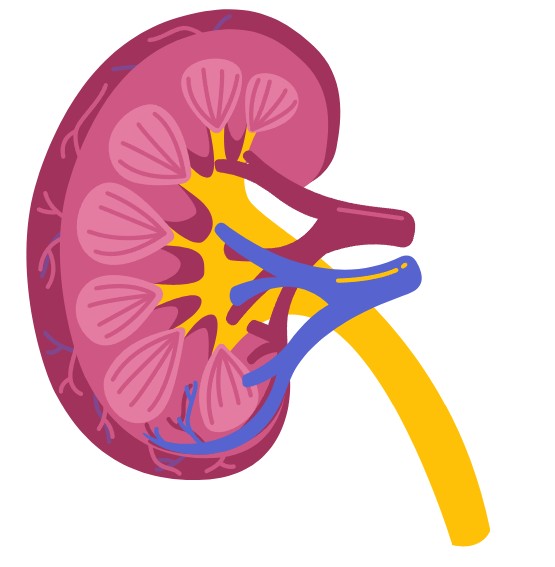
2. Progressive decline in renal function and eventual chronic kidney disease may occur and kidneys may feel enlarged on palpation
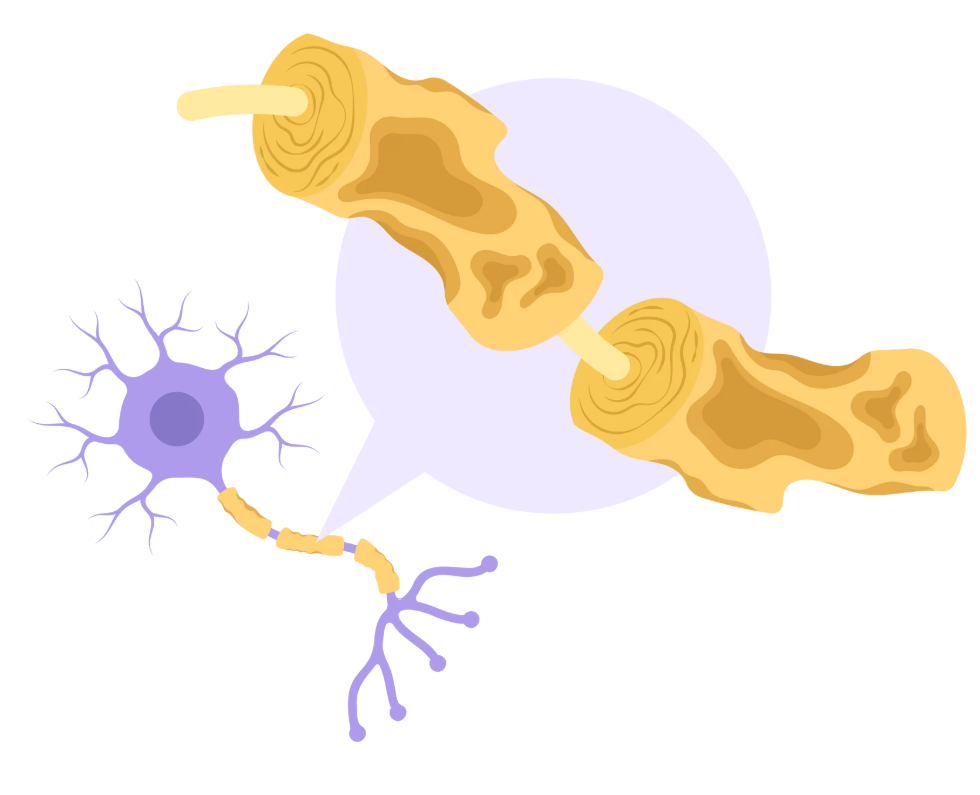
1. The supplied text only states these are storage diseases that affect the nervous system and does not provide further symptom detail
1. Most commonly diagnosed in middle-aged to senior cats and risk increases with age and obesity
2. Cornell indicates diabetes may develop during a cat’s lifetime and older cats are commonly affected
1. General cat lifetime diagnosis is estimated at 1:100 to 1:500 and obesity may raise risk up to 4 times
2. The Korat itself was not identified as specifically predisposed in the supplied source text
1. Onset timing was not specifically stated in the supplied text and early stages may not require treatment for years
1. HCM is common and may affect up to 15% of all cats according to the supplied NC State text
1. Great majority of dogs and cats over 3 years may have a degree of disease and the majority of cats over 2 years of age may be affected
2. Gingivitis is the earliest sign and periodontitis usually occurs after years of plaque accumulation
1. It is probably the most common disease seen in small animal practice and the majority of cats over 2 to 3 years may have disease warranting intervention
1. Onset timing was not specified in the supplied text
1. Probability for Korats was not provided and Merck specifically identifies Persian , Persian-cross and domestic longhair cats rather than Korats
1. Onset timing was not provided in the supplied text
1. low prevalence in responsible breeders.
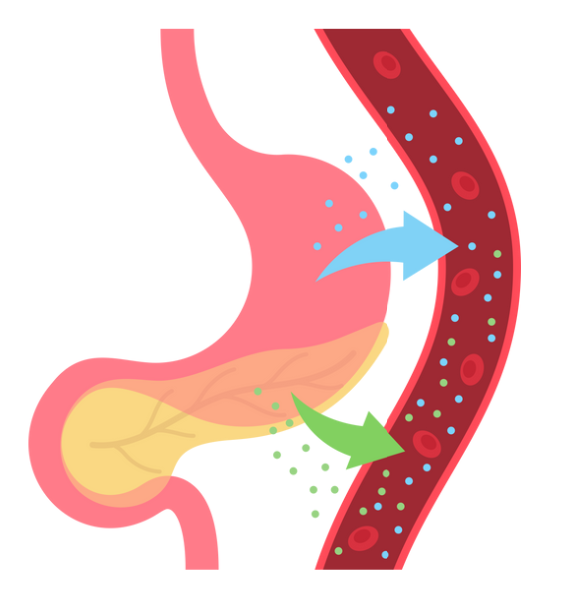
1. This is a metabolic disease and not a deficiency according to the text

1. No chemical deficiency was identified and plaque bacteria are the primary factor

1. No chemical deficiency was identified in the supplied text
1. No chemical deficiency was identified in the supplied text

+852 6358 3131
香港中環德輔道中84-86號章記大廈9樓01室
週一到週日,早上10點到下午9點
 +852 9160 8619
 +852 9160 8619