我們的服務
寵物護理服務
獸醫服務
其他
Length range : 30-38 cm
Height range : 20-25cm
Weight range : 3.6-5.4kg
Coat : Short coat , glossy and soft to silky , resilient in silver and bronze , fine in smoke , easy to maintain.
Life expectancy years : 9-16
Colors: silver|bronze|smoke|black|blue|chocolate|tabby pattern.
Activitity Level : Moderate
Origin: Egypt
Similar Breeds : Bengal|Ocicat|Abyssinian
The breed is strongly linked with ancient Egypt where spotted cats resembling today’s Mau appear in historic art. In the modern breed history , Russian Princess Nathalie Troubetskoy began a breeding program after obtaining Maus in Italy and brought three Maus to the United States in 1956. The breed was accepted for CFA registration in 1970 and advanced to championship status in 1977.
Playful
playful|active|intelligent|loyal|sensitive|curious|social|gentle|athletic|reserved|outgoing
Needs climbing spaces , perches , interactive play , room for exercise , early socialization and a home that can manage sensitivity to sudden noises.
Intensely devoted to owners and family , generally sociable with familiar people and often good with other animals , but cautious or reserved with strangers and easily startled.
The coat is easy to care for and weekly brushing or combing is generally enough to keep it shiny and reduce shedding. Regular nail trimming and ear cleaning when dirty are also useful. Bathing is usually unnecessary unless showing the cat.
Fresh clean water should be available daily. The breed benefits from nutrition that supports an athletic body and from avoiding overfeeding if activity drops. Room to exercise may help body condition.
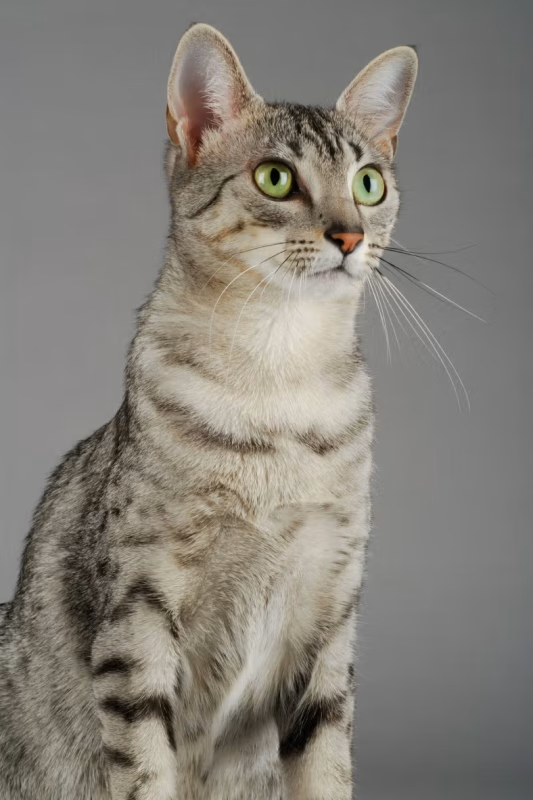
The Egyptian Mau is the only natural domesticated breed of spotted cat and should present as an alert , active , colorful , medium-sized cat with well-developed muscles and balanced temperament. It has a slightly rounded wedge head , large almond eyes , proportionately longer hind legs , medium-long graceful body and a lustrous spotted coat.
Mau means cat in Egyptian. The breed is famed for its naturally spotted coat , gooseberry-green eyes , ancient Egyptian association , and exceptional speed and agility.
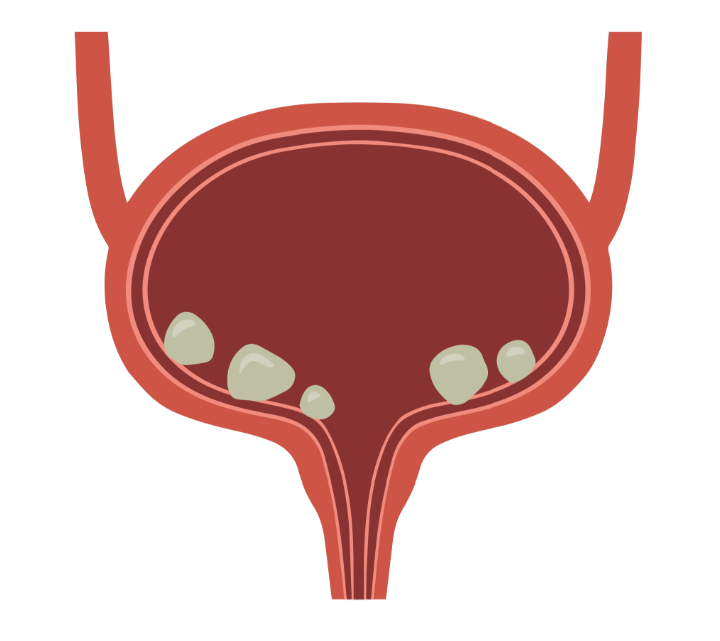
Urate urolithiasis, Hypertrophic cardiomyopathy, Dental disease, Obesity, Anesthesia sensitivity
1. Straining to urinate with little or no output , frequent litter box trips , urinating outside the box , blood in urine , crying while urinating and genital grooming may occur
1. Many cats may show no early signs or only a murmur
2. Later signs may include lethargy , reduced appetite , rapid or labored breathing , open-mouthed breathing and sudden hind-limb pain or paralysis from blood clots
1. Bad breath , red swollen or bleeding gums , tartar , drooling , dropping food , chewing on one side , reduced appetite , loose teeth or tooth loss may occur
1. Ribs or spine may be hard to feel , waistline may be lost , abdomen may look rounded , grooming may become difficult and play may decrease
1. During or after anesthesia there may be hypothermia , prolonged recovery , abnormal heart rhythms or low blood pressure
1. Can occur at any age
2. Often first diagnosed from 1-7 years
1. Moderate
2. The text indicates a higher genetic risk for urate stones than the general cat population
1. May be detected by screening in young adults around 1-3 years
2. Clinical signs may not appear until 3-8+ years or later
1. Low to moderate
2. It is described as a potential concern rather than a highest-risk breed issue
1. Mild signs may begin around 1-2 years
2. Significant disease is often present by 3-4 years without prevention
1. Very high
2. The content suggests this is likely without proactive care
1. Can begin after maturity around 1-2 years especially after spay or neuter if diet is not adjusted
1. Moderate to high for indoor cats without enrichment and portion control
1. Occurs during or immediately after procedures requiring general anesthesia
1. High risk factor if an inappropriate anesthetic protocol is used
1. Water may be lacking and dehydration can concentrate urine
2. The metabolic issue is inborn rather than a simple deficiency

1. Not a chemical deficiency
2. Mechanical plaque removal may be lacking

1. Primarily genetic
2. Taurine is noted as vital because deficiency may cause a different heart condition
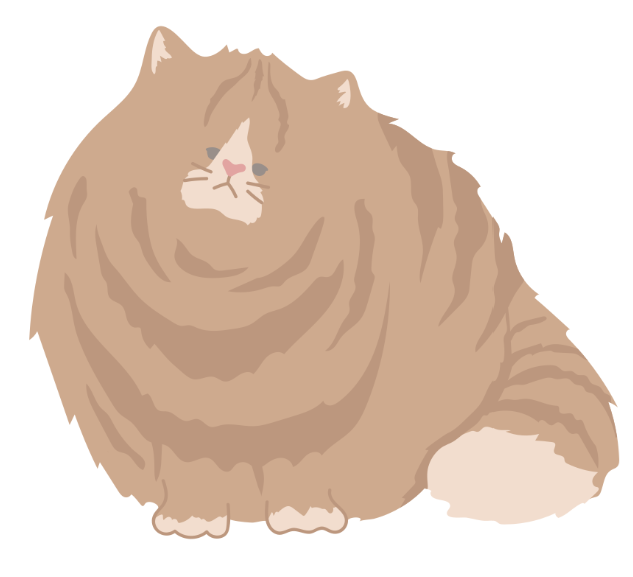
1. Excess calories are the issue rather than deficiency
2. Exercise and portion control may be lacking
1. This is a physiological low-body-fat trait rather than a nutritional deficiency

+852 6358 3131
香港中環德輔道中84-86號章記大廈9樓01室
週一到週日,早上10點到下午9點
 +852 9160 8619
 +852 9160 8619