我們的服務
寵物護理服務
獸醫服務
其他
Length range : 38-46 cm
Height range : 25-30cm
Weight range : 2.3-4.5kg
Coat : Short coat , curly or wavy , soft , fragile , with sparse modified guard hairs and little undercoat.
Life expectancy years : 9-15
Colors: any genetically possible color and pattern|white|blue|black|cream|red|brown|frost|platinum|fawn|chocolate|chestnut|cinnamon|lavender|champagne|seal.
Activitity Level : High
Origin: United Kingdom
Similar Breeds : Cornish Rex|Sphynx|Russian Blue|Selkirk Rex
The breed began in Devon , England when a curly-coated kitten named Kirlee appeared in 1959 or 1960 and was kept by Beryl Cox. Early breeders first thought the coat was related to the Cornish Rex but test breedings showed it was a different mutation. Development then continued as a separate breed and modern Devon Rex cats trace their ancestry back to Kirlee.
Playful
playful|mischievous|intelligent|people-oriented|sociable|energetic|affectionate|vocal|curious|friendly|active
Needs high enrichment , interactive play , climbing space , warmth , careful food control , and often a secure outdoor enclosure or indoor-focused safe environment.
Very people-oriented and thrives on company , does well with children and other pets in many homes , but may dislike being left alone for long periods and may suit calmer or experienced homes best.
The coat needs gentle minimal grooming because brushing may damage or break fragile hair. A soft cloth or light hand grooming may help. Ears often need regular cleaning because of wax and oily buildup and nails should be trimmed.
Nutrition should be controlled carefully because the breed may have a strong appetite and gain weight. Measured feeding , maintaining ideal body condition , high enrichment feeding such as puzzle toys and fresh water access are helpful.
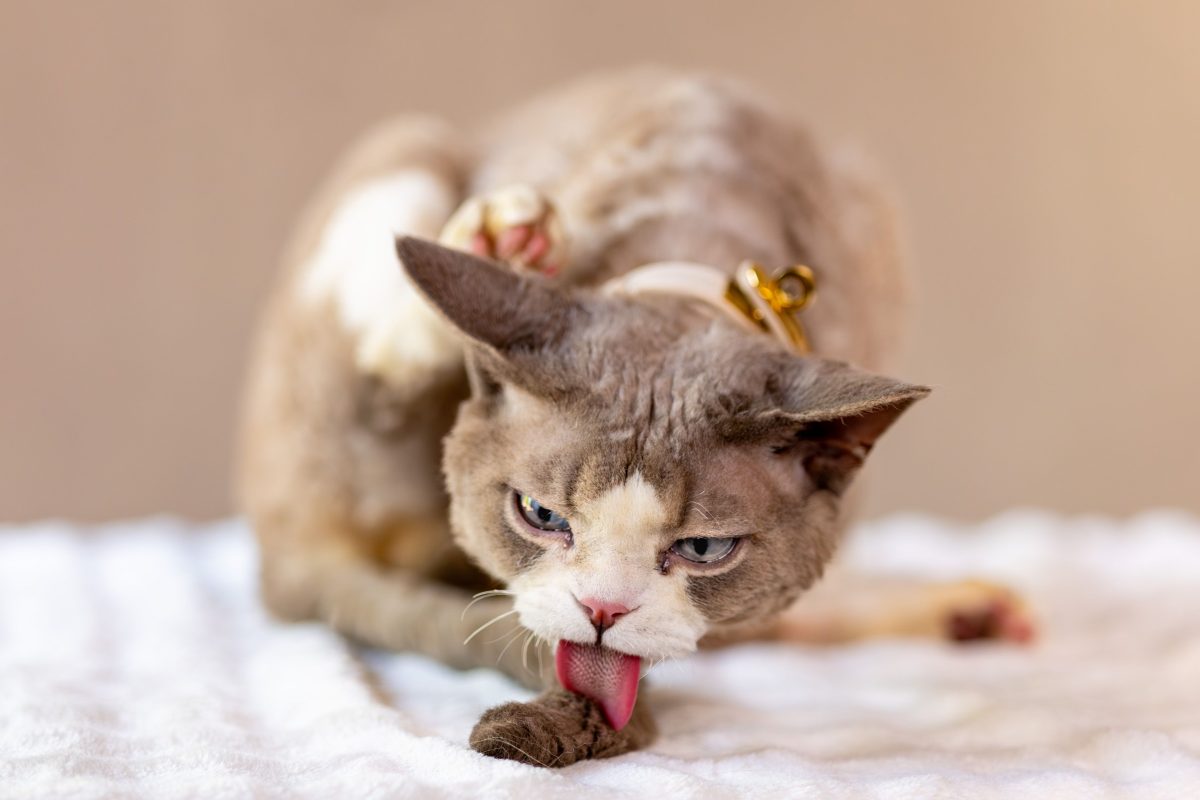
The Devon Rex should have a unique elfin expression with huge low-set ears , large oval eyes , short muzzle and prominent cheekbones. The body is medium fine but muscular with longer hind legs , a long tapering tail and a short soft wavy coat. The breed should appear alert , active and lively.
The Devon Rex is often called a pixie or poodle cat , can learn tricks like fetch , and all modern Devons trace back to Kirlee. Their whiskers are often short and curled and some people say the breed helped inspire an E.T.-like look.
Hereditary myopathy, Patellar luxation, Hypertrophic cardiomyopathy, Skin conditions oily seborrhea and Malassezia dermatitis, Dental disease
1. Generalized muscle weakness , high-stepping gait , head and neck held down , shoulder protrusion , exercise intolerance , collapse , dysphagia and loud breathing or choking sounds may occur
1. Sudden limping , skipping for a few steps , bunny hop gait , persistent limp , crouched stance and reluctance to jump may occur
1. Many cats may show no early signs
2. Later signs may include lethargy , reduced appetite , rapid or labored breathing , open-mouthed breathing and sudden hind limb pain or paralysis from blood clots
1. Greasy or waxy skin , brown-black debris in ears , nail beds or skin folds , itchiness , scratching , licking , hair loss , stud tail and musty odor may occur
1. Bad breath , red swollen or bleeding gums , tartar , drooling , dropping food , reluctance to eat , chewing on one side , loose teeth or tooth loss may occur
1. Usually appears between 3 weeks and 6 months of age
1. Very low in well-bred cats because DNA testing may reduce risk
1. May be detected in kittens
2. Clinical signs may appear from 6 months to a few years
1. Moderate
2. The text indicates it is a recognized inherited problem
1. May be detected by screening in young adults around 1-3 years
2. Clinical signs may not appear until 3-8+ years or later
1. Moderate to high
2. The breed is noted as predisposed and the risk may be significant without screening
1. Can begin as early as 3-4 months and may be lifelong
1. Very high
2. The content suggests this is a very common management issue related to the coat
1. Mild gingivitis may start around 1-2 years
2. Significant tartar or dental disease is often seen by 3-4 years without prevention
1. Very high
2. The text indicates it is likely over a lifetime without proactive care
1. Genetic muscle disorder rather than a nutritional deficiency

1. Primarily genetic
2. Taurine deficiency may cause a different but similar-looking heart condition and CoQ10 with certain B-vitamins are described as important for heart muscle energy
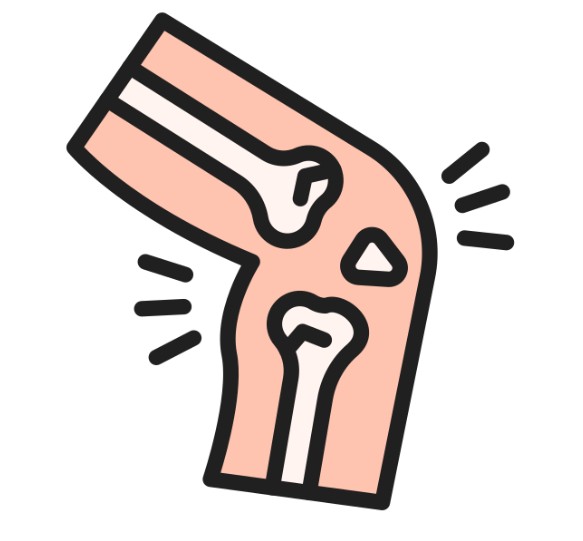
1. Structural disorder rather than chemical deficiency
2. Glucosamine and chondroitin are described as joint-supporting compounds that may be insufficient for added stress
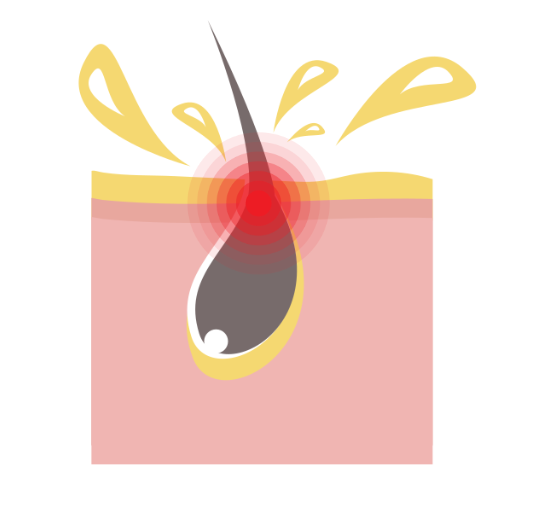
1. Not a deficiency but oil overproduction and flora imbalance
2. Omega-3 and Omega-6 fatty acids are described as important for skin barrier health

1. Not a chemical deficiency
2. Mechanical plaque removal may be lacking

+852 6358 3131
香港中環德輔道中84-86號章記大廈9樓01室
週一到週日,早上10點到下午9點
 +852 9160 8619
 +852 9160 8619