我們的服務
寵物護理服務
獸醫服務
其他
Length range : N/A-N/A cm
Height range : N/A-N/Acm
Weight range : 3.6-5.4kg
Coat : Medium to long , dense , plush double coat with silky texture and breeches or ruff.
Life expectancy years : 8-14 (depends on health situation)
Colors: all Manx-accepted colors and patterns|white|blue|black|red|cream|silver|tortoiseshell|bluecream|brown.
Activitity Level : Moderate to Variable
Origin: United Kingdom
Similar Breeds : Maine Coon|Persian|Japanese Bobtail Shorthair|American Bobtail|American Curl|British Shorthair
The Cymric shares ancestry with the Manx from the Isle of Man where a tail mutation became established in an isolated population. Semi-longhaired Manx kittens have long occurred but Canadian breeders intentionally developed them in the 1960s and recognition broadened in the 1970s. TICA recognized the Cymric and Manx for championship competition in June 1979.
Affectionate
calm|sociable|affectionate|people-orientated|even-tempered|placid|sweet|playful|curious|adaptable|loving
Needs moderate grooming , extensive secure exercise space or enclosed run , daily engagement , play to encourage fitness , and should not be left alone too long.
Forms strong bonds with families , gets on with children and other pets when properly introduced , sociable and dependent but may cope with time alone in some homes , may dislike very busy or noisy homes with very young children.
Daily grooming is often needed because the long dense double coat can mat. Brush more during shedding. Start grooming and tooth brushing young and keep eyes , nose and ears clean.
Nutrition should be controlled strictly because the breed can become overweight quickly. Wet meals , measured feeding , high-protein intake and fresh clean water may help. Food-dispensing toys can encourage movement.
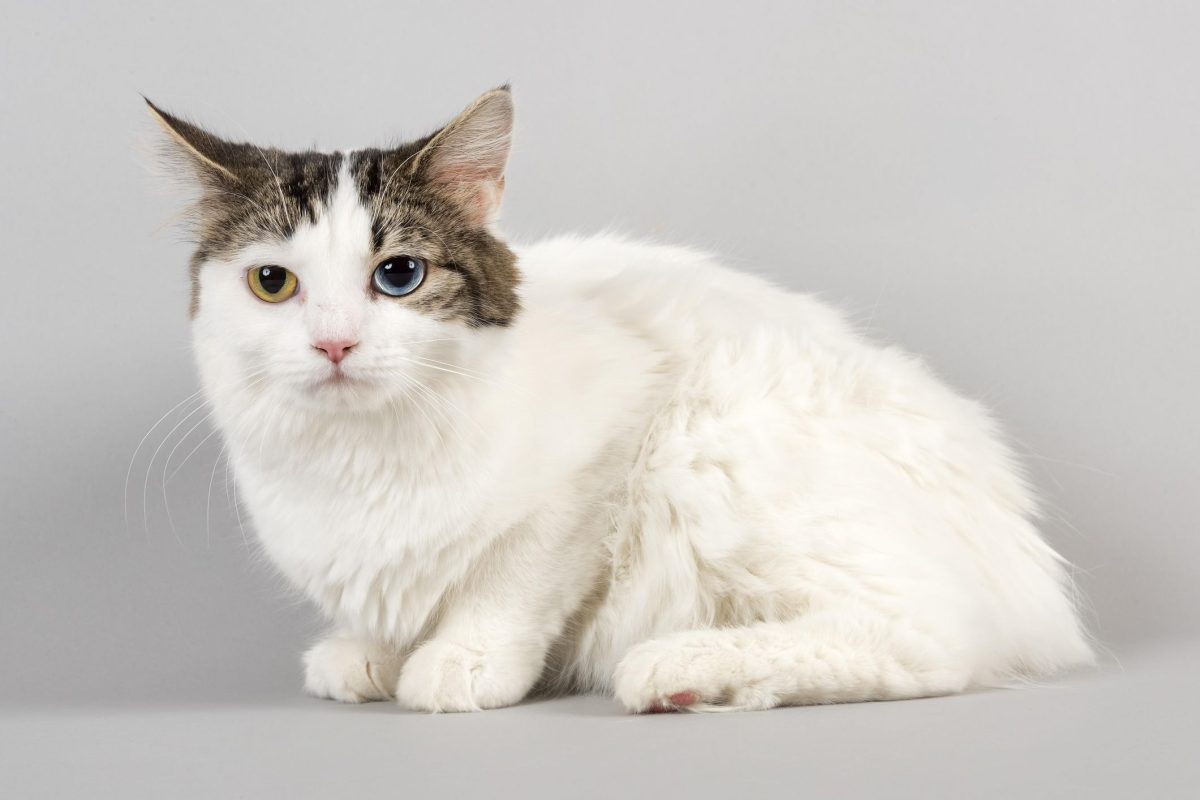
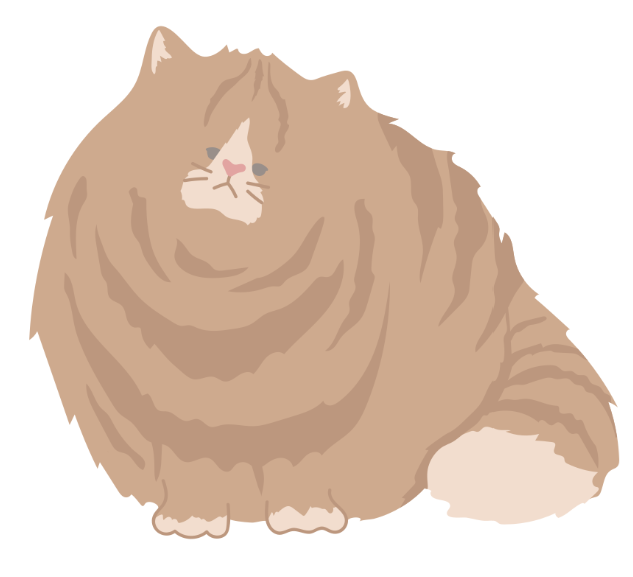
The Cymric should appear medium-sized , compact , muscular , rounded and often tailless with a round head , round eyes , round rump , short front legs , higher hindquarters and a smooth arch from shoulders to rump.
The breed may look like a bowling ball when running , shares Manx ancestry , may be called rumpy , rumpy-riser , stumpy or longie depending on tail length , and the name Cymric comes from a Celtic word for Welsh.
Manx syndrome, Arthritis, Obesity, Feline lower urinary tract disease, Dental disease
1. Difficulty walking , bunny-hopping gait , hind leg weakness or stiffness may occur
2. Fecal incontinence , urinary incontinence , constipation , megacolon , hind limb paralysis or a small misshapen anal opening may occur
1. Reluctance to jump , stiffness after waking , reduced activity , sleeping more , less grooming of lower back or hindquarters , irritability or altered gait may occur
1. Ribs or spine may be hard to feel
2. Visible waistline loss , abdominal fat pouch , lethargy , reduced play and grooming difficulty may occur
1. Difficult or painful urination , frequent attempts , crying while urinating , blood in urine , inappropriate urination and genital licking may occur
2. Obstruction may cause little or no urine and severe distress
1. Bad breath , red swollen or bleeding gums , drooling , reluctance to eat , soft food preference , tartar buildup , loose teeth or tooth loss may occur
1. Present from birth
2. Symptoms are often apparent by weaning
3. Monitoring to 4-6 months may reveal affected kittens
1. Moderate to high
2. up to 20-30% of tailless Manx or Cymric cats may be affected to some degree
1. May begin in middle age around 4-7 years
2. It may become more common in senior cats over 10 years
1. Very high
2. suggests many Cymrics may develop some degree with age and altered conformation
1. May begin after maturity around 1-2 years especially after neuter if diet is not adjusted
1. High due to rounded build , appetite and placid tendency
1. Can occur at any age
2. Most often seen in middle-aged overweight low-exercise cats that drink less water
1. High
2. It is a common feline problem and overweight indoor low-exercise cats may be at increased risk
1. Mild gingivitis may start by age 1-2
2. Many cats over 4 years may show dental disease and significant disease may be present by age 3-4 without prevention
1. Very high
2. Studies indicate 50-90% of cats older than four years may suffer some form of dental disease
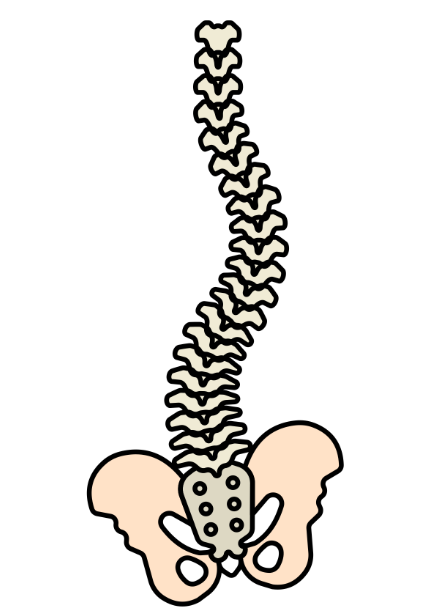
1. Severe genetic and structural defect rather than a nutritional deficiency
1. Not a deficiency
2. The lacking elements may be sufficient exercise and portion control
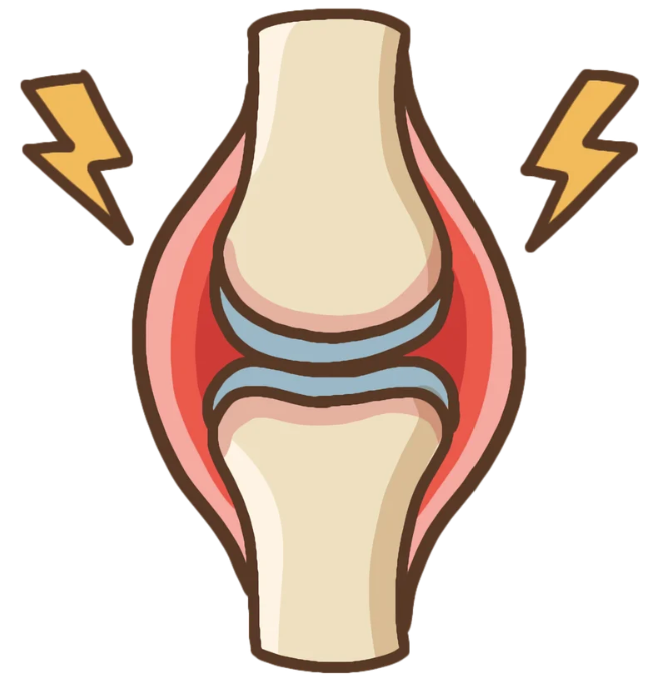
1. Natural production of joint-lubricating compounds may decrease with age and wear
2. Glucosamine and chondroitin are named as key components in the supplied text

1. Water may be the main missing component because concentrated urine may irritate the bladder and promote crystal formation

1. Not a chemical deficiency
2. Mechanical plaque removal and adequate oral hygiene may be lacking

+852 6358 3131
香港中環德輔道中84-86號章記大廈9樓01室
週一到週日,早上10點到下午9點
 +852 9160 8619
 +852 9160 8619