我們的服務
寵物護理服務
獸醫服務
其他
Length range : N/A-N/A cm
Height range : N/A-N/Acm
Weight range : N/A-3.6kg
Coat : Short , extremely soft , silky , dense , wavy or marcel-curled coat with no guard hairs.
Life expectancy years : 12-16 (depends on health situation)
Colors: white|blue|black|cream|red|brown|frost|platinum|fawn|chocolate|chestnut|cinnamon|lavender|champagne|seal|all colors|all patterns.
Activitity Level : High
Origin: United Kingdom
Similar Breeds : Devon Rex|Siamese|British Shorthair
The breed began in Cornwall , England in 1950 when a curly-coated kitten named Kallibunker was born from a spontaneous mutation. Early breeding established the recessive coat gene and helped found the breed. Cornish Rex were brought to the United States in the 1950s and were accepted for CFA registration in 1962 before achieving championship status two years later.
Playful
active|playful|sociable|vocal|affectionate|intelligent|alert|adaptable|adventurous|loyal|loving|energetic|clownish|athletic|devoted
Needs substantial exercise , space to run and climb , family interaction , and an outdoor enclosure or supervised outdoor safety. May also need protection from cold and sun because the coat is fragile and sparse.
High social needs. The breed likes to be with people , is often described as a lap cat or Velcro kitty , gets along with children , cats , and dogs , and may not enjoy being left alone for long periods.
Regular combing is usually not needed because of the short close coat. Ears may need frequent cleaning because wax can build up. Occasional bathing may help if the skin becomes greasy. Nails and teeth also need routine care and the breed may need warmth because it chills easily.
Nutrition should help maintain a lean body condition because Cornish Rex cats are active but may overeat. Fresh water should always be available and portion awareness may help prevent excess weight gain.
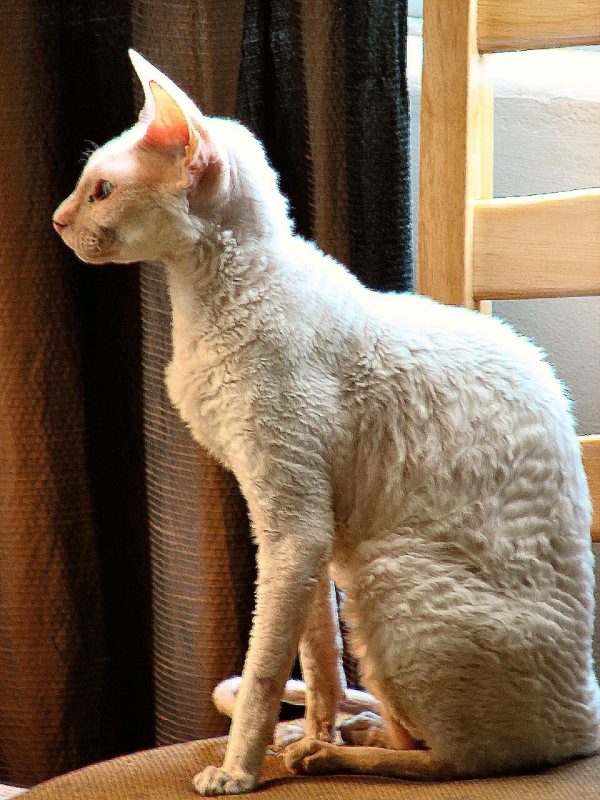
The breed standard describes a small to medium , fine-boned , muscular , racy cat with an egg-shaped head , Roman nose , large high-set ears , oval slightly upward slanting eyes , long slender legs , long flexible tail , arched back , tucked-up waistline , and a short , dense , extremely soft coat in tight uniform marcel waves lying close to the body.
The Cornish Rex is often called the Greyhound of the cat world and is known for staying playful into old age.
Skin conditions, Dental disease, Hypertrophic cardiomyopathy, Patellar luxation, Congenital hypotrichosis
Skin conditions -> 1. Oily or greasy skin , waxy or black debris in nail beds and folds , scratching , licking , red irritated skin and musty odor may occur 2. Sunburn may cause red , painful , peeling skin on ears , nose and eyelids
Dental disease -> 1. Bad breath , red swollen or bleeding gums , tartar buildup , drooling , mouth pawing and dropping food may occur 2. Cats may prefer soft food or chew on one side
Hypertrophic cardiomyopathy -> 1. Early disease may be asymptomatic and a murmur or gallop rhythm may be the first sign 2. Lethargy , rapid resting breathing above 40 breaths per minute , open-mouth breathing , collapse or sudden painful hind leg paralysis from a clot may occur
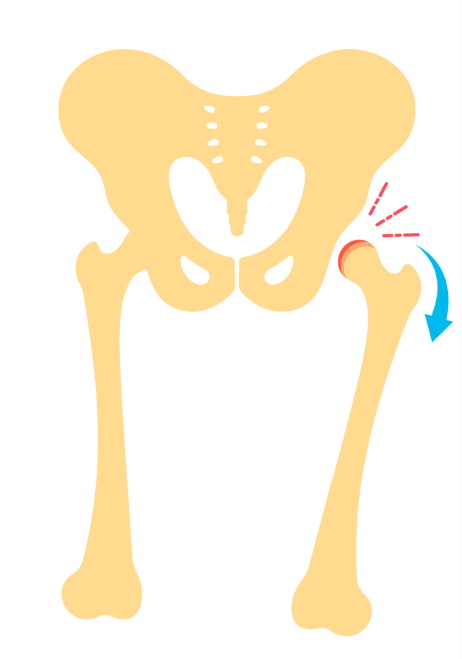
Patellar luxation -> 1. An intermittent bunny hop or skipping gait may occur 2. Brief pain , persistent lameness , difficulty jumping and crouched stance may appear in more severe cases
Congenital hypotrichosis -> 1. Marked lack of hair at birth or failure to develop a normal coat may occur 2. Skin may remain exposed and vulnerable
1. Oily skin and waxy buildup may be noticeable from under 1 year
2. Yeast flare-ups may occur at any time and may be linked to allergies or humidity
1. High 2. The text indicates many Cornish Rex may need lifelong skin and nail bed maintenance
1. Mild gingivitis may begin by age 1 to 2
2. Many cats may show some dental disease by age 3 without prevention
1. Very high 2. It indicates significant dental disease is likely without preventive care
1. May be detected by screening as early as 1 to 2 years
2. Clinical signs often appear in adult to middle-aged cats around 2 to 8 years
1. Moderate 2. Responsible breeder screening may reduce risk
1. Often first noticed from 6 months to 2 years
2. Arthritis secondary to the condition may develop later
1. Moderate 2. Severity may range from mild Grade 1 to severe Grade 4
1. Present from birth
1. Very low from reputable breeders 2. Higher from untested sources
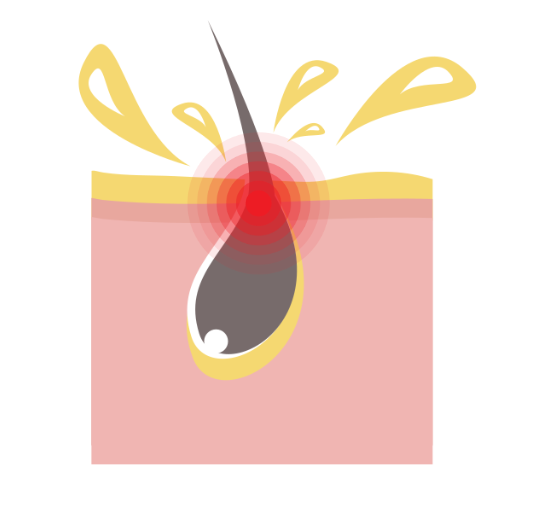
1. Not a deficiency disorder
2. The core issue may involve excess sebum and reduced protective fur

1. Primarily genetic and not due to a deficiency

1. Mechanical abrasion for cleaning teeth may be lacking rather than any chemical deficiency
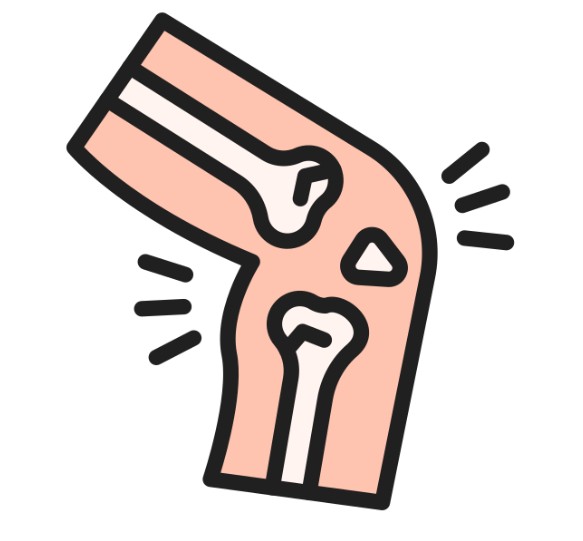
1. Structural or genetic rather than a deficiency
2. Reduced joint-supporting nutrients may worsen later arthritis

1. Genetic hair follicle defect rather than a nutritional deficiency

+852 6358 3131
香港中環德輔道中84-86號章記大廈9樓01室
週一到週日,早上10點到下午9點
 +852 9160 8619
 +852 9160 8619