
我們的服務
寵物護理服務
獸醫服務
其他
Length range : 38-46 cm
Height range : 23-28cm
Weight range : 4.1-5kg
Coat : Medium-short to medium , dense , woolly , resilient , water-resistant blue-gray coat with insulating undercoat.
Life expectancy years : 11-15 (depends on health situation)
Colors: blue-gray|ash|slate|silver.
Activitity Level : Low
Origin: France
Similar Breeds : British Shorthair|Russian Blue
References to blue cats of France date to the 16th century. Selective breeding in France began in the 1920s from natural colonies of French blue cats. The breed nearly disappeared during World War II but was preserved by dedicated breeders and imported to North America in 1970. Legends connect the breed with Carthusian monks , though the name may also relate to Spanish wool resembling the coat.
Gentle
gentle|calm|placid|loyal|loving|adaptable|intelligent|playful|quiet|observant|affectionate|easygoing|devoted|amiable|attentive
Needs regular combing , controlled nutrition to prevent excess weight , interactive play , hunting-style games , scratching options , and routine nail , ear , and dental care.
Moderate social needs with loyal attachment to family. The breed is affectionate but polite and not demanding , can play alone , and is generally comfortable with single people , families , and some time by itself.
The Chartreux needs regular combing and more grooming during seasonal shedding. Daily brushing may be useful when the coat is thickening or thinning. Nails , ears , and teeth should be maintained regularly.
Nutrition should be carefully controlled because mature Chartreux can gain excess weight. Good hydration is important , and interactive feeding or portion control may help maintain body condition. For urinary concerns , consistent feeding and adequate water intake may be helpful.
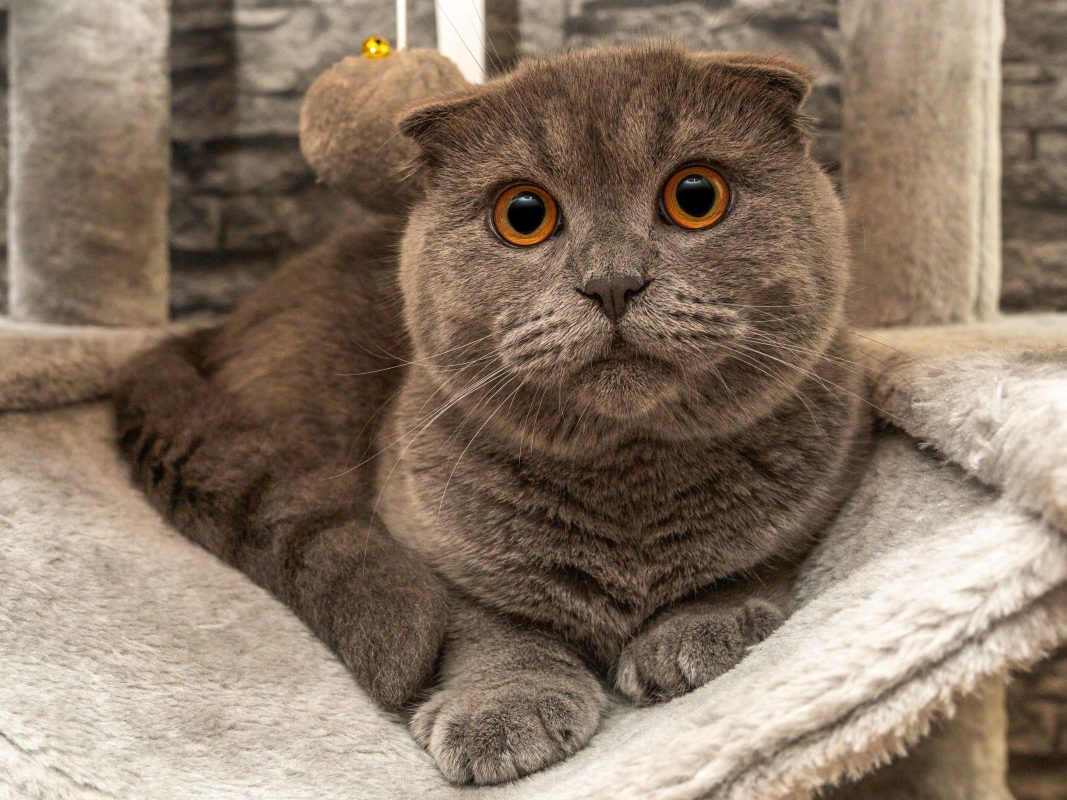
The breed standard describes a sturdy French breed with a robust yet agile body , broad rounded head , narrow tapered muzzle creating a smile , erect medium ears , round expressive copper-to-gold eyes , comparatively short fine-boned legs , and a medium-short woolly blue-gray coat with resilient undercoat. Males are larger and slower to mature.
The Chartreux is often said to smile , is associated with French blue cats in literature from the 16th century , and many have tiny voices or are nearly mute. Some learn to retrieve toys or walk on a leash.
Patellar luxation, Dental disease, Feline lower urinary tract disease, Hypertrophic cardiomyopathy, Obesity
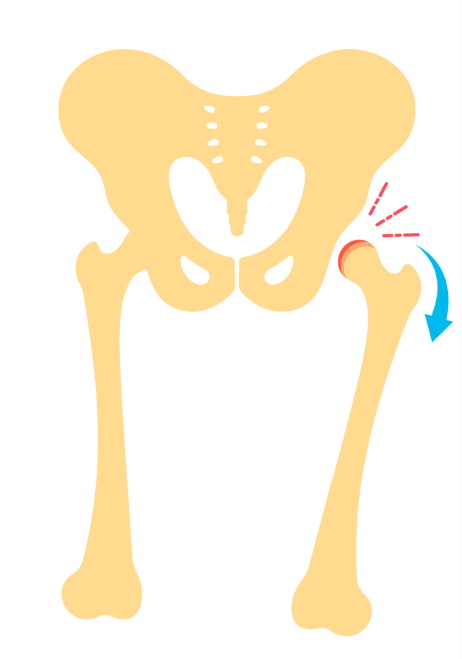
Patellar luxation -> 1. Intermittent bunny hop or skipping gait may occur 2. Brief hind leg lifting , sudden lameness , yelping , arthritis , persistent lameness and muscle wasting may appear
Dental disease -> 1. Bad breath , red or bleeding gums and visible tartar may occur 2. Drooling , pawing at the mouth , dropping food and reluctance to eat hard food may appear
Feline lower urinary tract disease -> 1. Straining to urinate , frequent litter box visits , blood in urine and urinating outside the box may occur 2. Crying while urinating and genital licking may occur 3. Obstruction may cause little or no urine , distress , lethargy , vomiting and pain
Hypertrophic cardiomyopathy -> 1. Early disease may show no signs and a murmur may be first noticed 2. Lethargy , increased resting respiratory rate , open-mouth breathing or painful sudden hind leg paralysis from a clot may occur
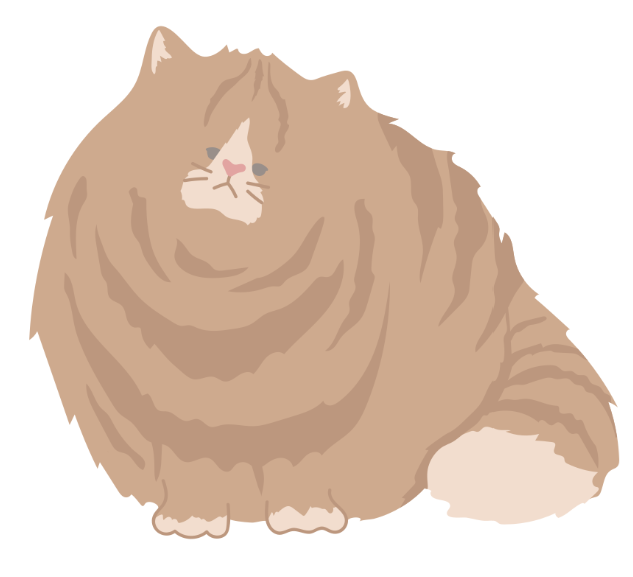
Obesity -> 1. Loss of waistline , difficulty feeling ribs , reduced activity , poor grooming and difficulty jumping may occur
1. Often first noticed from late kittenhood to young adulthood at about 6 months to 2 years
2. Arthritis-related impact may become more evident in middle age
1. Moderate
2. The content suggests it is a known breed-related issue with severity ranging from mild to severe
1. Mild tartar and gingivitis may begin by 1 to 2 years
2. Many cats may show disease by age 3 without prevention
1. Very high
2. It indicates this is the most common health issue in adult cats including Chartreux
1. Can occur at any age
2. Most common in young to middle-aged cats and often around 2 to 6 years
1. Moderate to high
2. Male cats may be at much higher risk for life-threatening obstruction
1. A murmur may be detected in young adulthood
2. Clinical signs often appear in middle age from about 3 to 8 years or later
1. Low to moderate
2. It may affect any cat and is a general feline concern rather than a top Chartreux-specific risk
1. May begin after sterilization around 1 year
2. Often becomes more evident in adulthood from about 2 to 8 years
1. High
2. The breed future and care text indicate weight gain can be a problem in mature Chartreux
1. Structural or genetic issue rather than a deficiency
2. A lack of joint-supporting nutrients may worsen arthritis

1. Water may be lacking because concentrated urine can favor crystal formation

1. Bacterial and plaque-related issue rather than a deficiency
2. Mechanical abrasion for tooth cleaning may be lacking

1. Genetic or idiopathic heart disease rather than a deficiency
1. Excess calories rather than a deficiency

+852 6358 3131
香港中環德輔道中84-86號章記大廈9樓01室
週一到週日,早上10點到下午9點
 +852 9160 8619
 +852 9160 8619