我們的服務
寵物護理服務
獸醫服務
其他
Length range : 38-46 cm
Height range : 25-30cm
Weight range : 2.7-6.4kg
Coat : Short , fine , smooth , glossy , satin-like close-lying coat.
Life expectancy years : 16-18
Colors: sable|champagne|blue|platinum|lilac|fawn|red|cream|chocolate|cinnamon|tortoiseshell.
Activitity Level : Variable
Origin: Myanmar
Similar Breeds : Tonkinese|Bombay
Modern Burmese trace largely to Wong Mau , brought from Burma to the United States in 1930 and bred by Dr. Joseph C. Thompson to define the breed. CFA began registering early Burmese in 1936 and championship status came later. The breed also developed in Great Britain with differing standards , and dilute colors that appeared over time were eventually accepted as sable , champagne , blue , and platinum.
Affectionate
affectionate|playful|sociable|energetic|confident|people-oriented|curious|clever|friendly|sweet-tempered|loyal|intelligent|soft-spoken|dependent|mischievous|tolerant
Needs high attention , daily play , climbing and perching opportunities , companionship , weight control , and routine coat , nail , ear , and dental care.
Very high social needs. Burmese usually bond closely with people , do well with children , often tolerate other pets , and may become lonely if left alone for long periods. Keeping another pet for company may help.
The Burmese is low maintenance. Weekly brushing with a rubber brush is usually enough to remove dead hair and keep the coat glossy. Nails , ears , and teeth should also be maintained regularly.
A high-quality diet and exercise are important because the breed can become overweight. Fresh clean water should always be available. For diabetes-prone cats , lower-carbohydrate feeding and lean body condition may be beneficial according to the provided health text.
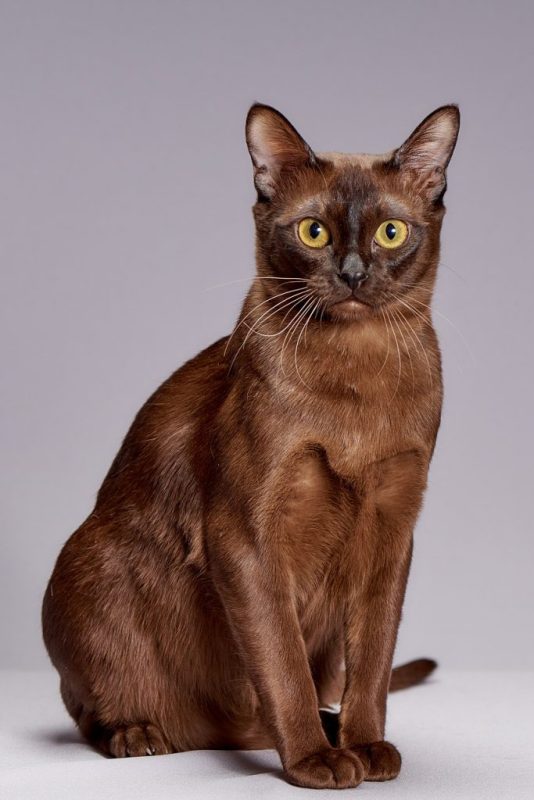
The breed standard describes a medium-sized cat with substantial bone structure , strong muscular development , surprising weight for size , rounded head , large expressive eyes , broad short muzzle , medium ears , level back , rounded chest , straight medium tail , and a short fine glossy close-lying coat. Excellent muscle tone without obesity is expected.
Originally most Burmese were dark brown sable. The breed traces to Wong Mau and later developed distinct recognized colors. Burmese often remain playful into adulthood and are famous for their close attachment to people.
Diabetes mellitus , Hypokalemic polymyopathy , Feline orofacial pain syndrome , Brachycephalic-related dental and breathing issues , Burmese head defect
1. Increased thirst / increased urination / increased appetite with weight loss may occur 2. Lethargy / poor coat / weakness or plantigrade stance may appear
1. Episodic muscle weakness / stiff or crouched walk and head droop may occur 2. Tremors / reluctance to move and general weakness may appear
1. Frantic licking / chewing or pawing at the mouth may occur 2. Clawing at the face / distress with eating and inability to eat during episodes may appear
1. Tooth crowding / tartar buildup / gingivitis / periodontal disease / snoring or snuffling may occur 2. Excessive tearing and skin irritation below the eyes may appear
1. Severe craniofacial deformity is present at birth 2. Incomplete skull formation and exposed brain tissue may occur
1. Most often diagnosed in middle-aged to senior cats over 6 years
2. Risk rises with overweight status
1. Very high
2. Burmese have a significant predisposition and obesity may raise risk further
1. Usually appears in young cats from about 2 to 10 months
1. Low from tested reputable lines
2. Moderate from untested sources
1. May occur at any age
2. Often first appears around permanent tooth eruption at about 6 to 8 months or in young adulthood
1. Moderate
2. It indicates a meaningful breed-related predisposition
1. Breathing noise may be present from kittenhood
2. Dental disease may become clinically important from about 1 to 3 years without preventive care
1. High
2. Dental severity may be almost guaranteed without proactive care
1. Present at birth
1. Extremely low from responsible breeders
2. Risk mainly remains in untested sources
1. Potassium may be lacking because the body cannot retain it properly
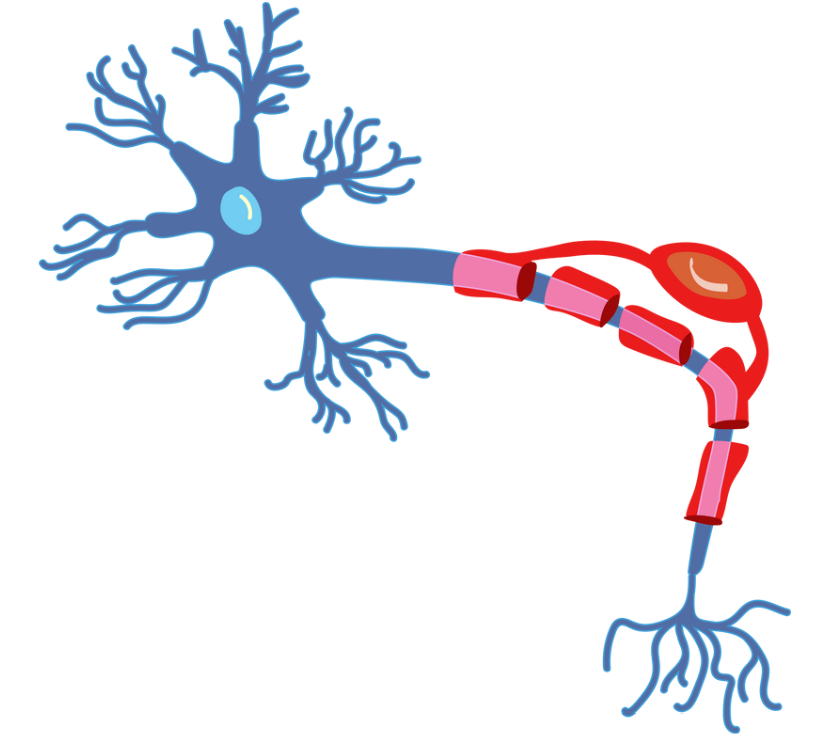
1. Neurological disorder rather than a deficiency
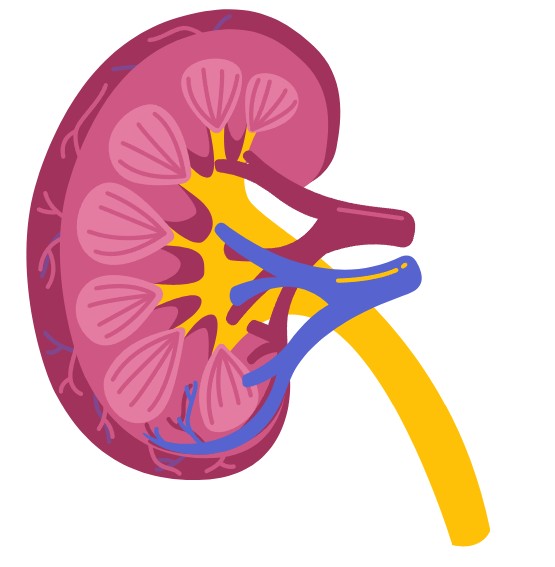
1. Potassium may be lacking because the body cannot retain it properly

1. Structural issue rather than a deficiency
2. Lack of mechanical abrasion may worsen dental disease

1. Genetic mutation rather than a deficiency

+852 6358 3131
香港中環德輔道中84-86號章記大廈9樓01室
週一到週日,早上10點到下午9點
 +852 9160 8619
 +852 9160 8619