我們的服務
寵物護理服務
獸醫服務
其他
Length range : 33-56 cm
Height range : 28-36cm
Weight range : 2.7-5kg
Coat : Short , fine , dense , close-lying , glossy black coat with a satin or patent-leather sheen.
Life expectancy years : 12-16
Colors: black.
Activitity Level : Moderate
Origin: United States
Similar Breeds : American Shorthair|Burmese
The breed was developed in the United States in the 1960s by crossing a black American Shorthair with a Burmese to create a distinct black cat with a panther-like look. Nikki Horner began the program in the mid-1960s and CFA accepted Bombays for registration in 1970 before championship status in 1976. The breed name was inspired by the black leopard of India and the city of Bombay.
Affectionate
affectionate|playful|outgoing|intelligent|inquisitive|easy-going|adaptable|curious|social|lap-loving|attention-seeking|alert|friendly|cuddly
Needs regular human interaction , daily play , climbing or perching opportunities , and careful weight management. The breed benefits from attention , toys , and family involvement and may be unhappy if left alone for long periods.
Very people-oriented and sociable. Bombays often want to be near family members , may enjoy visitors , can bond with children and other pets when introduced properly , and may prefer not to be left alone for long stretches.
The short fine coat is easy to maintain. Weekly brushing is usually enough and a rubber curry brush can help remove loose hair. Nails , ears , and teeth should be maintained regularly.
Bombays benefit from a high-quality balanced diet and fresh water. Because they are sturdy and can gain weight easily , measured feeding and exercise are important. Weight control may also help reduce diabetes risk and breathing strain.
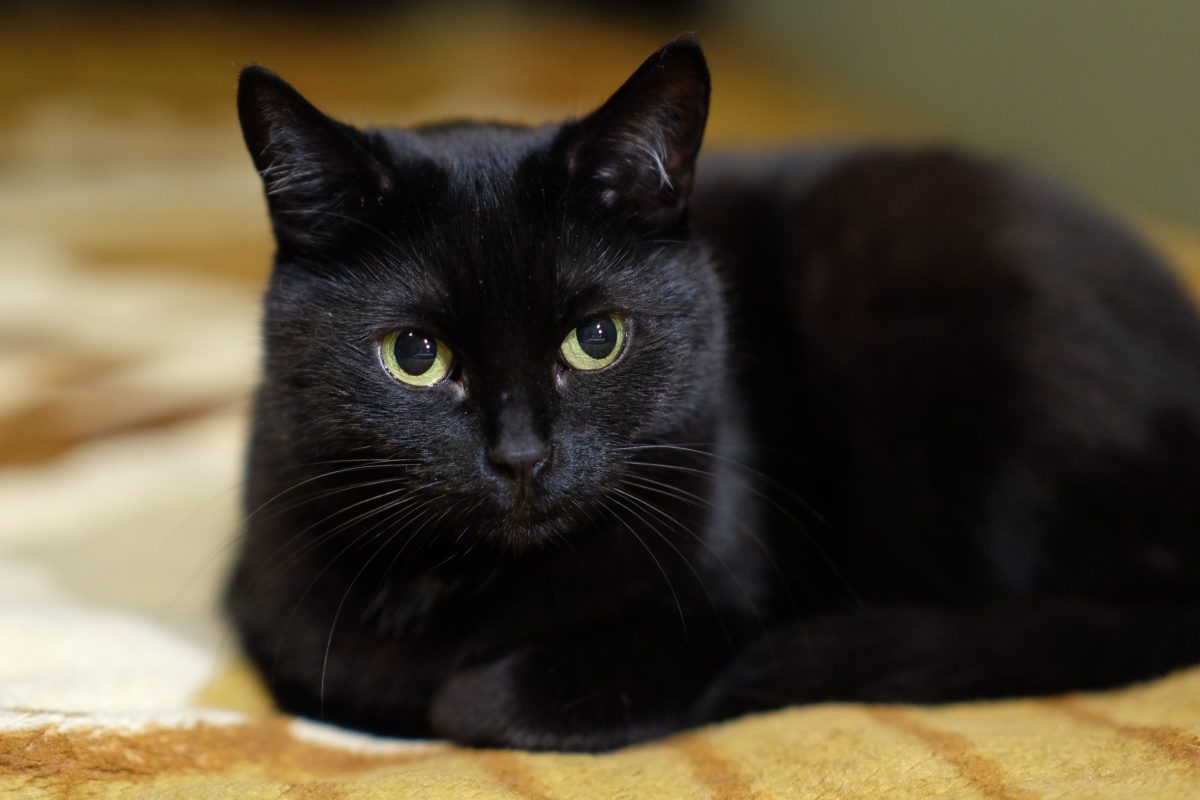
The breed standard describes a medium-size well-balanced muscular cat with surprising weight for its size , a rounded head , medium wide-set ears , rounded wide-set eyes , medium body and tail length , and a fine short close-lying black coat with gold to copper eyes.
The Bombay is often called a mini-panther or the patent-leather kid with the new-penny eyes. It may sway when walking and often feels heavier than it looks.
Brachycephalic-related conditions , Hypertrophic cardiomyopathy , Diabetes mellitus , Obesity , Hypokalemic polymyopathy
Brachycephalic-related conditions -> 1. Snoring , snorting , audible breathing , open-mouth breathing after exertion 2. Exercise intolerance , excessive tearing 3. Malocclusion , overcrowding , plaque buildup , gingivitis and periodontal disease may occur || Hypertrophic cardiomyopathy -> 1. May show no early signs 2. Heart murmur or gallop rhythm may be found 3. Lethargy , rapid breathing , open-mouth breathing , fainting , hind leg paralysis and pain from thromboembolism may occur || Diabetes mellitus -> 1. Increased thirst , increased urination , increased appetite with weight loss 2. Lethargy , poor coat condition 3. Hind leg weakness from neuropathy may occur || Obesity -> 1. Ribs become harder to feel 2. Waist may disappear , belly may sag 3. Reluctance to jump or play and lower activity may occur || Hypokalemic polymyopathy -> 1. Episodic muscle weakness 2. Stiff gait , reluctance to walk , drooped head 3. Muscle pain and tremors may occur
Brachycephalic-related conditions -> 1. Snoring , snorting , audible breathing , open-mouth breathing after exertion 2. Exercise intolerance , excessive tearing 3. Malocclusion , overcrowding , plaque buildup , gingivitis and periodontal disease may occur || Hypertrophic cardiomyopathy -> 1. May show no early signs 2. Heart murmur or gallop rhythm may be found 3. Lethargy , rapid breathing , open-mouth breathing , fainting , hind leg paralysis and pain from thromboembolism may occur || Diabetes mellitus -> 1. Increased thirst , increased urination , increased appetite with weight loss 2. Lethargy , poor coat condition 3. Hind leg weakness from neuropathy may occur || Obesity -> 1. Ribs become harder to feel 2. Waist may disappear , belly may sag 3. Reluctance to jump or play and lower activity may occur || Hypokalemic polymyopathy -> 1. Episodic muscle weakness 2. Stiff gait , reluctance to walk , drooped head 3. Muscle pain and tremors may occur
Brachycephalic-related conditions -> 1. Snoring , snorting , audible breathing , open-mouth breathing after exertion 2. Exercise intolerance , excessive tearing 3. Malocclusion , overcrowding , plaque buildup , gingivitis and periodontal disease may occur || Hypertrophic cardiomyopathy -> 1. May show no early signs 2. Heart murmur or gallop rhythm may be found 3. Lethargy , rapid breathing , open-mouth breathing , fainting , hind leg paralysis and pain from thromboembolism may occur || Diabetes mellitus -> 1. Increased thirst , increased urination , increased appetite with weight loss 2. Lethargy , poor coat condition 3. Hind leg weakness from neuropathy may occur || Obesity -> 1. Ribs become harder to feel 2. Waist may disappear , belly may sag 3. Reluctance to jump or play and lower activity may occur || Hypokalemic polymyopathy -> 1. Episodic muscle weakness 2. Stiff gait , reluctance to walk , drooped head 3. Muscle pain and tremors may occur
Brachycephalic-related conditions -> 1. Snoring , snorting , audible breathing , open-mouth breathing after exertion 2. Exercise intolerance , excessive tearing 3. Malocclusion , overcrowding , plaque buildup , gingivitis and periodontal disease may occur || Hypertrophic cardiomyopathy -> 1. May show no early signs 2. Heart murmur or gallop rhythm may be found 3. Lethargy , rapid breathing , open-mouth breathing , fainting , hind leg paralysis and pain from thromboembolism may occur || Diabetes mellitus -> 1. Increased thirst , increased urination , increased appetite with weight loss 2. Lethargy , poor coat condition 3. Hind leg weakness from neuropathy may occur || Obesity -> 1. Ribs become harder to feel 2. Waist may disappear , belly may sag 3. Reluctance to jump or play and lower activity may occur || Hypokalemic polymyopathy -> 1. Episodic muscle weakness 2. Stiff gait , reluctance to walk , drooped head 3. Muscle pain and tremors may occur
Brachycephalic-related conditions -> 1. Snoring , snorting , audible breathing , open-mouth breathing after exertion 2. Exercise intolerance , excessive tearing 3. Malocclusion , overcrowding , plaque buildup , gingivitis and periodontal disease may occur || Hypertrophic cardiomyopathy -> 1. May show no early signs 2. Heart murmur or gallop rhythm may be found 3. Lethargy , rapid breathing , open-mouth breathing , fainting , hind leg paralysis and pain from thromboembolism may occur || Diabetes mellitus -> 1. Increased thirst , increased urination , increased appetite with weight loss 2. Lethargy , poor coat condition 3. Hind leg weakness from neuropathy may occur || Obesity -> 1. Ribs become harder to feel 2. Waist may disappear , belly may sag 3. Reluctance to jump or play and lower activity may occur || Hypokalemic polymyopathy -> 1. Episodic muscle weakness 2. Stiff gait , reluctance to walk , drooped head 3. Muscle pain and tremors may occur
1. Breathing noise may be present from kittenhood
2. Dental signs often become clinically important from 1 to 3 years without prevention
1. Very high
2. Some level of conformational breathing or dental crowding may occur because of facial structure
1. Screening may detect changes from about 1 year
2. Clinical signs often appear in young to middle-aged cats around 2 to 6 years but may occur at any age
1. Moderate
2. Risk may be lower if breeding cats are screened by echocardiogram
1. Most often diagnosed in middle-aged to senior cats over 6 years especially if overweight
1. High
2. Obesity may greatly increase risk
1. May begin after spay or neuter around 1 year and progress through adulthood if unmanaged
1. Very high
2. The content suggests this is one of the most common preventable issues in the breed
Hypokalemic polymyopathy ->
1. Usually appears in young cats from about 2 to 10 months
1. Low
2. Risk may be very low from tested lines and higher from untested sources

Brachycephalic-related conditions ->
1. Structural conformation issue rather than a deficiency
2. Lack of mechanical abrasion from soft-only diet may worsen dental disease
Diabetes mellitus ->
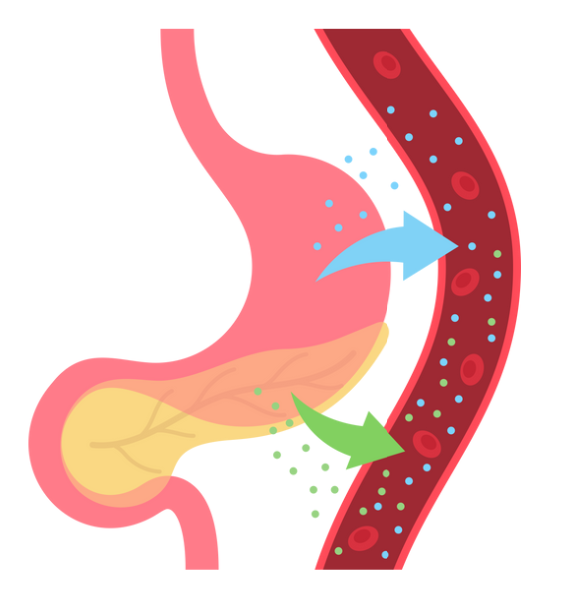
1. Metabolic carbohydrate intolerance rather than a simple deficiency
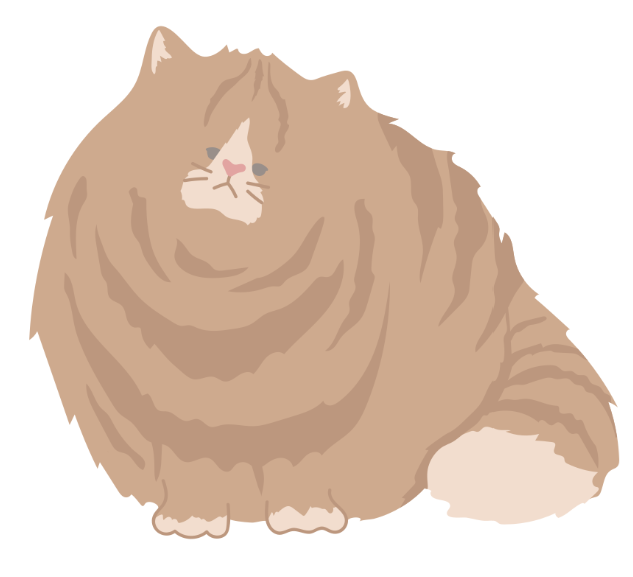
1. Energy imbalance from excess calories rather than lack of a chemical

1. Potassium regulation is impaired and low potassium is central to the disorder

1. Usually genetic rather than caused by deficiency
2. Taurine lack is only noted as a cause of a different similar heart condition

+852 6358 3131
香港中環德輔道中84-86號章記大廈9樓01室
週一到週日,早上10點到下午9點
 +852 9160 8619
 +852 9160 8619