我們的服務
寵物護理服務
獸醫服務
其他
Length range : 30.0-38.0 cm
Height range : 20.0-25.0cm
Weight range : 4.0-7.0kg
Coat : Short to short-medium , short & silky , dense , resilient , smooth , glossy coat with spotted or marbled misted pattern.
Life expectancy years : 15-17 (depends on health situation)
Colors: brown, blue, chocolate, lilac, caramel, gold, peach, spotted, marbled.
Eye Colors: Green
Activitity Level : Medium
Origin: Australia
Similar Breeds : Burmese, Abyssinian, Burmilla, Egyptian Mau, Cornish Rex
The breed was developed in Australia by Dr Truda Straede beginning in the mid-1970s using Burmese , Abyssinian , and domestic shorthair foundation cats. It was first created as a short-coated spotted cat called Spotted Mist and the name changed to Australian Mist in 1998 when the marbled pattern was accepted. The breed later spread from Australia to the UK , US , Germany , and Norway.
Affectionate
friendly, sociable, affectionate, playful, intelligent, adaptable, quiet, even-tempered, lively, inquisitive, relaxed, loyal, people-oriented, tolerant
Needs regular companionship , interactive family life , balanced feeding to prevent overweight , and benefits from low-maintenance grooming and routine veterinary care.
Very people-oriented and companionable. Fits well with families , couples , singles , and elderly owners. Usually tolerant of handling , children , other cats , and dogs , and is happy as an indoor cat when given companionship.
The coat is low maintenance and usually needs little grooming. A quick weekly brush may help keep the coat glossy and healthy. Routine nail , ear , and dental care are also useful.
A high-quality diet matched to age , weight , and activity is recommended. A mix of wet and dry food may provide balanced nutrition and water should always be available. Food intake should be watched because the breed may enjoy eating and become overweight.
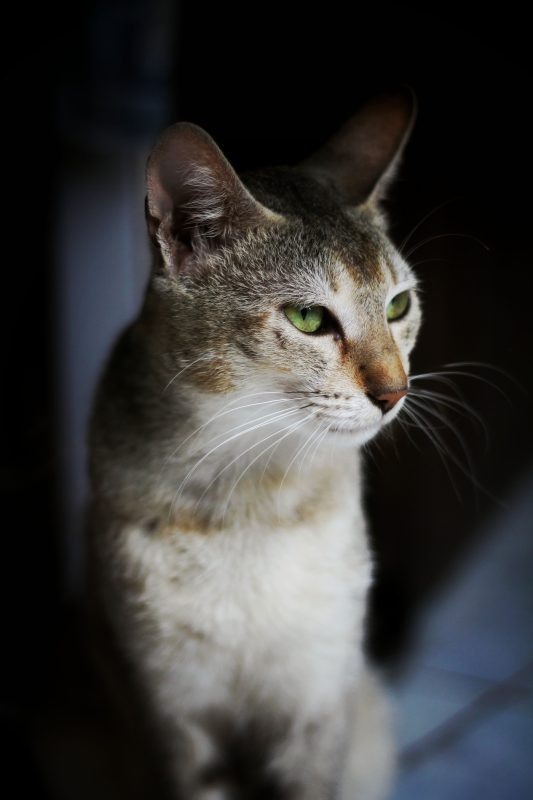
The breed standard describes a medium to large substantial muscular cat with a balanced wedge-shaped head , large lustrous green eyes , broad-based ears , slender legs , neat oval paws , and a long tapering tail. The coat should show a distinct misted spotted or marbled pattern in seven recognised colours.
The breed was originally called Spotted Mist and its full adult coloration may take about two years to develop.
Dental disease , Obesity , Pyruvate kinase deficiency , Progressive retinal atrophy , Diabetes mellitus
Halitosis 2. Red , swollen , bleeding gums 3. Tartar , drooling , dropping food , chewing on one side , reluctance to have mouth touched
Loss of visible waistline 2. Ribs hard to feel 3. Reduced play , grooming difficulty , lethargy , barrel-like shape
Often no signs 2. Lethargy , weakness , poor appetite 3. Pale gums , enlarged spleen may appear in more severe cases
Night blindness 2. Hesitation in low light , bumping into objects 3. Dilated pupils , more reflective eyes , progressive vision loss
Increased thirst 2. Increased urination 3. Increased appetite with weight loss , lethargy , dull coat , plantigrade stance
Mild gingivitis may begin around 1 year
Many cats may show dental disease by age 3 to 4 without prevention
Very high
it may affect most cats without preventive care
Weight gain may begin after neutering around 1 year
Often becomes significant at 4 to 8 years
High
A good appetite and indoor lifestyle may increase risk
Detectable by DNA test from birth
Clinical anemia may appear in young adulthood or at any age
Very low
Responsible breeders may greatly reduce risk through DNA testing
Often begins at 2 to 4 years and progresses over years
Very low
DNA testing may help breeders reduce the gene in breeding lines
Usually appears in middle-aged to senior cats over 7 years especially when overweight
Low to moderate
Risk may be higher because of Burmese ancestry and rises with obesity

This is genetic and not caused by dietary deficiency
Excess calories
Caloric control and activity may be lacking
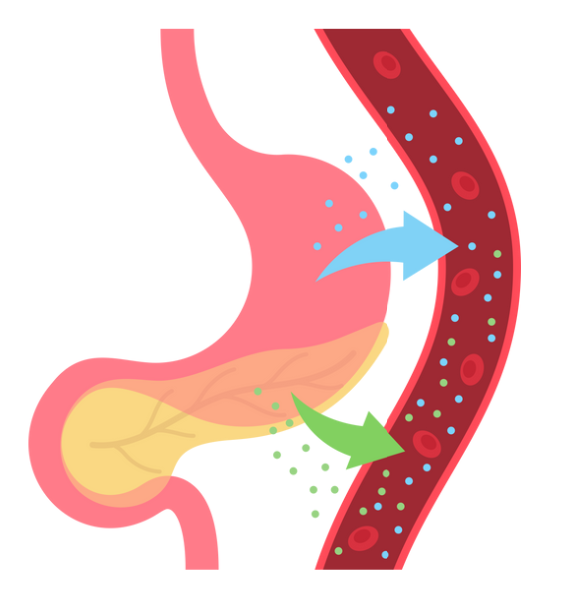
Insulin may be lacking or poorly used 2. A high-carbohydrate diet may contribute

Mechanical abrasion may be lacking with soft-food-only feeding
Some diets may lack tartar-reducing ingredients and antioxidant support
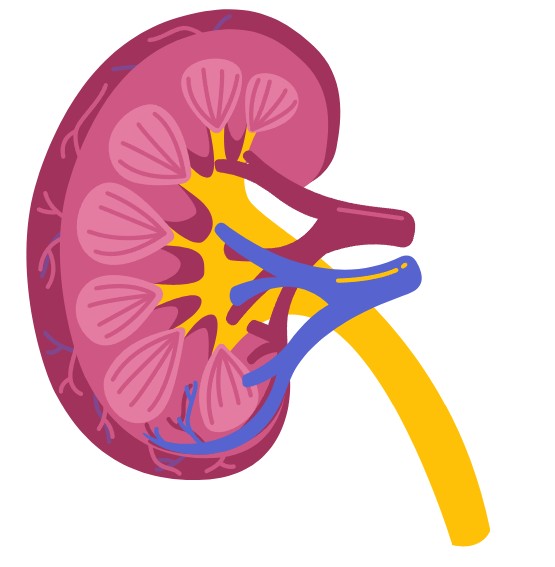
This is a genetic enzyme defect rather than a dietary lack

+852 6358 3131
香港中環德輔道中84-86號章記大廈9樓01室
週一到週日,早上10點到下午9點
 +852 9160 8619
 +852 9160 8619