我們的服務
寵物護理服務
獸醫服務
其他
Length range : 30-38 cm
Height range : 20-25cm
Weight range : 4.5-6.8kg
Coat : Shorthair , short , thick , dense , hard-textured , straight , lustrous protective coat.
Life expectancy years : 15-20 (depends on health situation)
Colors: white, black, blue, red, cream, silver, golden, brown, cameo, bluecream, tortoiseshell, tabby, bi-color, tri-color, shaded, calico, smoke.
Activitity Level : Moderate
Origin: USA
Similar Breeds : British Shorthair, American Wirehair, Domestic Shorthair
Short-haired cats came to North America with early settlers and seafarers to control rodents on ships , farms , and in homes. The breed was shown in early US cat shows , was among the first five breeds recognized by CFA in 1906 , was originally shown as Domestic Shorthair , and was renamed American Shorthair in 1965 after selective breeding developed the modern type.
Gentle
easy-going, affectionate, gentle, placid, adaptable, playful, independent, intelligent, loving, calm, devoted, curious, low-maintenance
Moderate activity , interactive hunting play , weight management , companionship , scratching posts , fresh water , indoor or mixed home life with enrichment.
The breed appreciates human company and interactive play but can also amuse itself and tolerate some time alone. It is usually good with children , other cats , and dogs , and is known as a quiet companion.
The short coat is easy to care for and usually needs only weekly combing or brushing though some sources recommend more frequent brushing during seasonal shedding. Nails , ears , and teeth should be maintained regularly. Baths are usually unnecessary unless needed.
Fresh clean water should be available daily. Nutrition should support weight control because this breed can gain weight easily. Several sources mention consistent feeding , avoiding excess calories , and using balanced cat food with attention to urinary and dental health.
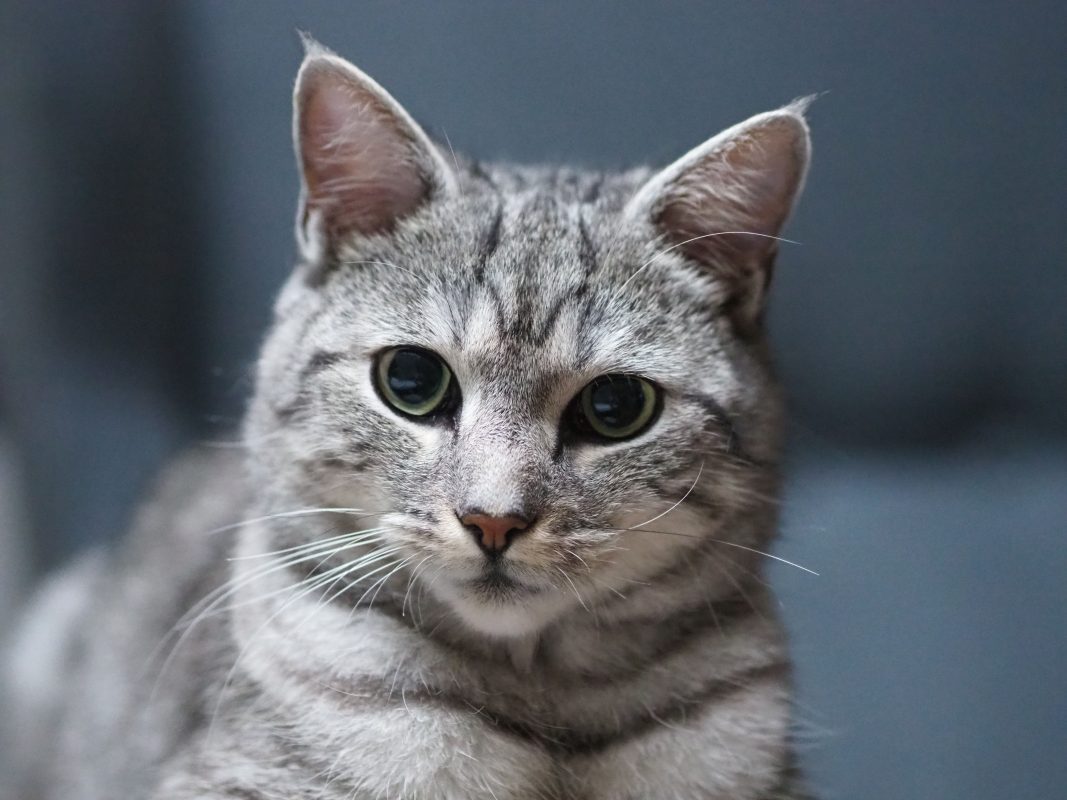
The breed standard calls for a medium to large true working cat that is strongly built , balanced , symmetrical , and powerful with endurance and agility. It has a large full-cheeked head , strong jaws , muscular body , medium-long tail , and a short thick dense coat. Females are generally less massive than males.
The American Shorthair was originally shown as the Domestic Shorthair and renamed in the early 1960s. It is one of the first five breeds recognized by CFA and is famous for its working-cat history controlling rodents on ships and in homes.
Obesity , Hypertrophic cardiomyopathy , Dental disease , Feline lower urinary tract disease , Diabetes mellitus
1. Loss of waistline , fat pad , ribs hard to feel 2. Reduced activity , less jumping 3. Difficulty grooming , matted or flaky coat
1. Often no early signs 2. Lethargy , rapid breathing , panting , open-mouth breathing 3. Decreased appetite , sudden hind limb pain or paralysis from saddle thrombus
1. Halitosis 2. Red , swollen , bleeding gums 3. Tartar , drooling , dropping food , chewing on one side , reluctance to eat hard food
1. Straining to urinate with little output 2. Frequent litter box trips , inappropriate urination 3. Pain , blood in urine , possible blockage emergency
1. Increased thirst and urination 2. Increased appetite with weight loss 3. Lethargy , weakness , dull coat , plantigrade stance
1. Can begin at 1 to 2 years after spay or neuter 2. Often becomes more obvious at 4 to 8 years
Very high, this is the most common preventable condition in the breed
1. Can be diagnosed at 1 to 2 years 2. Clinical signs often appear at 5 to 10+ years
Low to moderate, CFA indicates it largely disappeared from the breed with preventive testing and selective breeding while external text notes some lines may carry a mutation
1. Mild gingivitis may start around 1 year 2. By age 3 many cats have some disease 3. Cornell notes many cats older than 4 years are affected
Very high, 50 to 90 percent of cats older than four years have some dental disease
1. Often occurs at 2 to 6 years 2. Can occur at any age
Moderate. Risk may be higher in overweight indoor male cats and with dry-food-only patterns
1. Typically middle-aged to older cats 2. Often 8+ years especially with obesity
Moderate to high with obesity, about 1/100 to 1/500 cats may be diagnosed during life
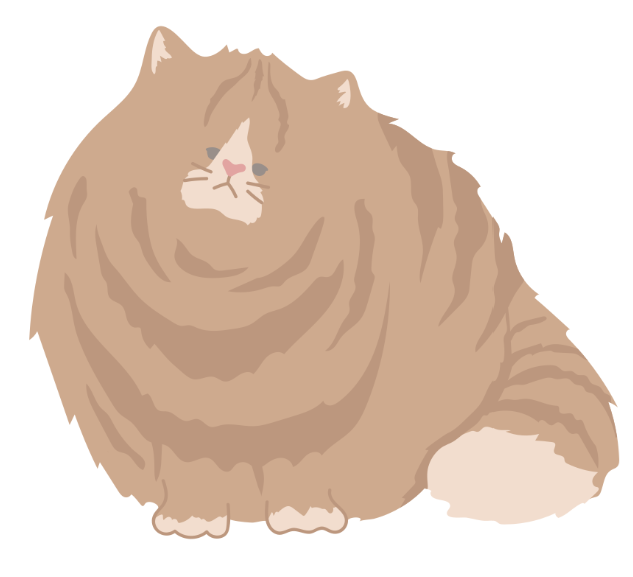
1. The text indicates this is caused by excess calories and insufficient activity rather than deficiency
2. Caloric control is the main missing factor in daily life

1. Plaque and oral bacteria are the main cause
2. Mechanical abrasion and tartar-control additives may be lacking in some routines

caused by genetic disorder. Also, taurine deficiency is linked to a different cardiomyopathy
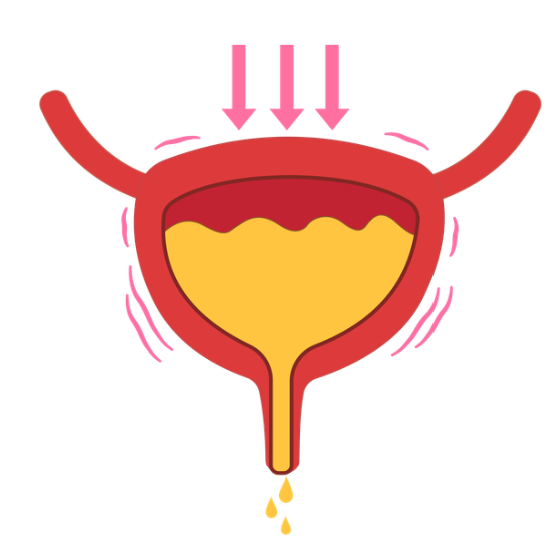
Water intake may be lacking and concentrated urine may increase risk
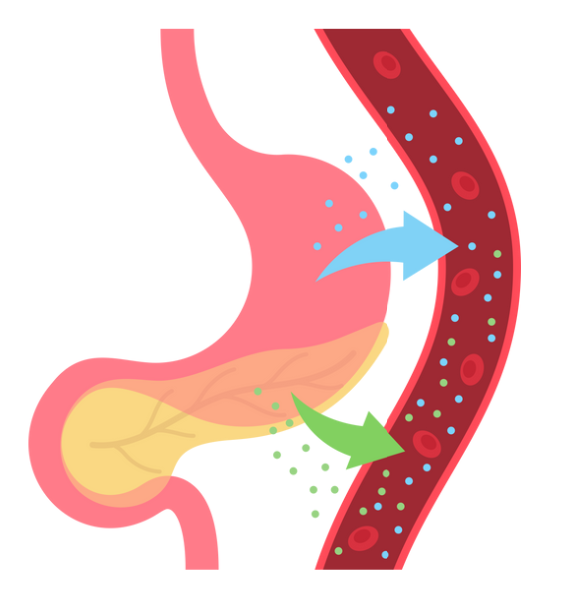
this is metabolic dysfunction tied to excess calories and carbohydrates rather than a simple deficiency

+852 6358 3131
香港中環德輔道中84-86號章記大廈9樓01室
週一到週日,早上10點到下午9點
 +852 9160 8619
 +852 9160 8619