我們的服務
寵物護理服務
獸醫服務
其他
Length range : 43-48 cm
Height range : 23-25cm
Weight range : 3.2-8.2kg
Coat : Longhair and shorthair / double coat / resilient / non-matting / semi-dense in shorthair and medium-long slightly shaggy in longhair.
Life expectancy years : 13-15 (depends on health situation)
Colors: black, brown, gray, cinnamon, chocolate, blue, lilac, red, fawn, cream, white, tabby, smoke, pointed, lynx point, mink, bi-color, parti-color.
Activitity Level : Moderate
Origin: United States
Similar Breeds : Bengal, Japanese Bobtail, Pixie-Bob
The breed concept began in the late 1960s with a brown tabby bobtailed stray named Yodie in Arizona that was bred to a seal point Siamese. Breeders then used feral bobtailed cats from across the United States and Canada to develop a diverse breed selected for its slightly wild appearance. The breed is considered a mutation breed because of its short tail and gradually matures over about three years.
Affectionate
loving, intelligent, easygoing, adaptable, interactive, gentle, affectionate, independent, tolerant, friendly, calm, playful, loyal, sociable
Moderate grooming / indoor life / regular play / hunting-style games / companionship / leash walks / environmental enrichment / fresh water.
Forms strong bonds with the whole family and is usually patient with children and compatible with dogs. It is easygoing / tolerant / interactive / and does not tend to be highly vocal though it may trill or chirp.
Weekly brushing or combing is usually sufficient even for longhair cats. Occasional bathing may help with shedding but is not essential. Shedding occurs to some degree with all cats.
Fresh clean water should be available daily. Good weight control and appropriate portion management may help because obesity increases diabetes risk. No breed-specific nutrition beyond balanced cat nutrition and hydration was stated.
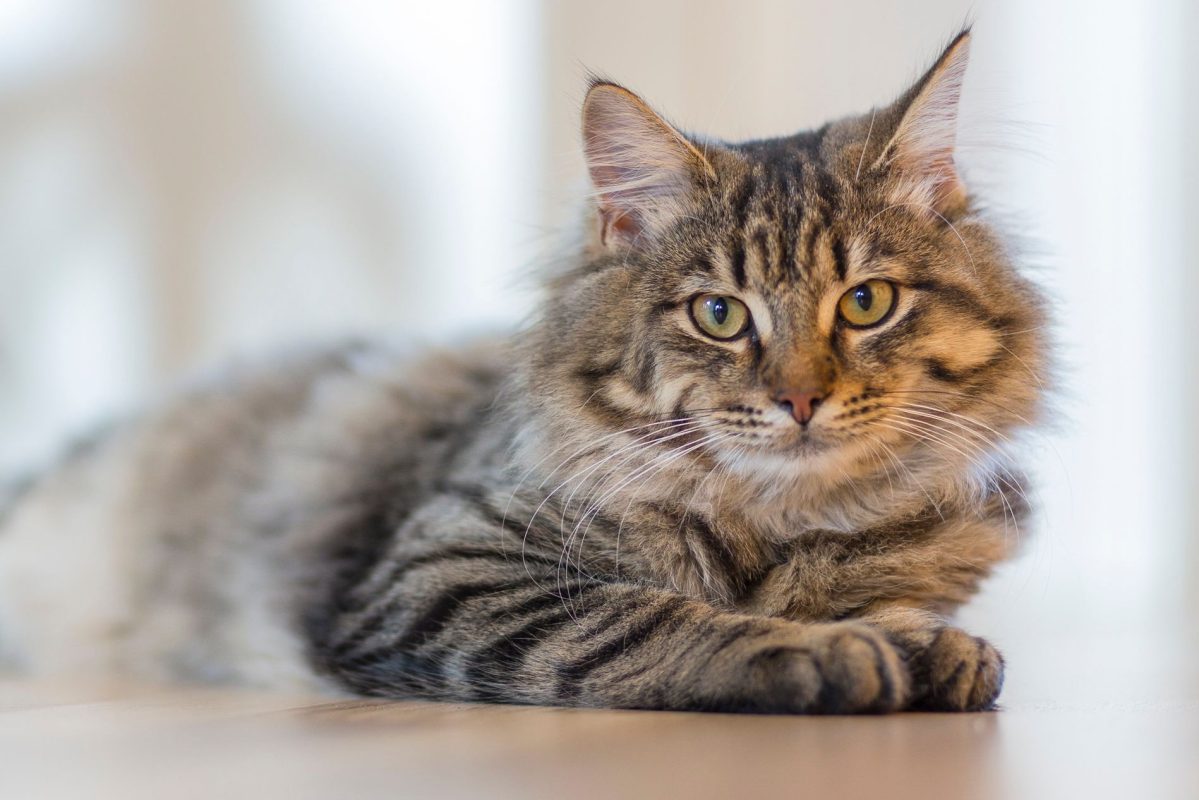
The breed standard describes a medium to large naturally bobtailed cat with a rectangular, substantial body, a broad chest, a muscular, athletic appearance, a broad, modified wedge head, large, almost almond-shaped eyes, and a short, flexible, expressive tail. The use of any genetically feasible color or pattern is permitted, with a preference for those that accentuate the wild appearance.
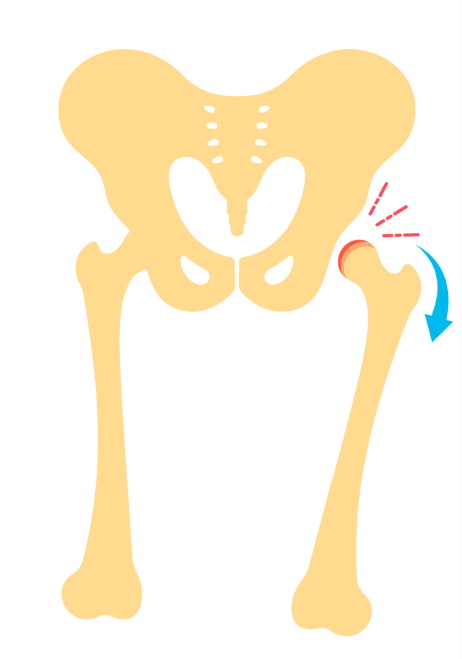
Hip dysplasia / Spinal issues related to bobbed tail / Hypertrophic cardiomyopathy / Dental disease / Diabetes mellitus
1. Limping or stiffness 2. Reluctance to jump / bunny-hopping gait 3. Clicking or popping at the hip / hind limb muscle loss
1. Incontinence 2. Chronic constipation 3. Stiff or awkward gait / rear-end soiling
1. Often no early signs 2. Lethargy / rapid or labored breathing / open-mouth breathing 3. Sudden hind limb pain or paralysis from thromboembolism
1. Halitosis 2. Red / swollen / bleeding gums 3. Tartar / drooling / dropping food / chewing on one side
1. Increased thirst and urination 2. Weight loss despite appetite 3. Lethargy / weakness / dull coat / plantigrade stance
1. The condition is present from a young age 2. Signs may appear at 1 to 2 years or later with arthritis
Moderate
1. Congenital 2. Symptoms may appear within the first weeks to months as kittens walk and use the litter box
Very low
1. It can be diagnosed as early as 1 to 2 years 2. Clinical signs often appear in middle-aged to older cats around 5 to 10+ years
Low to moderate
1. Gingivitis may start as early as 1 year 2. By age 3 many cats have some dental disease
Very high
1. Typically middle-aged to older cats 2. Often around 8+ years especially with obesity
Moderate to high in risk
1. The text indicates this is genetic and lifestyle influenced rather than caused by a simple deficiency 2. Lean body mass support and omega-3 intake may matter for joint support

1. This is structural and not caused by nutritional lack

1. The text indicates HCM is primarily genetic 2. Taurine deficiency is linked to a different cardiomyopathy rather than HCM

1. Plaque and oral bacteria are the primary cause 2. Abrasive action and dental-supportive nutrients are mentioned in supportive discussion
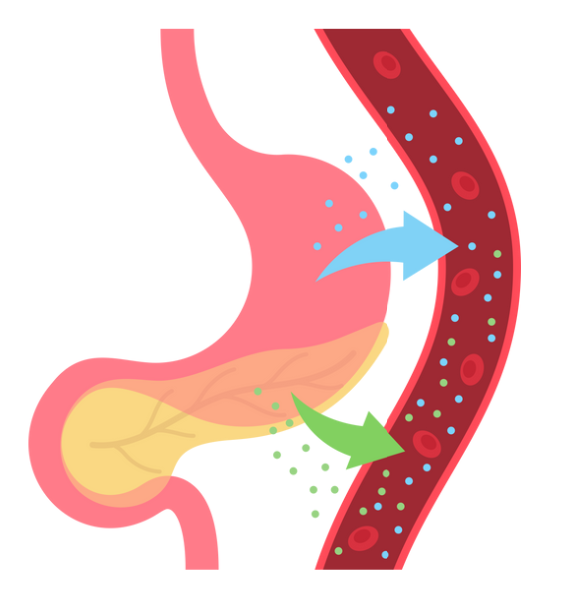
1. The text indicates this is a disease of excess rather than deficiency 2. High carbohydrate and calorically dense diets may contribute to obesity and insulin resistance

+852 6358 3131
香港中環德輔道中84-86號章記大廈9樓01室
週一到週日,早上10點到下午9點
 +852 9160 8619
 +852 9160 8619