我們的服務
寵物護理服務
獸醫服務
其他
Length range : 76-89 cm
Height range : 55-64
Weight range : 22.7-36.3
Coat : short|smooth|sleek|glossy|close-fitting coat
Life expectancy years : 10-12
Colors: fawn|brindle|white markings|red and white.
Activitity Level : High
Origin: Germany
Similar Breeds : Bulldog|Bullmastiff|American Staffordshire Terrier
The modern Boxer was developed in 19th century Germany from the Bullenbeisser and mastiff-type or Old English Bulldog lines after big-game hunting declined. The AKC registered its first Boxer in 1904 and the breed later became popular in America while also serving early police and military roles in Germany.
spirited and energetic, friendly and fun-loving, wary of strangers, fearless when threatened, gentle with family, devoted companion
loyal, affectionate, intelligent, bright, alert, playful, patient, protective, courageous, self-assured
daily companionship, early socialization, consistent training, mental stimulation, high-quality diet, regular exercise, temperature awareness
forms deep bonds with family, does not do well left alone for long, usually good with children when trained, may be wary with strangers, moderate compatibility with other pets
short coat needs little grooming, daily glove grooming or stroking may reduce shedding, bath only occasionally, brush teeth regularly, check ears weekly, clip nails as needed
complete and balanced food by life stage, high-protein adult diet may support active lifestyle, avoid human foods and fatty snacks, split meals appropriately, fresh water should always be available, weight control is important
at least two hours daily, walks, runs, play in a fenced yard or garden, agility, obedience, rally, mental games
early socialization, puppy classes, gentle encouragement, continued mental stimulation, avoid repetitive training because it may cause loss of interest, training to reduce jumping up, not being left alone for long is important
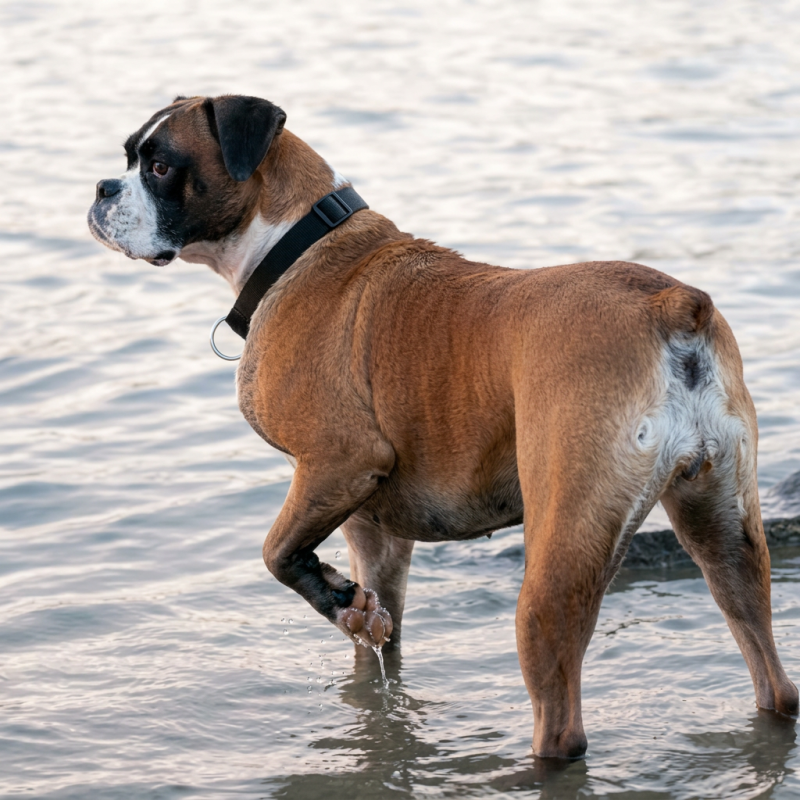
A medium to large athletic working dog with a muscular body , short sleek coat , blunt brachycephalic muzzle and expressive dark eyes. Standard colors are fawn or brindle with white markings and the breed should appear alert , dignified , self-assured and powerful.
The Boxer gets its name from using its front paws like a fighter and is known for an unusually long puppyhood that may last about three years.
Cancer, Heart disease including ARVC and Subaortic Stenosis, Gastric Dilatation-Volvulus, Degenerative Myelopathy, Allergies and Atopic Dermatitis
1. lumps or bumps, enlarged non-painful lymph nodes, lethargy, weight loss, decreased appetite, seizures, behavior changes, circling, head pressing and loss of coordination may occur
1. fainting or collapse, exercise intolerance, coughing, shortness of breath, lethargy, tiredness after short exercise, heart murmur and sudden death may occur
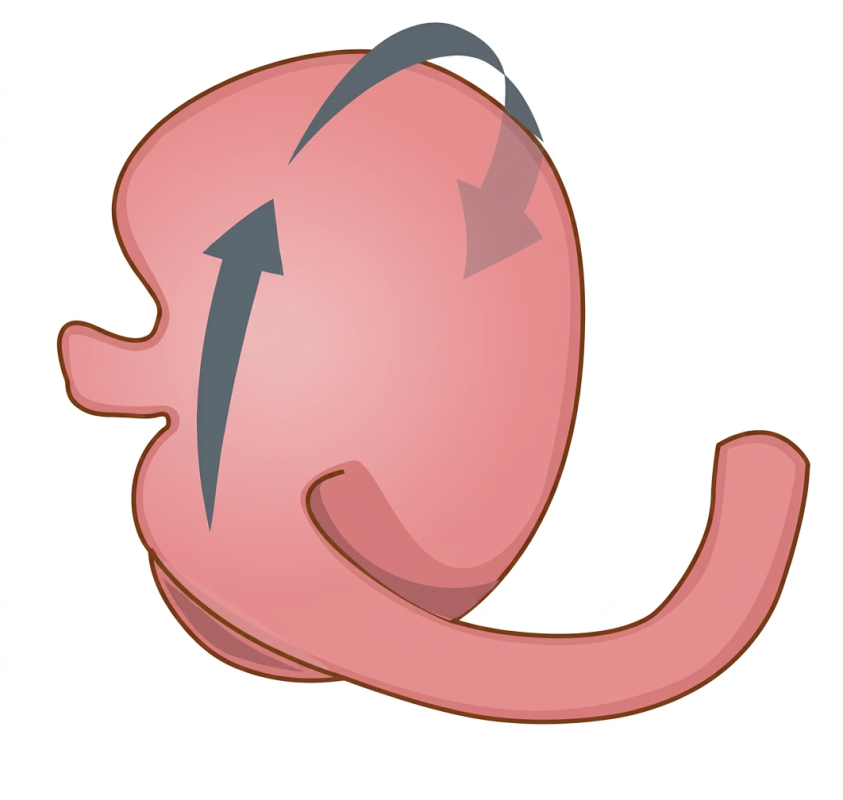
1. non-productive retching, distended hard abdomen, drooling, panting, weakness, collapse, abdominal pain and restlessness may occur
1. loss of coordination in hind legs, scuffing or dragging of back feet, wobbly gait, knuckling, difficulty rising, later paralysis and possible incontinence may occur
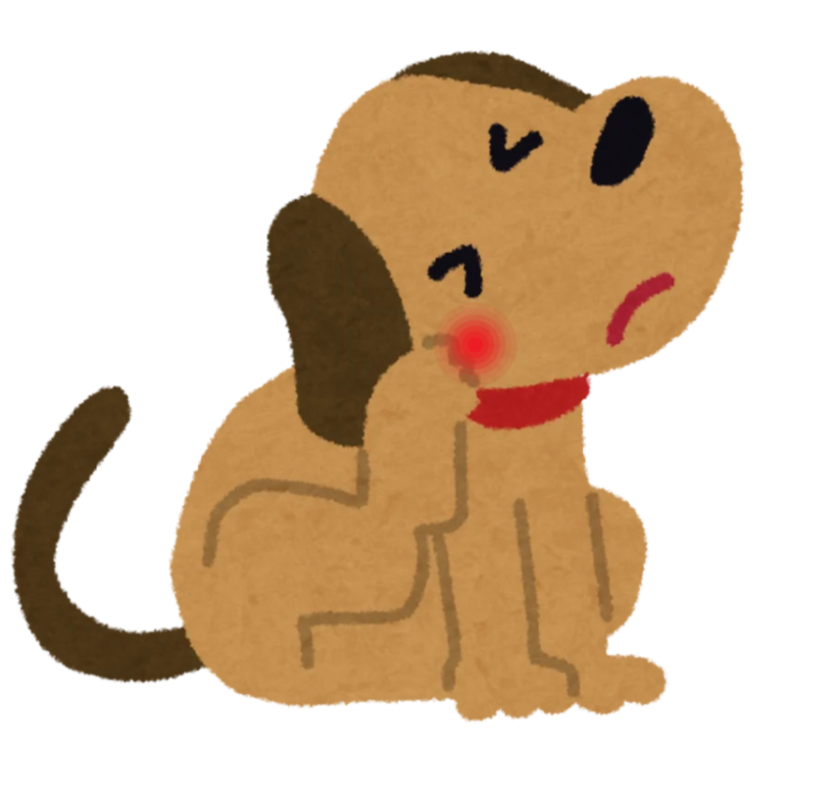
1. intense itching, chewing paws, scratching, recurrent skin and ear infections, red irritated skin, hair loss, skin thickening and musty odor may occur
1. most cancers are diagnosed in middle-aged to senior dogs
2. typically 5 years and older
1. extremely high
2. it is a statistical likelihood that many Boxers may develop some form of tumor or cancer during life
1. ARVC is typically diagnosed in adult dogs from 3 to 8 years old
2. SAS is present from birth and a murmur is usually detected in the first few months of life
1. high for both conditions
2. they are major genetic concerns in the breed
1. can happen at any age
2. risk increases with age and may occur after large meals, heavy drinking or exercise soon after eating
1. high
2. the deep and narrow chest is a primary risk factor
1. typically onsets between 8 and 14 years of age
2. some at-risk dogs may not show signs until 15 years of age
1. moderate to high
2. Boxers are among the breeds proven susceptible and dogs with A,A results are at risk though not all may develop clinical disease
1. typically begins between 1 and 3 years of age and may continue lifelong
1. high
2. a large percentage of the breed may be affected to some degree.
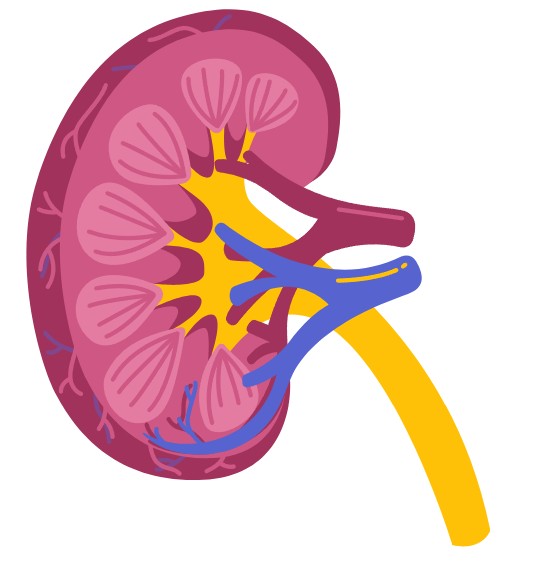
1. No specific lacking chemical is identified in the provided material.
2. The disease burden is linked mainly to inherited genetic factors that may fail to suppress tumor growth or may promote it.
3. In some cases the brachycephalic head shape is also linked to risk for brain tumors such as glioma.

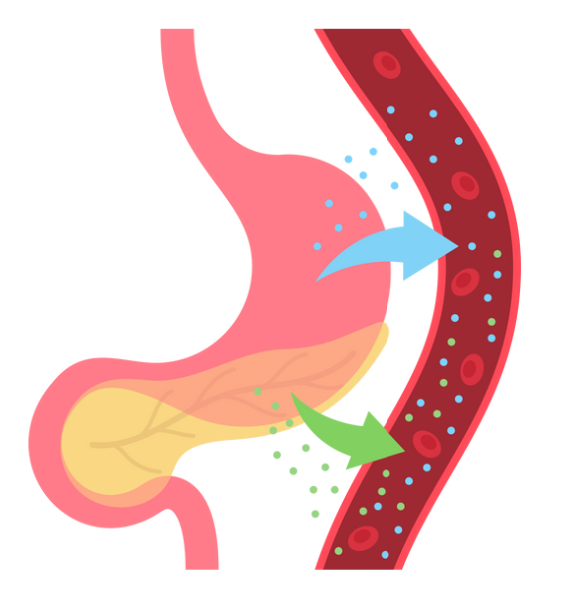
1. No specific missing chemical is identified in the provided material.
2. The condition is linked to deep chest conformation, large rapid meals and stomach rotation with compromised blood flow.
3. The problem is mechanical and circulatory rather than due to a lacking nutrient or compound.

1. No specific lacking chemical is identified in the provided material.
2. ARVC is linked to a genetic mutation affecting normal heart muscle integrity and rhythm control.
3. SAS is a congenital structural defect below the aortic valve rather than a deficiency state.
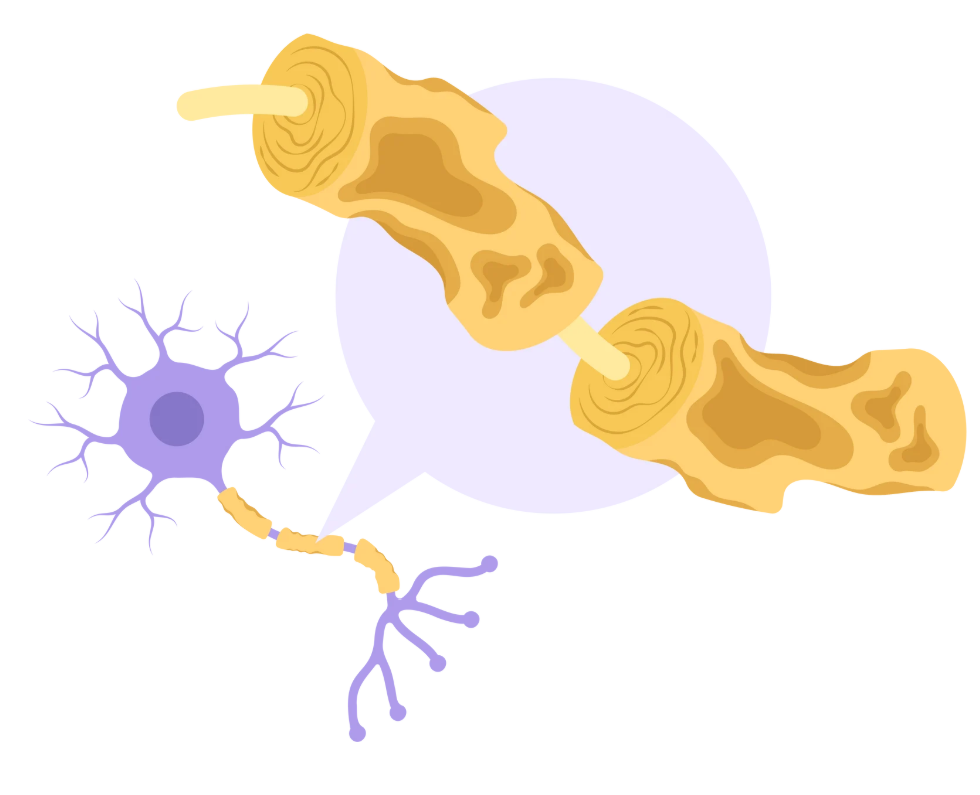
1. Degenerative Myelopathy is associated with a mutation in the SOD1 gene.
2. Dogs with two mutated copies are at risk of developing the disease as they age.
3. The provided information links disease risk to this genetic mutation rather than to a dietary deficiency.

+852 6358 3131
香港中環德輔道中84-86號章記大廈9樓01室
週一到週日,早上10點到下午9點
 +852 9160 8619
 +852 9160 8619