我們的服務
寵物護理服務
獸醫服務
其他
Length range : 81-99 cm
Height range : 59-70
Weight range : 27-50
Coat : rough weather-resistant outer coat|soft dense undercoat|double coat|tousled harsh hair|heavy eyebrows|beard and moustache
Life expectancy years : 10-12
Colors: black|brindle|fawn|gray|salt and pepper|pepper and salt|small white star on chest permitted.
Activitity Level : Moderate to High
Origin: Belgium
Similar Breeds : Briard|Giant Schnauzer|Belgian Shepherd Groenendael
The breed developed in Flanders across Belgium and nearby regions as a versatile farm dog used to herd cattle , guard property , pull carts and even churn butter. It appeared in the show ring in 1910 and suffered severe losses during both World Wars before recovery through preservation and breeding efforts; later sources note service in military , police , guide and other working roles.
calm and sensible, reserved with strangers, amiable with family, watchful, fearless but typically not aggressive
intelligent, loyal, confident, calm, steady, courageous, hard-working, affectionate, watchful, strong-willed
daily exercise, mental stimulation, structured jobs, regular grooming, large secure space, early socialization, consistent leadership
strongly attached to family, can be good with children and other dogs when properly introduced, may be suspicious of strangers, does not enjoy long separation
brush two to three times weekly, daily beard care, more frequent brushing during shedding seasons, hand-stripping or clipping options, check ears weekly, trim nails every two to four weeks, clean facial hair after meals
complete and balanced large-breed diet, support for joint health, lean muscle, digestion and skin and coat, careful growth nutrition in puppies, smaller more frequent meals may help reduce bloat risk, portion control is important
60+ minutes to two hours daily, long walks, hikes, running, herding, carting or drafting, obedience, agility, tracking, scent games, puzzle enrichment
early socialization, positive reinforcement, calm consistent cues, obedience routines, cooperative care handling, recall training, basic commands and dog sports, repetitive activities is not recommended
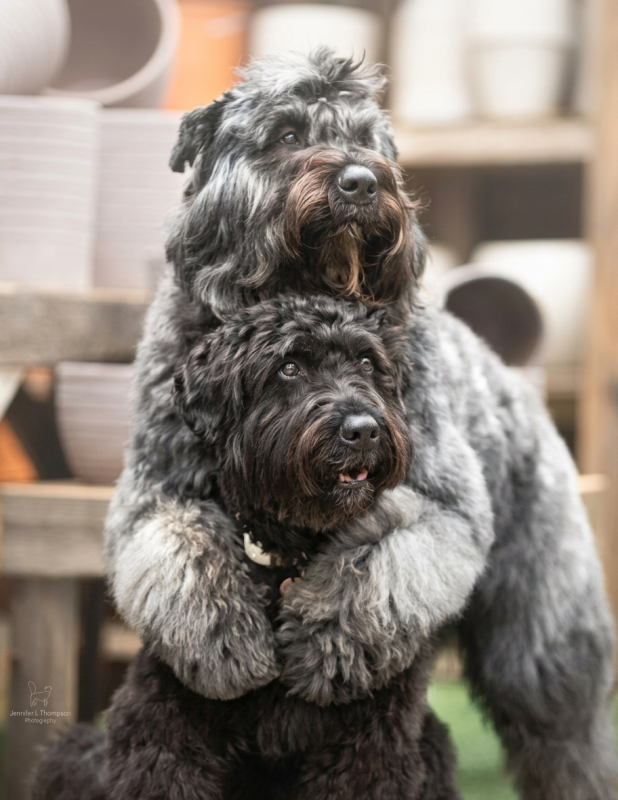
A large , compact and powerful herding dog with a rugged weather-resistant double coat , thick eyebrows , moustache and beard. The breed should show strength , dignity and functionality with a broad chest , muscular build , high-set tail and dark oval alert eyes.
The breed may owe part of its survival to a Belgian breeder story involving Justin Chastel and later also served as messenger , sentry and police dogs.
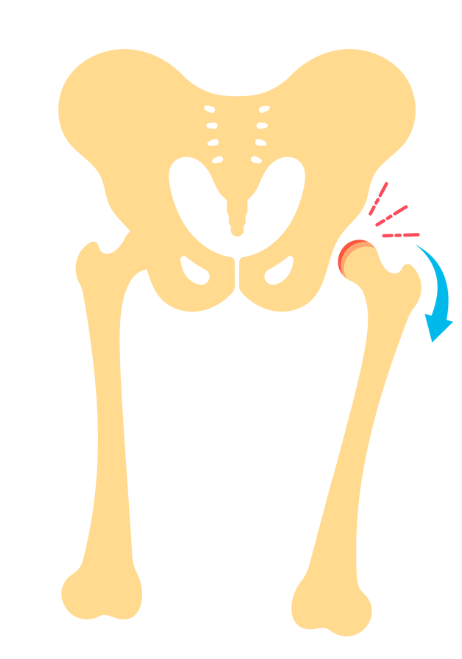
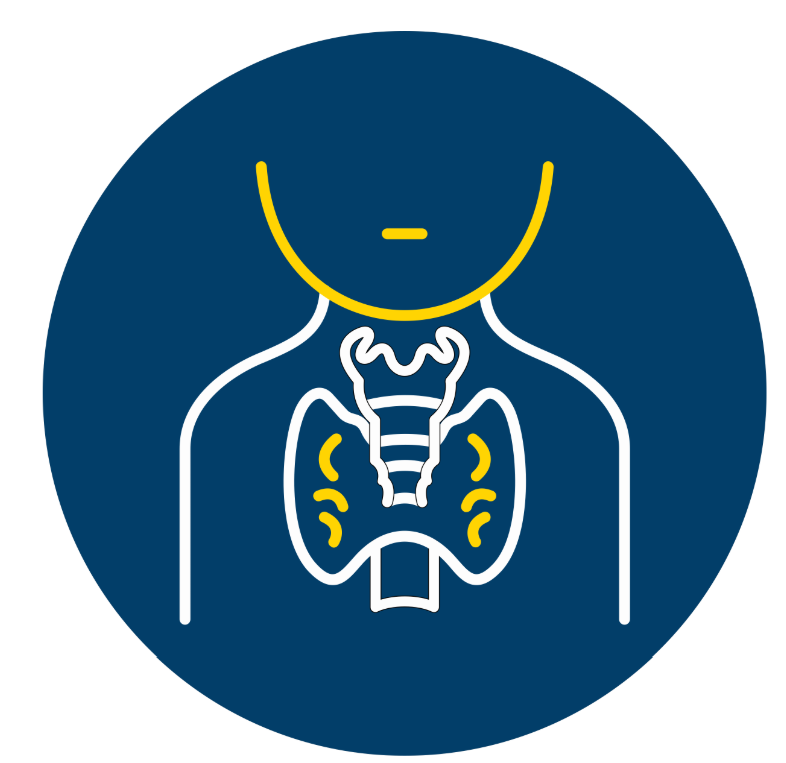
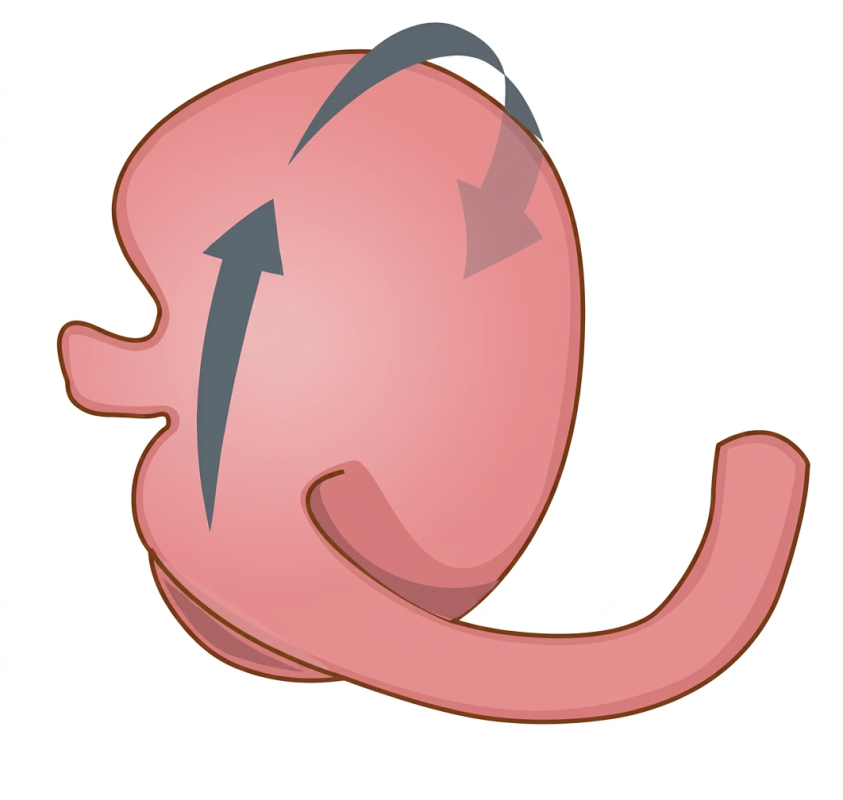
Hip Dysplasia, Elbow Dysplasia, Glaucoma, Hypothyroidism, Gastric Dilatation-Volvulus
1. bunny-hopping gait
2. difficulty rising
3. hind-limb muscle atrophy and exercise intolerance may occur
1. persistent front-limb lameness
2. elbow swelling
3. stiff gait and reluctance for high-impact activity may occur
1. red eyes
2. corneal cloudiness
3. dilated pupils and ocular pain or light sensitivity may occur
1. lethargy
2. unexplained weight gain
3. bilateral hair loss, cold intolerance and chronic skin infections may occur
1. distended abdomen
2. non-productive retching
3. restlessness, excessive salivation and weakness or shock may occur
1. typically manifests between 6 months and 2 years of age
1. moderate to high
2. common in larger heavy-bodied working breeds
1. frequently appears during puppy or adolescent growth
2. between 5 and 10 months
1. moderate
2. substantial weight and activity may worsen underlying joint incongruity
1. can occur in adulthood
2. certain predisposed lines may show signs in middle age
1. moderate
2. the breed is genetically predisposed to primary open-angle glaucoma
1. typically diagnosed in middle-aged to senior dogs
2. between 4 and 8 years of age
1. moderate
2. common in several large-breed working dogs due to immune-mediated thyroiditis
1. can happen at any age
2. risk increases significantly in middle-aged and senior years
1. moderate to high
2. a known concern for deep-chested breeds
1. No specific missing chemical is identified in the provided material.
2. The illness is linked to a polygenic trait , rapid skeletal growth and genetic predisposition.
3. The provided content describes abnormal joint development rather than a lacking nutrient or compound.
1. No specific missing chemical is identified in the provided material.
2. The illness is linked to improper drainage of aqueous humor from the eye and inherited structural defects in the drainage angle.
3. The provided content describes pressure dysregulation rather than a lacking nutrient or compound.

1. No specific missing chemical is identified in the provided material.
2. The illness is linked to hereditary developmental disorders including osteochondritis dissecans or fragmented coronoid process.
3. The provided content describes abnormal elbow development rather than a lacking nutrient or compound.
1. Thyroid hormone becomes lacking because the thyroid gland is underactive.
2. The provided material links this lack to impaired normal metabolic function.
3. Autoimmune destruction or idiopathic atrophy may lead to that hormone deficiency and related systemic signs.

+852 6358 3131
香港中環德輔道中84-86號章記大廈9樓01室
週一到週日,早上10點到下午9點
 +852 9160 8619
 +852 9160 8619