我們的服務
寵物護理服務
獸醫服務
其他
Length range : 71-86 cm
Height range : 46-56
Weight range : 12-25
Coat : Dense weather-resistant double coat|rough medium-length feathered variety|smooth short coarse variety|thick soft undercoat
Life expectancy years : 10-17
Colors: black and white|all-black|red|lilac|blue|blue merle|brown with white|red with white|tricolour|other colours with white.
Activitity Level : High
Origin: United Kingdom|Scotland
Similar Breeds : Rough Collie|Shetland Sheepdog|Australian Shepherd|Whippet
Border Collies developed in the border region between Scotland and England from older herding and sheepdog strains and were bred primarily for working ability. Their name reflects this border origin and the breed later became globally prized for herding , obedience and agility performance with formal recognition arriving much later than their working use.
bright, vivacious, sweet, caring, eager to please, predictable, can be wary of newcomers, highly sensitive to harsh treatment
intensely intelligent, energetic, keen, alert, loyal, affectionate, dependable, sensitive, athletic, work-driven, reserved with strangers
constant mental stimulation, job to do, large secure space, daily vigorous activity, training outlet, socialization from the start, owner with time and energy
very bonded to family, can be reserved with strangers, may herd children or other pets, prefers company, can be left alone only with training, needs experienced, active handling
brush once or twice weekly, use pin comb for tangles, monthly bathing may help active coats stay clean, check ears regularly, trim nails every few weeks
high-quality food matched to life stage and workload, fresh water always available, avoid fatty snacks and human food, follow feeding guidelines, support ideal body weight, omega-3 rich food may help coat and joints
daily vigorous activity, one to two hours or more daily, running, long walks, hiking, agility, flyball, frisbee, fetch, herding work, obedience, tracking, rally
early socialization, positive reinforcement, obedience training throughout life, agility training, advanced training, redirect herding instincts, class with breed-aware trainer, reward-based methods
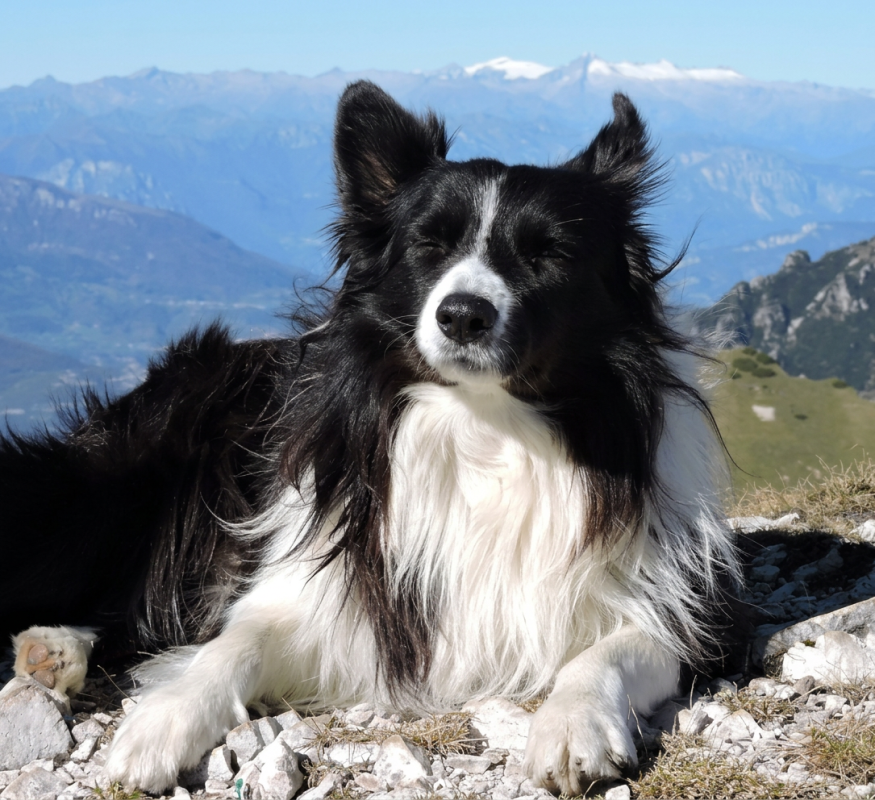
A medium-sized , well-proportioned , athletic herding dog with a dense double coat that may be rough or smooth. The breed should show alert carriage , mobile ears , a bushy tail , intelligent expression and efficient agile movement suited to work.
A Border Collie named Chaser became famous for recognizing more than 1 , 000 objects and understanding basic sentences.
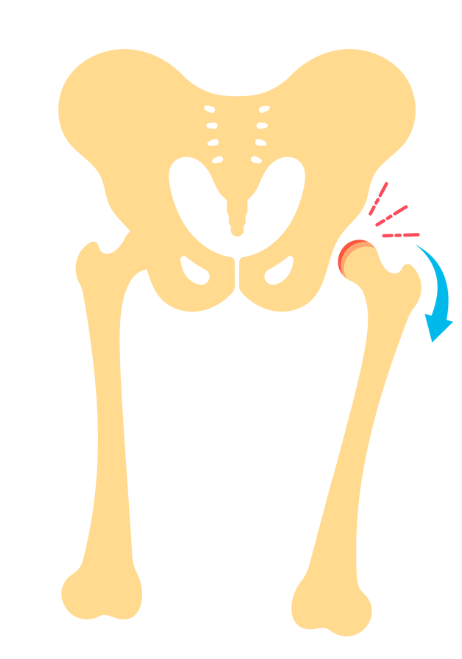
Hip Dysplasia, Collie Eye Anomaly, MDR1 Gene Mutation, Degenerative Myelopathy, Elbow Dysplasia
1. hind-limb lameness / bunny-hopping gait / difficulty rising and exercise intolerance may occur
1. visual impairment / small eyes / retinal detachment and blindness may occur in severe cases
2. blue or cloudy eyes and abnormal eye structure might appear
1. excessive salivation / tremors / ataxia / seizures / coma or death may occur after exposure to triggering medications
1. loss of balance / dragging of the rear paws / muscle atrophy and eventual loss of mobility may occur
1. persistent forelimb lameness / stiff gait / elbow swelling and reluctance to jump or run may occur
1. signs may occur in rapidly growing dogs
2. may also become apparent later with arthritis in more mature dogs
1. risk may be moderate to high
2. around 6 to 7 percent among screened Aussies
1. CEA is present at birth and may be diagnosed at 5 to 8 weeks or after 6 weeks
2. hereditary cataracts may occur around 1 to 5 years
3. PRA may appear in adulthood around 3 to 9 years and some texts note juvenile or early onset in first months
1. risk may be high
2. PRA, CEA, cataracts are specifically noted across sources
1. mutation is present from birth
2. toxic signs may appear within hours to a day after exposure to trigger drugs
1. risk may be very high in relevance to the breed because many Australian Shepherds may carry at least one copy of the mutation
1. seizures typically begin between 6 months and 5 years
1. risk may be significant because hereditary epilepsy is recognized in the breed
1. signs may appear during growth or later with joint degeneration
1. risk may be moderate
2. around 4 to 5 percent among screened Aussies
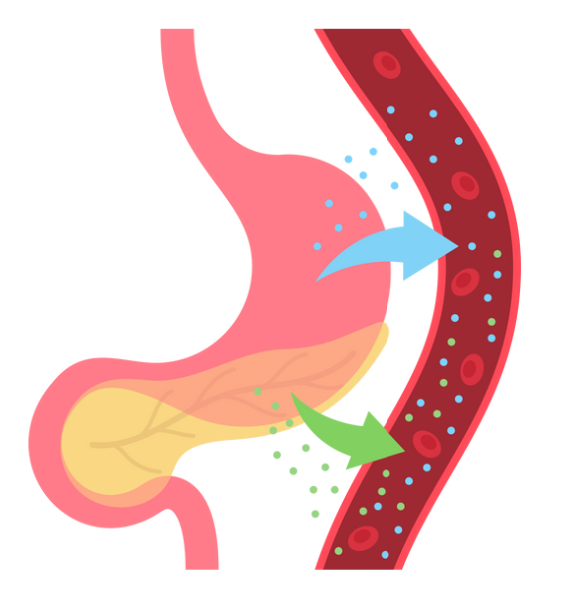
1. No specific missing chemical is identified in the provided material.
2. The illness is linked to polygenic inheritance together with environmental factors during rapid growth.
3. The text describes instability of the hip joint rather than a lacking nutrient or compound.

1. Functional P-glycoprotein protection is lacking because a mutation in the ABCB1 gene produces a defective pump.
2. The provided material links this lack of drug transport to poor removal of certain medications from the brain.
3. This can make affected dogs susceptible to severe neurotoxicity after exposure to triggering drugs.

1. Normal developmental support for the choroid / retina and sclera is lacking because a genetic mutation disrupts eye formation during fetal growth.
2. The provided material links this lack of normal development to structural eye defects.
3. This can make affected dogs vulnerable to impaired vision or blindness.
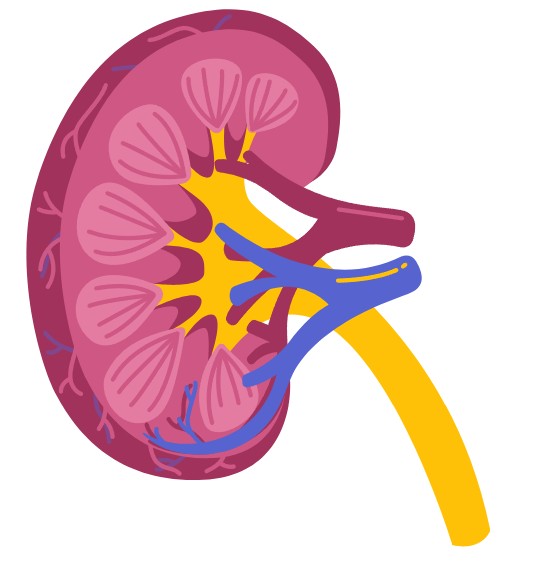
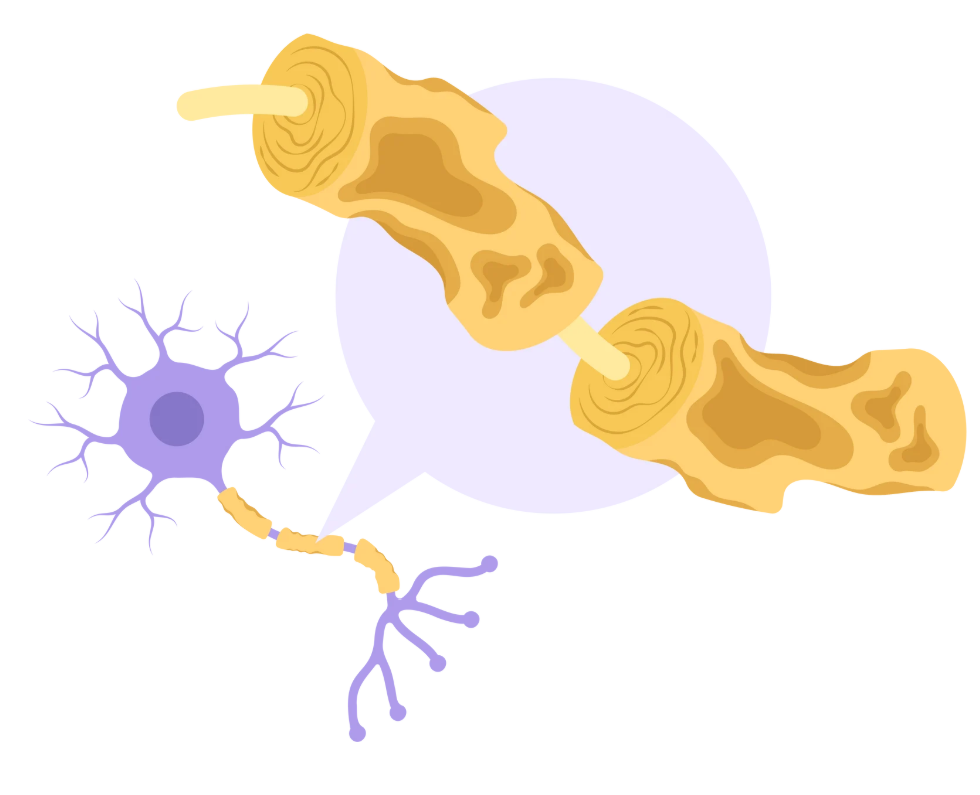
1. Myelin sheath protection is lacking because a SOD1 gene mutation leads to progressive destruction around spinal nerves.
2. The provided material links this loss of protection to gradual neurologic decline.
3. This can make affected dogs vulnerable to hind-limb weakness and paralysis.

+852 6358 3131
香港中環德輔道中84-86號章記大廈9樓01室
週一到週日,早上10點到下午9點
 +852 9160 8619
 +852 9160 8619