我們的服務
寵物護理服務
獸醫服務
其他
Length range : 79-91 cm
Height range : 48-56
Weight range : 16-27
Coat : Long|thick|glossy|coarse texture|straight or slightly wavy|woolly or rich undercoat|feathered tail
Life expectancy years : 9-14
Colors: black to gunmetal black with rich tan markings|black with tan markings|possible white chest marking.
Activitity Level : High
Origin: Czech Republic
Similar Breeds : German Shepherd Dog|Belgian Sheepdog|Shiloh Shepherd|Collie
The breed dates back to medieval Bohemia where the Chodove people used these dogs to guard the Bohemian-Bavarian border and assist with farm and herding work. The population declined after the world wars and was restored in the mid-1980s through a breed standard and breeding program , with a first litter from the restoration program born in 1985 and provisional FCI recognition in 2019.
pleasant, alert, stable, strong-nerved, extremely vigilant, loving with family, protective when needed, not generally aggressive
intelligent, lively, quick, athletic, docile, attentive, pliant, fearless, devoted, friendly, reserved with strangers, eager to please
daily activity, mental stimulation, working outlets, high-quality diet by life stage, weight monitoring, weekly grooming, fenced yard preferred, early socialization
devoted to people, good with children when taught respectful interaction, usually good with other dogs and pets in the home, reserved with strangers, can become unhappy or depressed if left alone too long
weekly brushing, more frequent brushing during seasonal shedding, regular nail trims, regular ear cleaning, occasional baths, teeth brushing and professional cleanings recommended
high-quality diet for life stage, measure portions to prevent overfeeding, treats should stay limited, maintain healthy weight
daily walks, hikes, play sessions, agility, dock diving, competitive obedience, rally, scent work, jogging
easy to train, gentle reward-based methods work best, early socialization, obedience training, learns commands and tricks quickly, strong leader guidance may help family structure
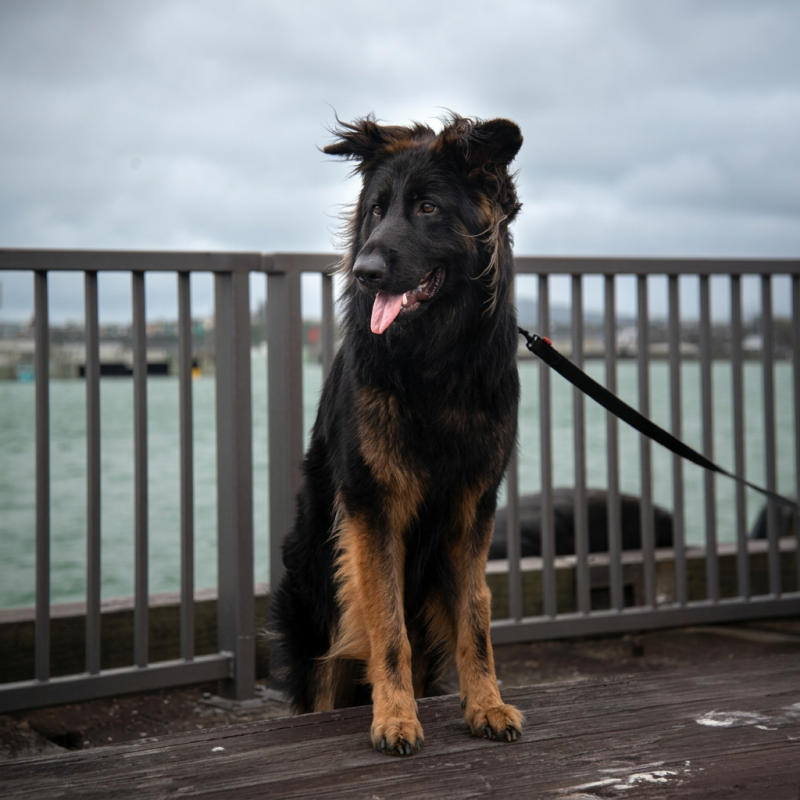
A medium-sized sheepdog with a compact , graceful and slightly rectangular outline. The breed should show a proportionate head , erect triangular ears , almond-shaped brown eyes , long thick coat with undercoat and fluid light unhurried movement.
The Bohemian Shepherd is also known as the Chodsky pes or Chodenhund and can work in herding , search and rescue , therapy , service and even dog dancing.
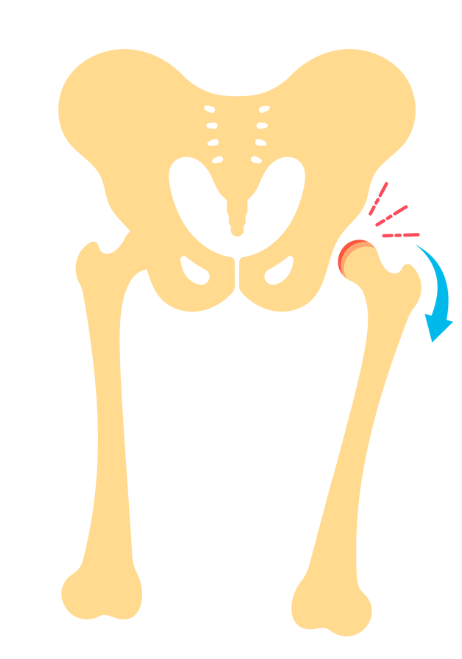
Hip Dysplasia, Elbow Dysplasia, Degenerative Myelopathy, Idiopathic Epilepsy, Progressive Retinal Atrophy
1. bunny-hopping gait / difficulty rising / exercise intolerance and hind-limb lameness may occur
1. front-leg limping / holding the limb away from the body / joint swelling and reluctance to exercise may occur
1. loss of coordination in the hind legs / dragging paws / muscle atrophy and eventual incontinence may occur
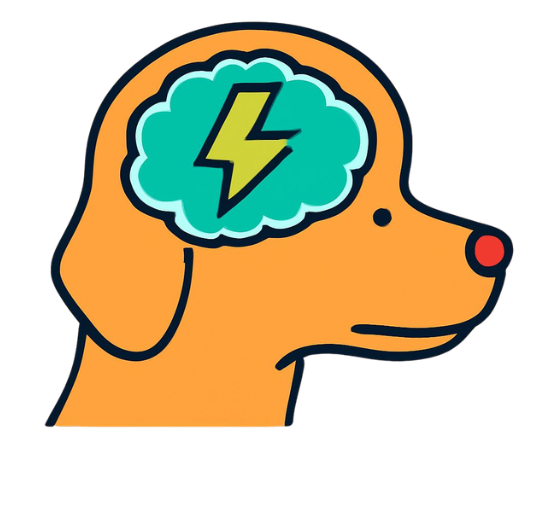
1. sudden muscle twitching / stiffening / loss of consciousness / excessive salivation and uncontrolled paddling movements may occur
1. night blindness / gradual daytime vision loss and dilated pupils may occur
1. typically manifests between 6 months and 2 years of age
1. moderate to high
1. often appears between 5 and 10 months during the rapid growth phase
1. moderate
1. usually presents in senior dogs at 8 years of age or older
1. breed-specific risk
1. typically occurs between 1 and 5 years of age
1. moderate
1. can vary widely
2. often is detected in early adulthood or middle age
1. moderate
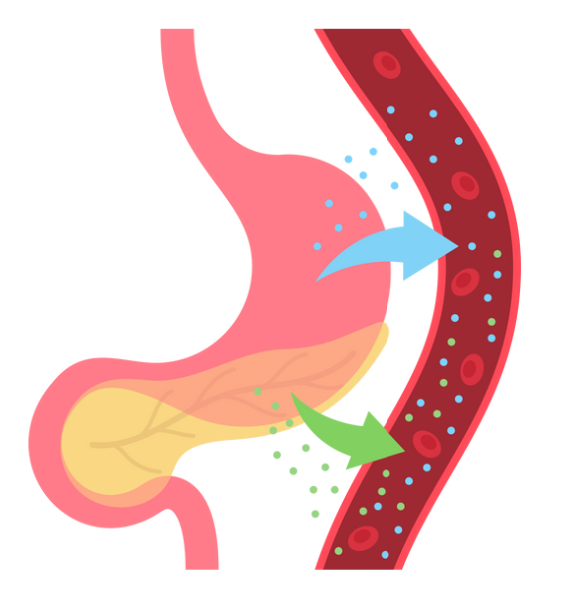
1. No specific chemical is identified in the provided material.
2. The illness is linked to genetic predisposition together with environmental factors such as rapid growth and nutrition.
3. The text describes abnormal hip development and joint laxity rather than a lacking chemical.

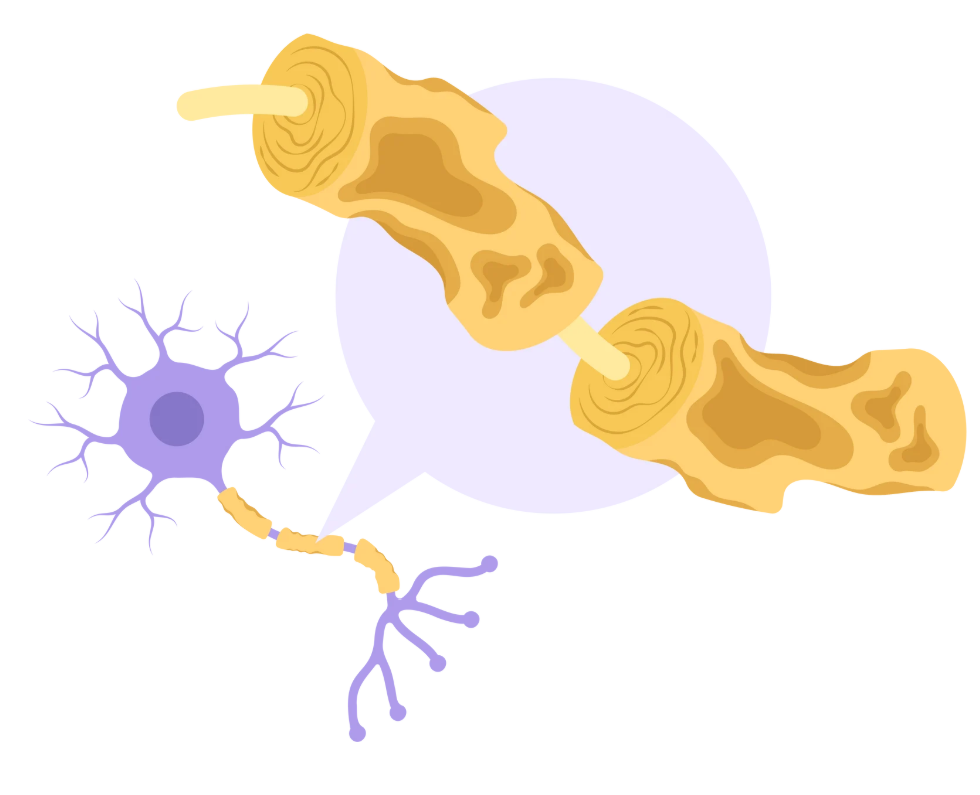
1. Functional myelin support is lacking because a genetic mutation affects the SOD1 gene.
2. The provided material links this to degeneration of the myelin sheath covering spinal cord neurons.
3. This can make the spinal cord more vulnerable to progressive neurologic decline.

1. No specific chemical is identified in the provided material.
2. The condition is linked to hereditary developmental defects that cause abnormal bone growth and joint incongruity.
3. The text describes structural elbow abnormalities rather than a missing nutrient or compound.
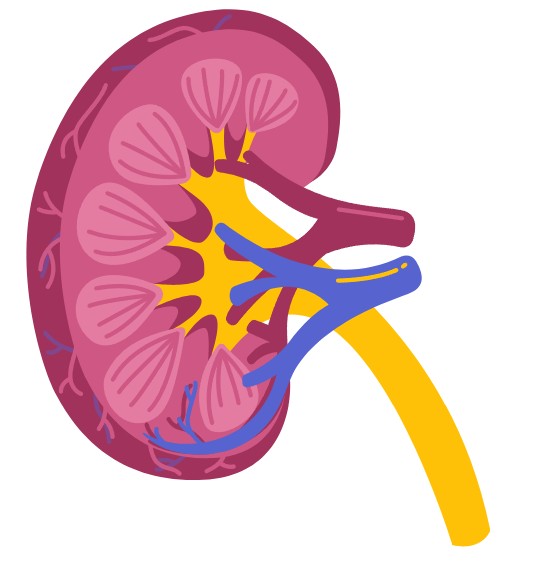
1. No specific chemical is identified in the provided material.
2. The disorder is linked to abnormal electrical activity in the brain with no identifiable structural or metabolic cause.
3. The text describes altered neurologic signaling rather than a missing chemical.

+852 6358 3131
香港中環德輔道中84-86號章記大廈9樓01室
週一到週日,早上10點到下午9點
 +852 9160 8619
 +852 9160 8619