我們的服務
寵物護理服務
獸醫服務
其他
Length range : 79-97 cm
Height range : 56-71
Weight range : 45-79
Coat : Short|smooth|dense|shiny
Life expectancy years : 9-Dec
Colors: red|brown|fawn|brindle|yellow|black mask.
Activitity Level : Active
Origin: South Africa
Similar Breeds : Bullmastiff|Cane Corso|Mastiff|Rottweiler
The breed traces to South Africa in the 1650s when settler dogs including Jan van Riebeeck’s Bullenbijter and other European mastiff-type dogs were crossed with local dogs to create a capable farm guardian. The modern breed was formally defined in 1983 by the South African Boerboel Breeders Association and later gained AKC recognition in 2015.
Reliable , stable , balanced , discerningÂing , territorial , people-oriented , playful with family , wary of strangers , not unnecessarily aggressive
loyal, athletic, friendly, social, confident, lively, intelligent, active, brave, affectionate
experienced owner, large secure garden, frequent exercise, constant stimulation, focused training, weight management, skin care attention
Early socialization with people and dogs, may be guarded with unknown dogs, can get along with pets and children with training
Weekly brushing, bathe when dirty, wrinkle and skin-fold care, check ears and skin regularly
Quality dog food, large-breed puppy food for first 14 months for slow steady growth, avoid added calcium in puppies until adult food, adult large-breed food may be used, watch portions and keep lean
frequent exercise, jogs, hikes, long walks, tug-of-war, training exercises, non-impact puppy exercise, constant stimulation
early socialization, puppy training classes, firm but loving boundaries, positive reinforcement and fun games, teaching not to run up to strangers or other dogs, force and fear methods is not recommended
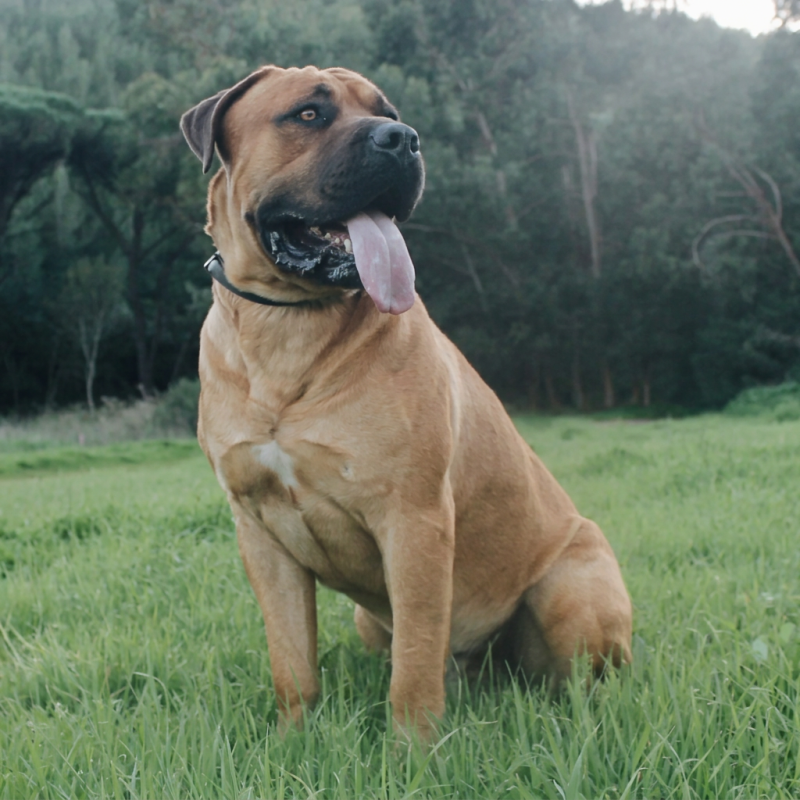
A well-balanced athletic dog with muscular shoulders and chest , broad head , strong bone , short harsh coat , utility-dog outline and an overall impression of strength , endurance , agility and friendly attitude.
The name Boerboel comes from Afrikaans and means farm dog or farm mastiff.
Hip Dysplasia, Ectropion and Entropion, Gastric Dilatation-Volvulus, Cranial Cruciate Ligament Rupture, Juvenile Epilepsy
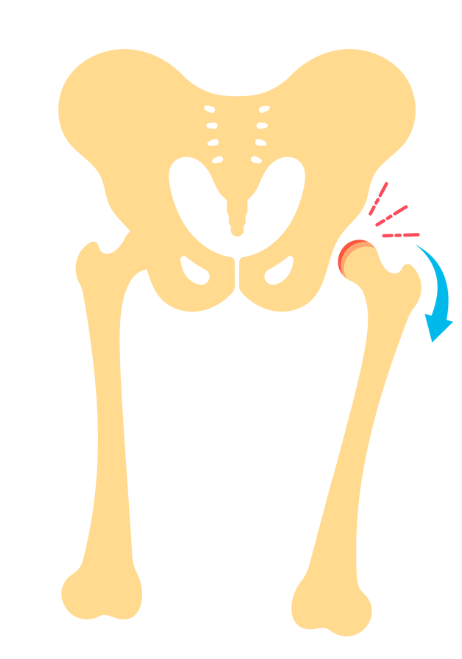
1. lameness or limping
2. reluctance to rise or jump
3. shifting weight to forelimbs
4. rear limb muscle loss
5. hip pain
1. watery or mucoid ocular discharge
2. conjunctival redness
3. blinking or squinting and pawing at the face may occur
4. corneal cloudiness or ulceration might develop
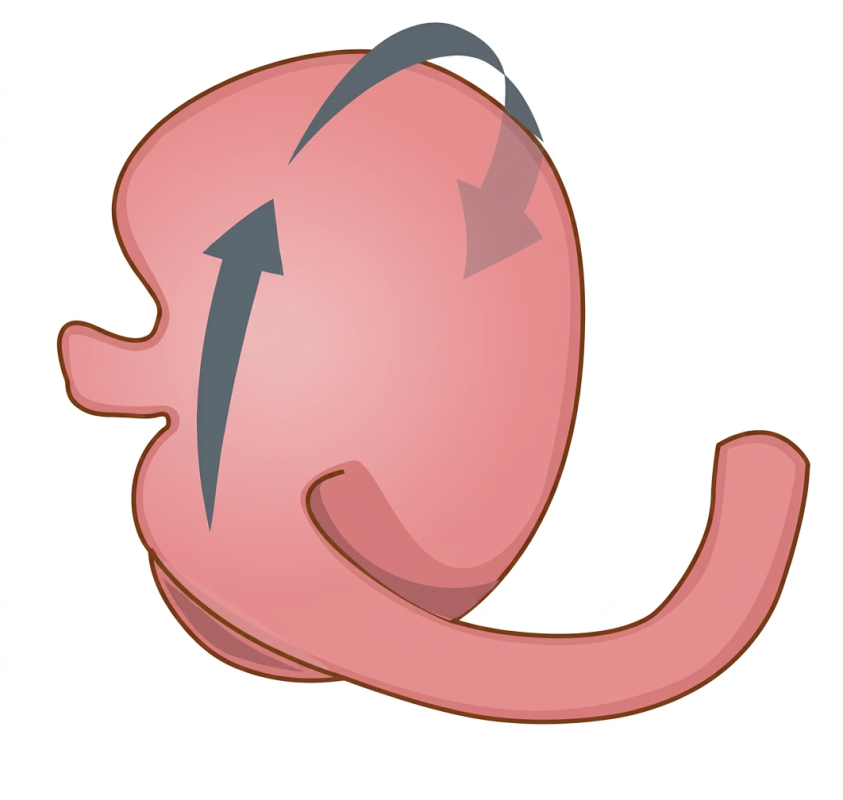
1. unproductive retching
2. excessive salivation
3. distended rigid abdomen and extreme restlessness may occur
4. panting
5. pale gums and shock might progress rapidly
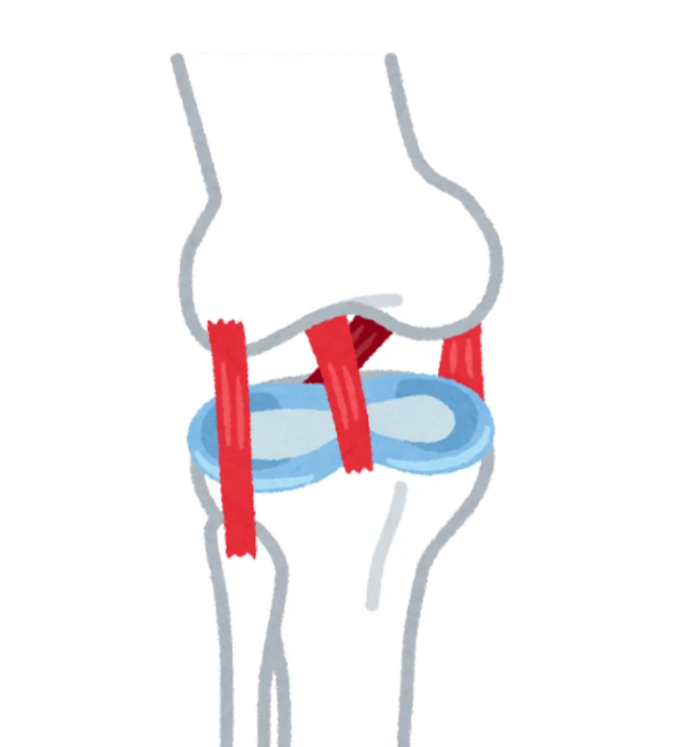
1. sudden or gradual non-weight-bearing hindlimb lameness
2. holding the leg flexed and knee swelling may occur
3. a clicking sound when walking might develop
1. sudden collapse
2. rigid limbs
3. jaw chomping
4. salivation and involuntary urination or defecation may occur
5. a disoriented post-ictal phase might follow
1. dogs may show signs at any stage
2. younger dogs may have laxity without arthritis
3. mature dogs may show arthritis-related signs
4. supplied breed notes suggest 6-12 months or from 3 years onward
1. the large breeds are commonly affected and supplied breed notes describe high risk
1. typically becomes apparent between 6 months and 1 year as the skull and facial skin mature
1. moderate to high
1. is most common in mature adults and seniors
2. often occurs within a few hours after a large meal or a massive volume of water
1. high
1. can happen at any adult stage
2. peak occurrence is noted between 2 and 6 years
1. high
1. often manifests between 2 months and 6 months of age
1. breed-specific risk
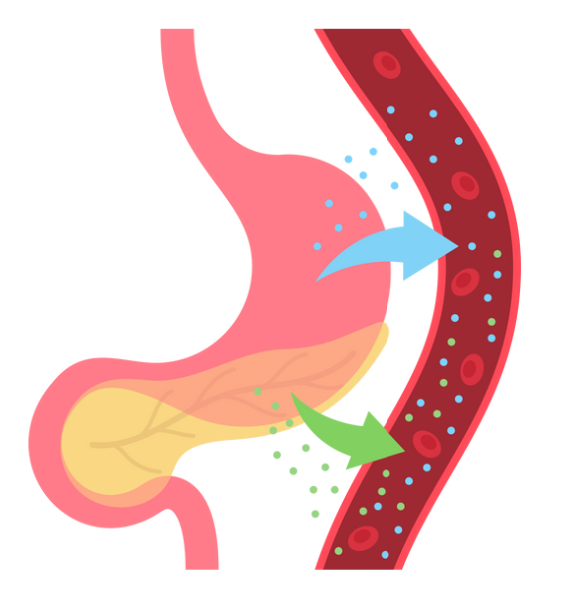
1. no specific chemical lack is indicated because this is mainly structural and genetic

1. this is not a chemical deficiency and is an acute structural and circulatory emergency

1. no specific chemical lack is indicated because this is linked to heavy skull structure , loose facial skin folds and large facial size that alter normal eyelid alignment
1. no specific chemical lack is indicated because this is linked to chronic conformational stress , joint angulation defects and micro-tearing that are amplified by immense body weight

+852 6358 3131
香港中環德輔道中84-86號章記大廈9樓01室
週一到週日,早上10點到下午9點
 +852 9160 8619
 +852 9160 8619