我們的服務
寵物護理服務
獸醫服務
其他
Length range : 89-102 cm
Height range : 66-76cm
Weight range : 36-59kg
Coat : Dense double coat|coarse outer coat|soft insulating undercoat|weatherproof|all-black|black with scattered grey hairs|trimmed body with fuller beard , eyebrows and legs
Life expectancy years : 10-Dec
Colors: black|black with scattered grey hairs
Activitity Level : Moderate to high
Origin: Russia
Similar Breeds : Giant Schnauzer|Airedale Terrier|Kerry Blue Terrier|Rottweiler
Developed in the late 1940s and 1950s in the USSR at Red Star Kennels through crosses that included Giant Schnauzer , Rottweiler , Newfoundland , Airedale Terrier and other working dogs. Breeders aimed to create a versatile military and service dog that could work in varied climates and later refined the breed for stable appearance and working ability.
calm|confident|aloof with strangers|dominant|devoted to family|highly trainable with structure|strong-willed|protective
courageous|confident|intelligent|loyal|protective|independent|even-tempered|friendly with family|resilient|self-assured|athletic
highly structured leadership|regular exercise|mental stimulation|early and consistent socialization|large secure outdoor space|frequent grooming|obedience work|experienced handling
thrives on human contact|strong family bonds|needs time with family|should be socialized with people , dogs and other animals early|may live with other pets when introduced properly
daily combing to the skin|brush at least a few times weekly|prevent matting|clip every 6 to 8 weeks|trim around ears , beard , paws|professional grooming may be needed|clean beard and check paws after walks|moderate shedding
balanced complete diet|large-breed appropriate feeding|fresh water|monitor body condition|scheduled meals|puppies three to four meals daily|adults twice daily|avoid strenuous exercise right before or after meals
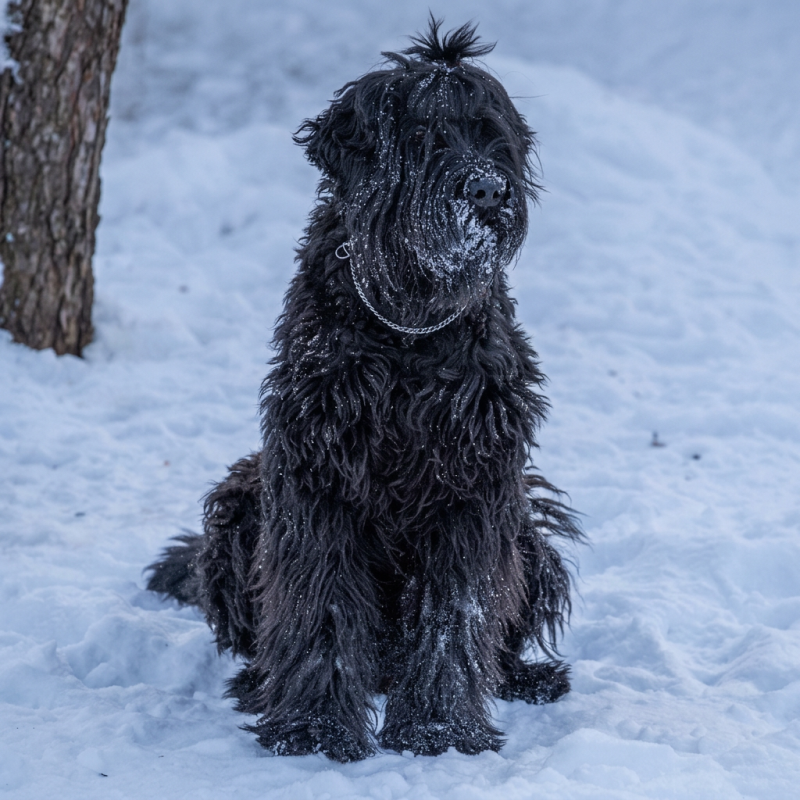
Large immensely powerful working dog with heavy bone and a coarse all-black coat. Confident , courageous and intelligent with a weather-resistant coat , strong musculature , dark eyes , triangular ears and protective bearing suited to working in varied climates.
Despite the name the Black Russian Terrier is not a true terrier. It was created in Soviet military kennels and later proved capable of tasks ranging from guarding and service work to agility , obedience and even pulling a small cart.
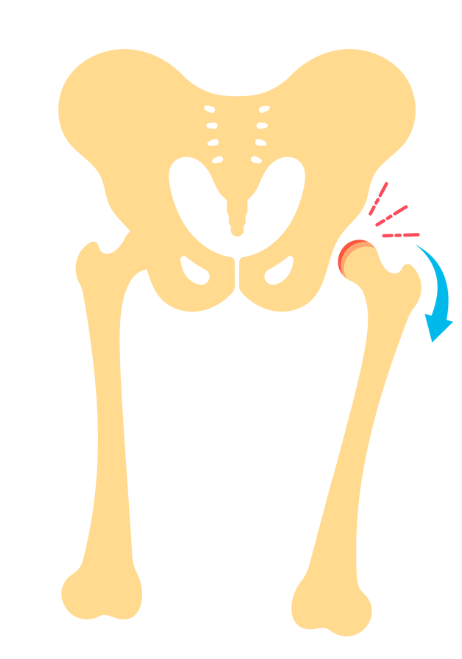
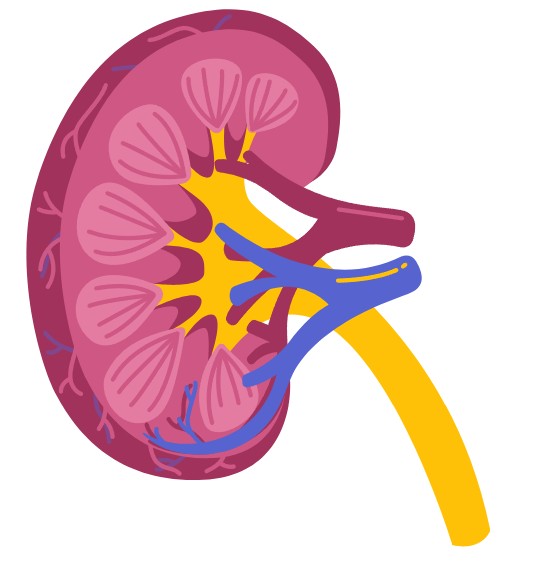
Hip Dysplasia, Elbow Dysplasia, Hyperuricosuria, Juvenile Laryngeal Paralysis and Polyneuropathy, Bloat
1. hind limb lameness , difficulty rising , bunny-hop gait and reluctance with stairs may occur
2. rear muscle thinning might develop
1. forelimb lameness , shortened front stride and elbow carried outward may occur
2. joint pain or fluid swelling on extension might develop
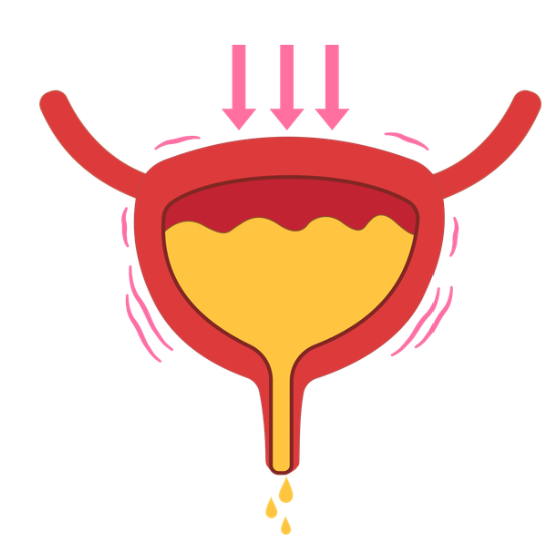
1. straining to urinate , blood-tinged urine , frequent small urinations and house accidents may occur
2. urinary blockage might develop especially in males
1. bark change , coughing or gagging while eating , noisy breathing and exercise intolerance may occur
2. hind leg weakness or dragging might develop
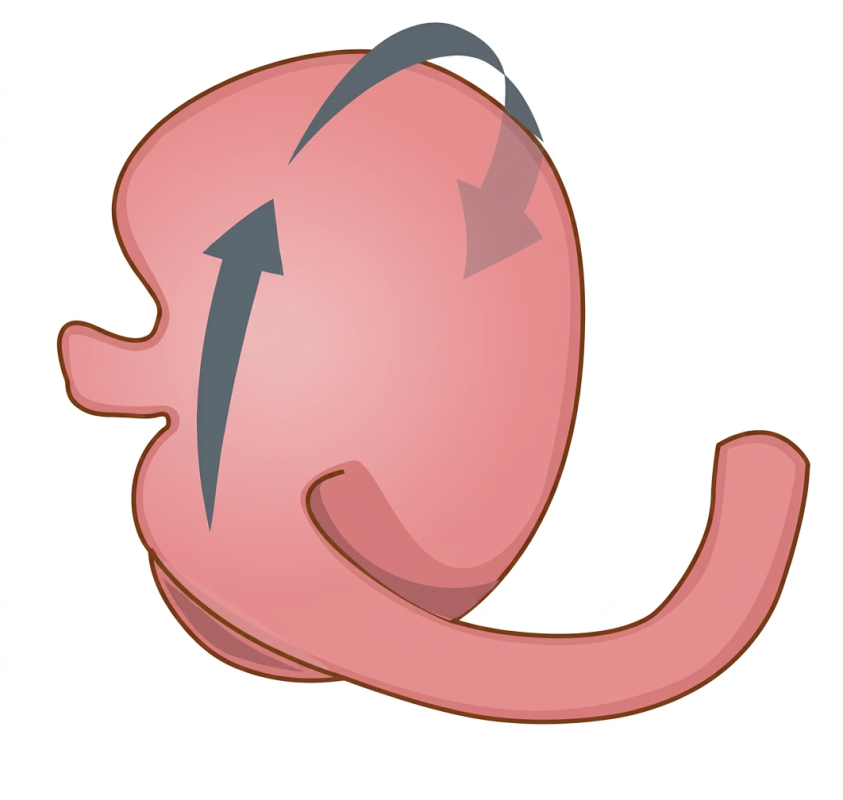
1. unproductive retching , swollen hard abdomen , restlessness , pacing and hypersalivation may occur
2. pale gums and rapid breathing might indicate shock
1. can emerge at 4 to 12 months in juvenile cases
2. often appears later as gradual stiffness in mature adults
1. high
1. typically emerges between 5 and 10 months of age during rapid growth
1. high
1. can manifest during adulthood
2. is often diagnosed between 3 and 6 years of age
1. very high
1. early signs usually emerge during puppyhood between 2 and 6 months of age
1. low to moderate
1. can strike suddenly at any adult stage
2. risk may rise in senior dogs and around large meals near heavy exercise
1. moderate to high
1. No specific missing chemical is identified in the provided material.
2. The condition is linked to polygenic inheritance with worsening from rapid growth , excess weight and high-impact strain on immature joints.
3. The text describes structural joint laxity rather than a nutrient deficiency.

1. Normal uric acid transport handling is lacking because of an inherited metabolic defect.
2. The provided material links this defect to excessive uric acid concentration in urine.
3. This makes stone formation and urinary blockage more likely.

1. No specific missing chemical is identified in the provided material.
2. The disorder is linked to unequal growth between the radius and ulna with mechanical stress and micro-fractures.
3. inherited skeletal mismatch rather than a missing nutrient or compound.
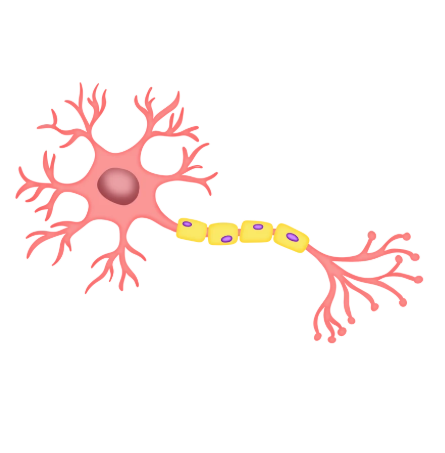
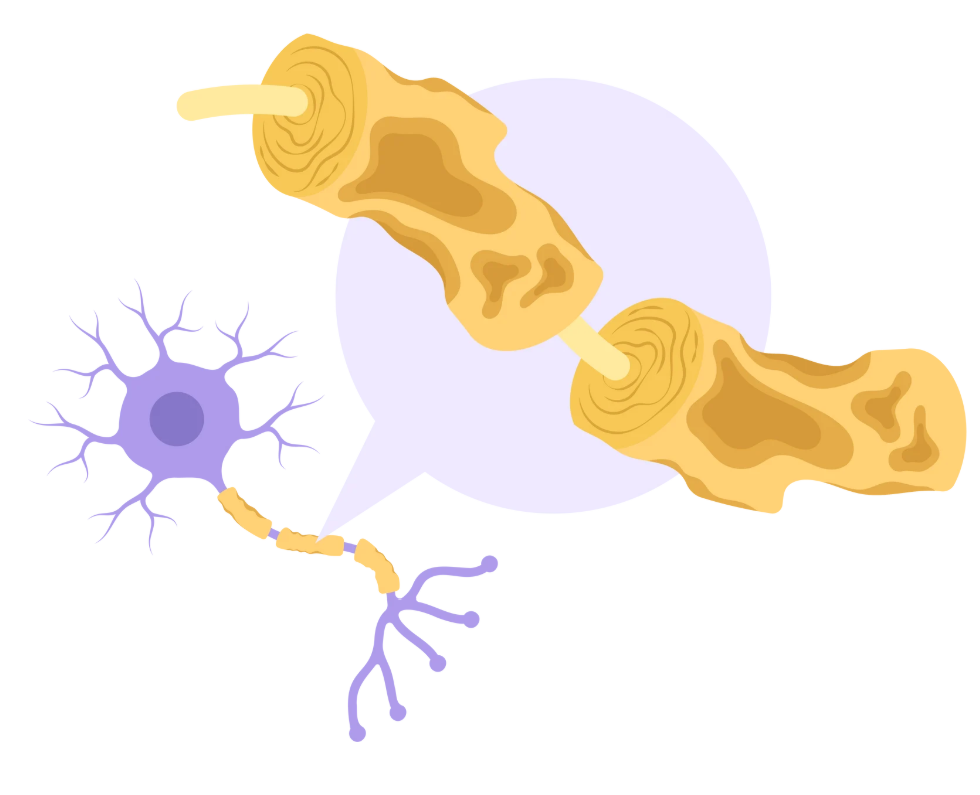
1. Protective myelin support around peripheral nerves is lacking because the myelin sheath progressively breaks down.
2. The provided material links that breakdown to worsening nerve failure.
3. This can lead to breathing difficulty , bark change and generalized weakness.

+852 6358 3131
香港中環德輔道中84-86號章記大廈9樓01室
週一到週日,早上10點到下午9點
 +852 9160 8619
 +852 9160 8619