我們的服務
寵物護理服務
獸醫服務
其他
Length range : 46-56 cm
Height range : 24-29cm
Weight range : 3-8.2kg
Coat : Curly|medium to long coat|double coat|silky outer coat|soft undercoat|powder-puff appearance|plush white coat|low shedding
Life expectancy years : 14-15
Colors: white|all white|white with cream|buff|apricot shadings|white and buff|cream|apricot|gray
Activitity Level : Moderate
Origin: France
Similar Breeds : Maltese|Havanese|Bolognese|Lowchen|Toy Poodle
The breed has deep Mediterranean roots and likely connections to Tenerife , Spain , Italy and France. Small curly-coated companion dogs reached mainland Europe centuries ago , became favorites of nobility during the Renaissance , later declined in popularity and then revived in France and Belgium before gaining recognition in the United States in the mid-20th century.
friendly|sociable|outgoing|gentle|playful|cheerful|affectionate|even-tempered
cheerful|friendly|affectionate|playful|gentle|easy-going|sociable|outgoing|adaptable|happy-go-lucky
near-daily companionship|regular grooming|daily brushing or frequent brushing|mental engagement|light to moderate exercise|dental care|gentle consistent handling
forms strong bonds with family|likes being included in activities|generally good with children|usually friendly with strangers|often gets along well with dogs and cats|can be left alone only for short periods
brush every two days as puppies|about one hour weekly thorough brushing for adults|near-daily brushing helpful to prevent matting|regular bathing and trimming|clean beard regularly|keep hair around eyes short|regular ear cleaning|regular nail trims|daily tooth brushing preferred
species-appropriate diet|high meat content preferred|around 25% protein may suit normal activity dogs|up to 30% protein noted|avoid sugar and poor-quality vegetable by-products|ensure enough water if feeding dry food|small-breed kibble can suit tiny jaws|adapt food to age and lifestyle
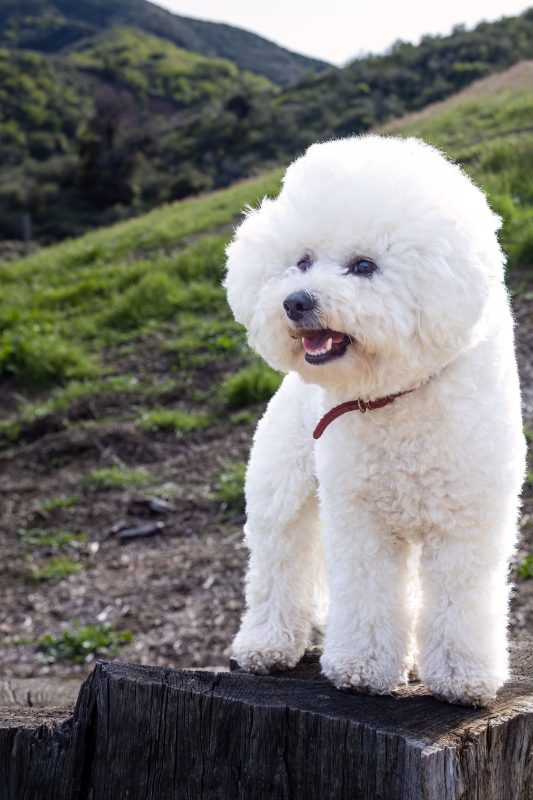
Small companion dog with a compact sturdy body , dark eyes , black nose , drop ears and a plumed tail carried over the back. The hallmark coat is curly , plush and predominantly white with a cheerful , balanced and affectionate expression.
The Bichon Frise name roughly translates to a curly-haired lapdog and the breed spent centuries charming nobles , artists and households before becoming a modern favorite. Though fluffy and elegant , it is also a lively little dog that enjoys learning tricks and sharing adventures.
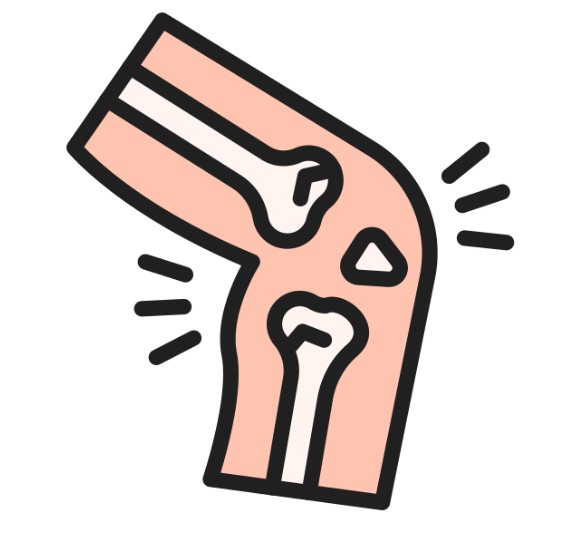
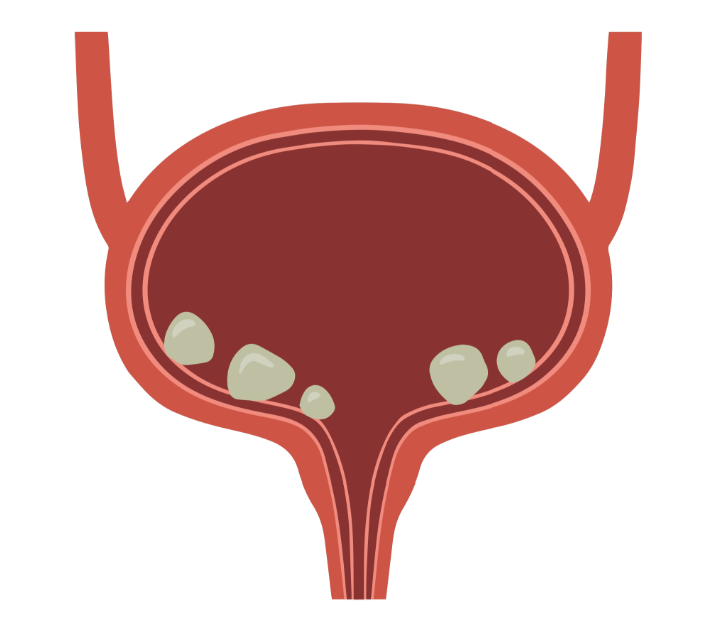
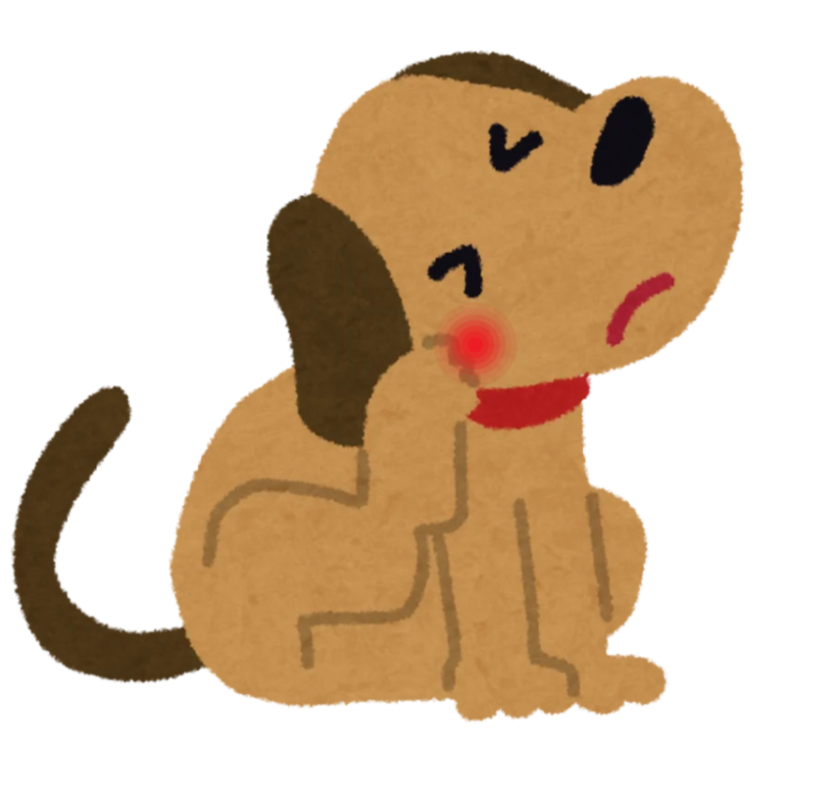
Patellar Luxation, Hyperadrenocorticism, Urolithiasis, Atopic Dermatitis, Juvenile Cataracts
1. intermittent hind-limb skipping , sudden limping , holding a rear leg up briefly and early stiffness may occur
2. bow-legged posture and discomfort might develop
1. excessive thirst , frequent urination , increased appetite , pot-bellied abdomen and muscle weakness may occur
2. thin skin and symmetrical trunk hair loss might develop
1. straining to urinate , blood in the urine , frequent small urinations and house accidents may occur
2. urinary blockage might become life-threatening especially in males
1. intense itching , paw licking , face rubbing , red inflamed ears and hot spots may occur
2. hair staining or loss and chronic ear irritation might develop
1. white milky or bluish-gray haze in the pupil , clumsiness , bumping into objects and hesitation in dim light may occur
1. may emerge as early as 4 to 6 months during development
2. may become more obvious or arthritic with maturity
1. high
1. typically emerges around 7 to 11 years of age
1. moderate
1. may occur at any stage of adulthood
2. is most frequently diagnosed between 4 and 8 years old
1. high
1. typically appears between 6 months and 3 years of age
1. very high
1. can develop between 6 months and 3 years of age
1. moderate
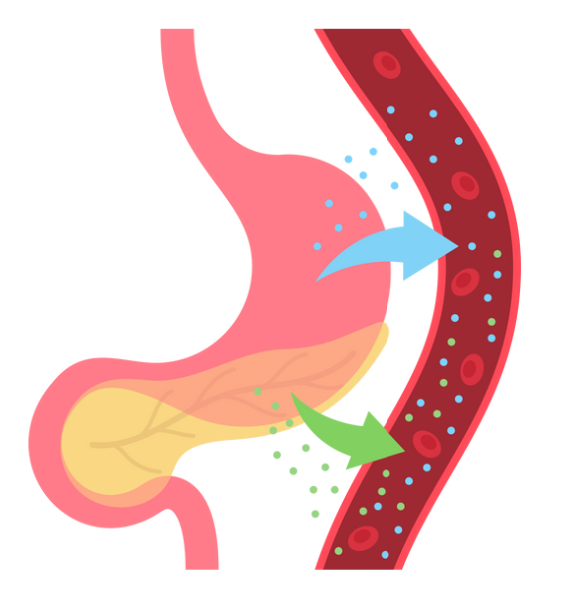
1. No specific missing chemical is identified in the provided material.
2. The illness is linked to a heritable shallow femoral groove , tendon misalignment or structural bowing of the tibia and femur.
3. The text connects the disorder to congenital joint structure problems rather than a nutrient deficiency.
1. Water may be insufficient when urine volume is low and urine becomes concentrated.
2. The text states that low water intake and low urine output can contribute to mineral crystal and stone formation.
3. An optimal mineral balance may help limit urinary stone risk.

1. No specific missing chemical is identified in the provided material.
2. The illness is caused by chronic cortisol overproduction from pituitary or adrenal tumors.
3. The text links the condition to endocrine excess rather than a lacking nutrient or compound.
1. The skin’s protective moisture barrier is described as defective in this condition.
2. Omega-3 and omega-6 fatty acids are identified as nutrients that may support barrier repair.
3. This weakened barrier and altered immune regulation may make the body overreact to otherwise harmless allergens.

+852 6358 3131
香港中環德輔道中84-86號章記大廈9樓01室
週一到週日,早上10點到下午9點
 +852 9160 8619
 +852 9160 8619