我們的服務
寵物護理服務
獸醫服務
其他
Length range : 84-99 cm
Height range : 56-66cm
Weight range : 23-32kg
Coat : Rough|medium-length|harsh crisp weather-proof coat|dense undercoat|wiry|slightly wavy|rustic shaggy appearance
Life expectancy years : 12-15
Colors: fawn|brindle|grey|grey-black|light grey with black sheen|bluish-grey|reddish-grey|orange , mahagoni red|blue , silver|cream|small white markings on paws and chest
Activitity Level : Very Active
Origin: France
Similar Breeds : Beauceron|Briard|German Shepherd|Belgian Shepherd|Bearded Collie
The Berger Picard is one of the oldest French herding breeds from Picardy in northern France and has worked for centuries as a flock dog. Its progress in formal breeding was disrupted by World War I and World War II in its home region , leaving the breed rare and nearly extinct before enthusiasts preserved it and it gained wider recognition in the 20th century.
courageous|smart|energetic|friendly|alert|independent problem-solver|watchful with strangers|gentle with family
smart|energetic|friendly|courageous|loyal|observant|people-oriented|independent|sensitive|watchful
large private garden preferred|active lifestyle|mental stimulation|early socialization|positive training|loving consistency|not suited to small apartment living
people-oriented and loyal with family|can be good with children if properly socialized|can live with other pets especially if raised with them|wary or aloof with strangers
weekly brushing recommended|more often during moulting|easy coat care|infrequent bathing to preserve natural oils|low grooming needs outside shedding season|trim nails regularly
high-quality balanced diet|protein-rich food for lean muscle support|food choice can be wet , dry , home-cooked or BARF if it suits the dog|avoid frequent food changes
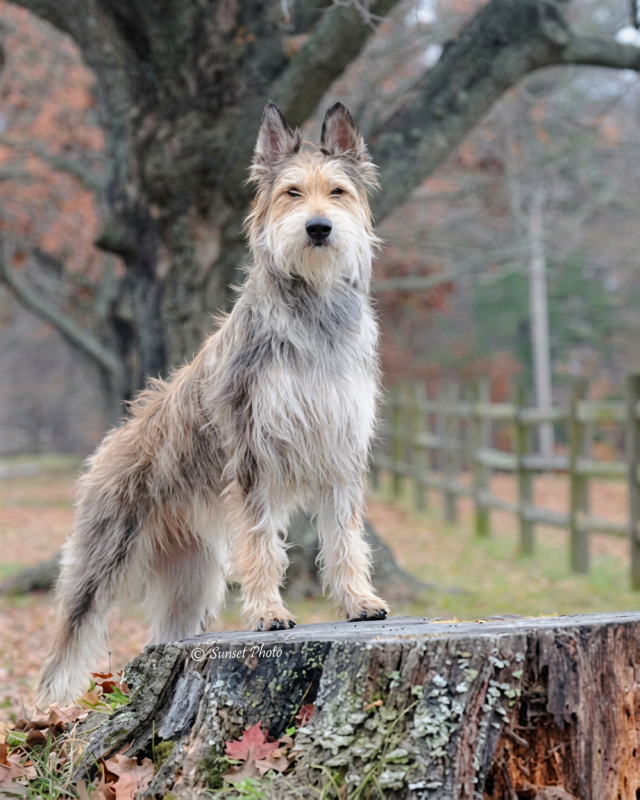
Ancient French herding dog from Picardy with a medium-sized , sturdy and well-muscled body , erect high-set ears and a harsh weather-proof rustic coat. The breed is traditionally fawn or brindle and should appear alert , agile and capable of sustained pastoral work.
The Berger Picard nearly vanished after both World Wars in northern France and remains rare today. Many people outside the breed first recognized it from film appearances , including Because of Winn-Dixie and the Eberhofer crime films’ dog Ludwig.
Hip Dysplasia, Progressive Retinal Atrophy, Multi-Ocular Defects, Gastric dilatation-volvulus bloat
, Cryptorchidism
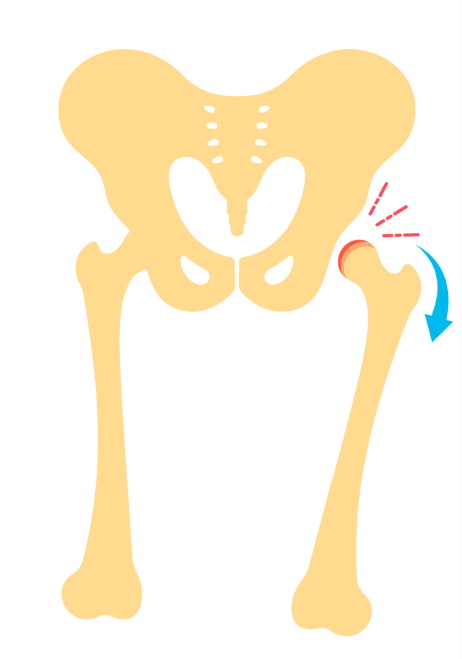
1. hind limb lameness , difficulty rising , bunny-hopping gait and reluctance to jump or use stairs may occur
2. muscle thinning in the hindquarters might develop
1. poor night vision , hesitation entering dark rooms , dilated or hyper-reflective pupils may occur
2. progressive daytime vision loss and eventual blindness might develop
1. cloudy or white lens spots , tissue strands across the iris , abnormal tracking behavior or unusually small eyeballs may occur
2. visual impairment might vary by defect severity
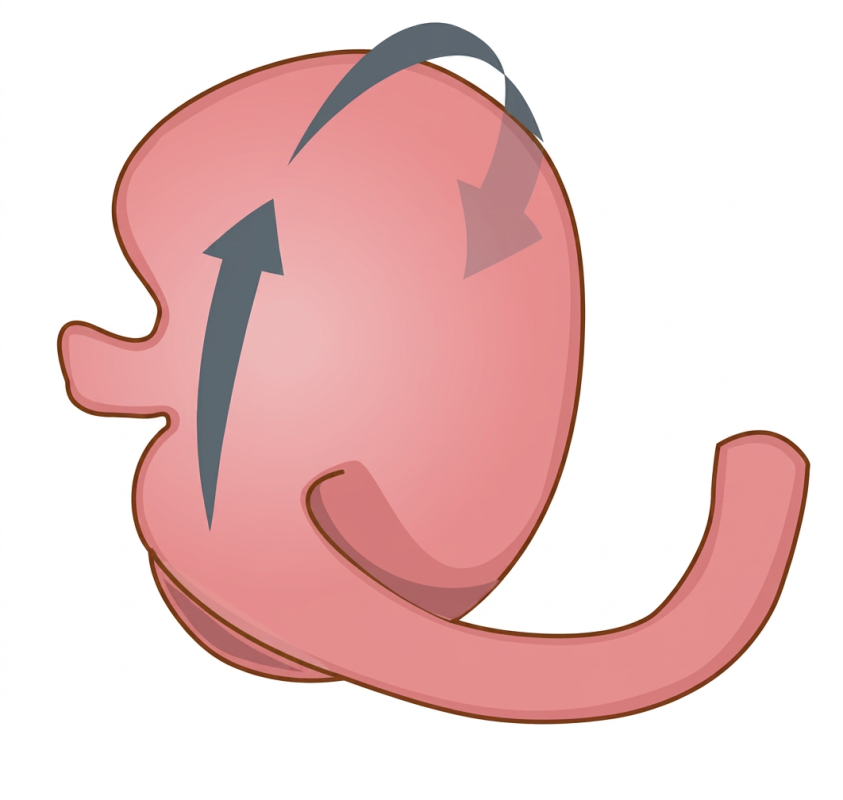
1. completely unproductive retching or gagging , swollen firm abdomen , restless pacing and excessive drooling may occur
2. pale gums and cold extremities indicating shock might develop
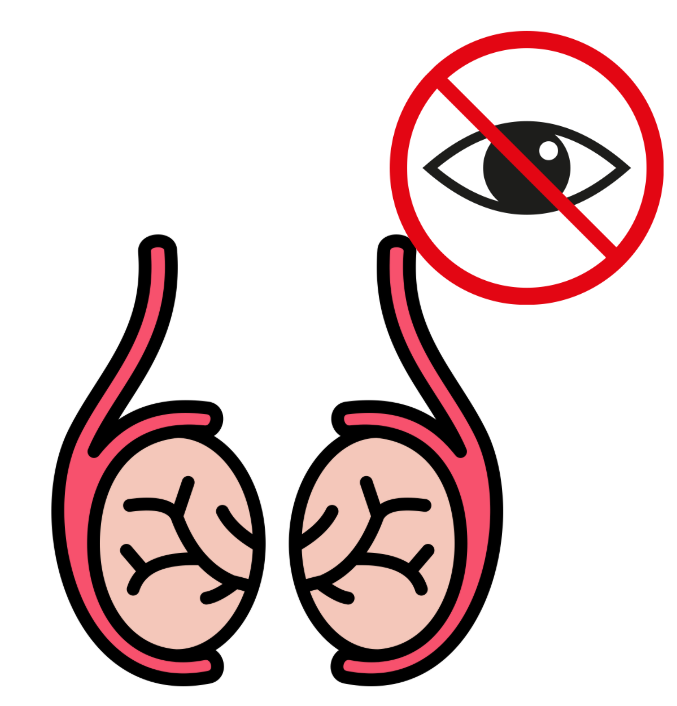
1. one or both testicles may be absent from the scrotal sac by puppyhood
2. the condition may be otherwise asymptomatic day-to-day but long-term cancer risk might increase
1. severe juvenile cases may emerge between 4 and 12 months
2. more often it may present as gradual stiffness in mature to senior dogs
1. Moderate
1. typically may become clinically diagnosable between 2 and 5 years of age
1. Moderate
1. many defects may be congenital and present at birth
2. secondary cataracts may mature and worsen as the dog grows
1. low to moderate
1. may occur acutely at any point in adulthood especially around a single massive meal or heavy water intake near strenuous activity
1. Moderate
1. usually becomes apparent in early puppyhood and is often diagnosed by 6 months
1. low to moderate
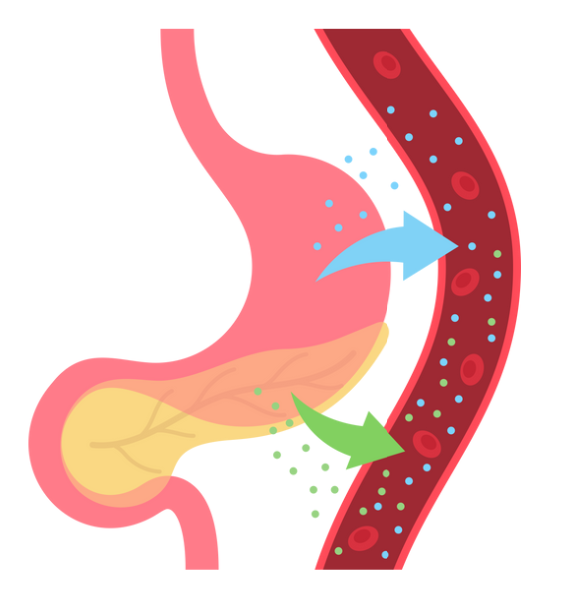
1. No specific missing chemical is identified in the provided material.
2. The condition is described as polygenic and is worsened by rapid weight gain , overnutrition and improper high-impact exercise during development.
3. The text links the disorder to inherited joint formation problems rather than a defined nutrient deficiency.

1. No specific missing chemical is identified in the provided material.
2. The condition is described as a heritable disturbance affecting embryonic ocular tissue development.
3. The text links abnormal eye structure to developmental disruption rather than a nutrient lack.

1. The text states that an autosomal recessive mutation may interrupt vital cellular metabolism and structural maintenance in the retina.
2. No specific missing dietary chemical is identified in the provided material.
3. Loss of normal retinal cellular support may make vision progressively fail over time.
1. No specific missing chemical is identified in the provided material.
2. The condition is tied to deep-chested anatomy and lifestyle triggers such as rapid eating , stress or intense post-meal exercise.
3. The text describes mechanical stomach rotation risk rather than a chemical deficiency.

+852 6358 3131
香港中環德輔道中84-86號章記大廈9樓01室
週一到週日,早上10點到下午9點
 +852 9160 8619
 +852 9160 8619