我們的服務
寵物護理服務
獸醫服務
其他
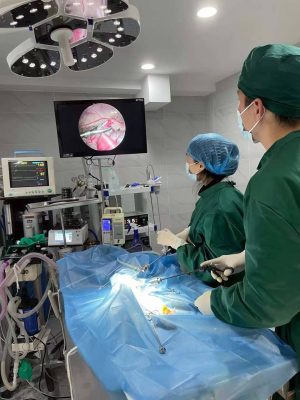
Length range : 86-102 cm
Height range : 56-66cm
Weight range : 18.1-36.3kg
Coat : Short|waterproof double coat|lean working coat|seasonal undercoat shedding
Life expectancy years : 10-16
Colors: fawn|mahogany|rich fawn to mahogany|black mask|black ears
Activitity Level : Very High
Origin: Belgium
Similar Breeds : German Shepherd|Dutch Shepherd|Belgian Tervuren|Belgian Sheepdog|Belgian Laekenois
The Belgian Malinois traces back to Belgian shepherd dogs identified in 1891 near Brussels under the guidance of Adolphe Reul. It developed as the short-haired fawn-to-charcoal Belgian shepherd from the Malines region and was later separated as a distinct breed in the United States in 1959 after earlier registration as a Belgian Shepherd. The breed rose in popularity through working roles in law enforcement , military , tracking , herding and search-and-rescue.
confident|reserved with strangers|affectionate|protective|energetic|loyal|sensitive
intelligent|confident|loyal|energetic|hard-working|protective|sensitive|devoted|reserved with strangers|fast learner
very high physical activity|daily mental stimulation|close human partnership|early socialization|secure fenced space|purposeful work
forms an unbreakable bond with family|may be reserved or protective with strangers|can be fine with older kids when trained|requires supervision around children due to prey and herding drive
easy to care for|occasional brushing or a couple of brushings a week|seasonal shedding twice yearly|bath as needed|monthly ear checks and cleaning|regular nail trims|daily dental care
high-quality complete and balanced diet|often benefits from high protein for activity demands|feed age-appropriate food|twice daily for adults|puppies may need more frequent meals|treats should stay limited to avoid overweight risk
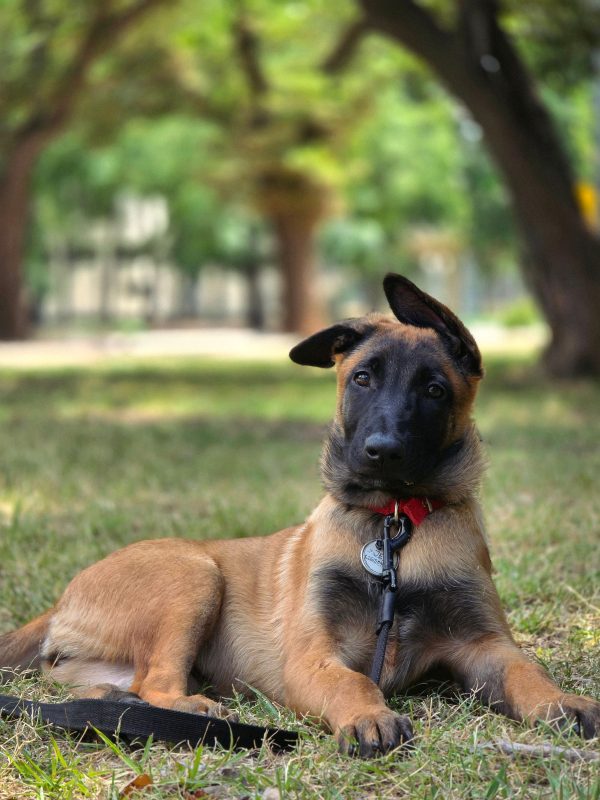
A medium-to-large , squarely built , lean and muscular herding dog with pointed black ears , brown eyes , black mask and a short fawn to mahogany coat. The breed should show athleticism , balance , vigilance and readiness for demanding work without heaviness.
The Belgian Malinois is one of the most popular police dog breeds in the world and is often chosen for demanding military and protection work. Though often mistaken for a German Shepherd , it is typically lighter , shorter-backed and even more intensely driven.
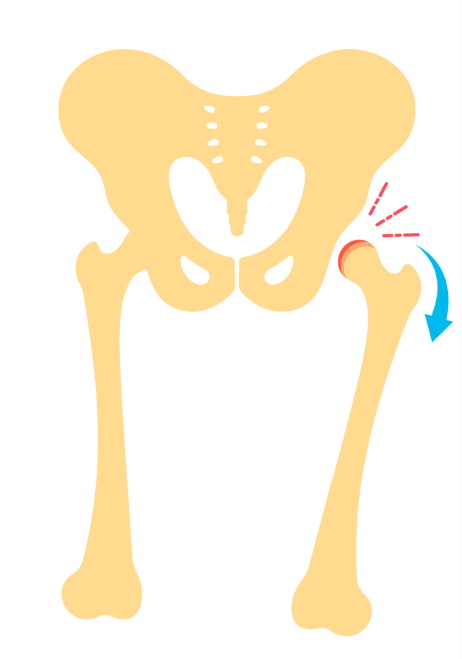
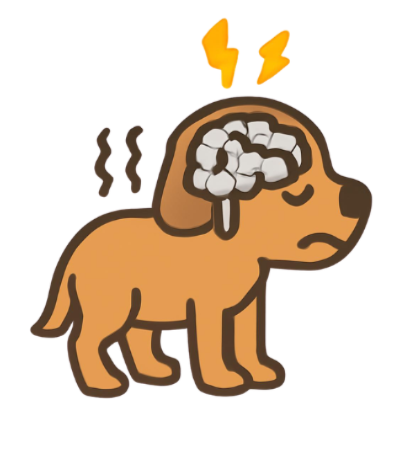
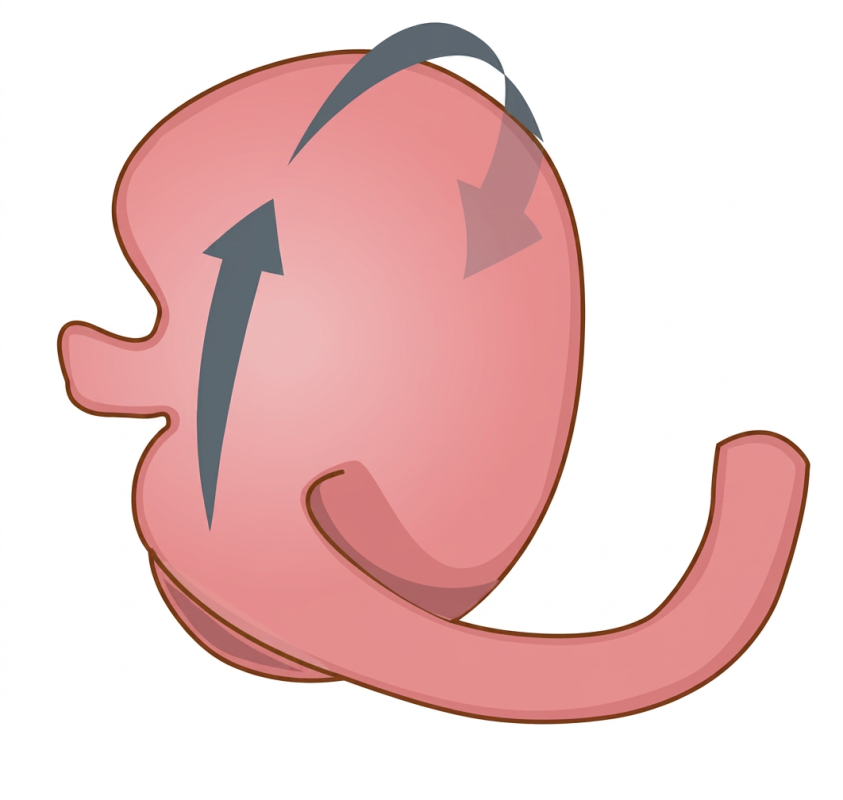
Hip Dysplasia, Idiopathic Epilepsy, Progressive Retinal Atrophy, Elbow Dysplasia, Gastric Dilatation-Volvulus
1. hind limb lameness , difficulty rising , bunny-hop gait and reluctance to jump or climb stairs may occur
2. localized pain or muscle atrophy in the hindquarters might develop
1. involuntary muscle contractions , rigid limbs , paddling , salivation and jaw snapping may occur
2. loss of consciousness and a postictal phase with disorientation , pacing or temporary blindness might appear
1. loss of night vision , hesitancy in dim areas , dilated or hyper-reflective pupils may occur
2. cloudy eye sheen and eventual daytime vision loss might develop
1. forelimb lameness that worsens after exertion , elbow held away from the body , swelling and reduced range of motion may occur
1. unproductive retching or vomiting , hard distended abdomen , extreme restlessness and hypersalivation may occur
2. pale gums and rapid shallow breathing might indicate shock
1. severe juvenile signs may appear from 4 to 12 months though many cases may become more obvious in mature or senior dogs
1. moderate probability and notes OFA clearance is a major breeding concern
1. typically may manifest between 1 and 5 years of age
1. breed-specific risk with some lines showing higher incidence than the general dog population
1. typically may become clinically visible between 3 and 7 years of age
1. low to moderate probability and notes DNA screening and annual eye clearances
1. early signs usually may emerge between 5 and 10 months during rapid growth
1. moderate probability and notes structural screening for working fitness
1. may occur at any age though risk might rise in adult and senior dogs especially around meals and heavy exercise
1. moderate probability because the breed is deep-chested and narrow-waisted
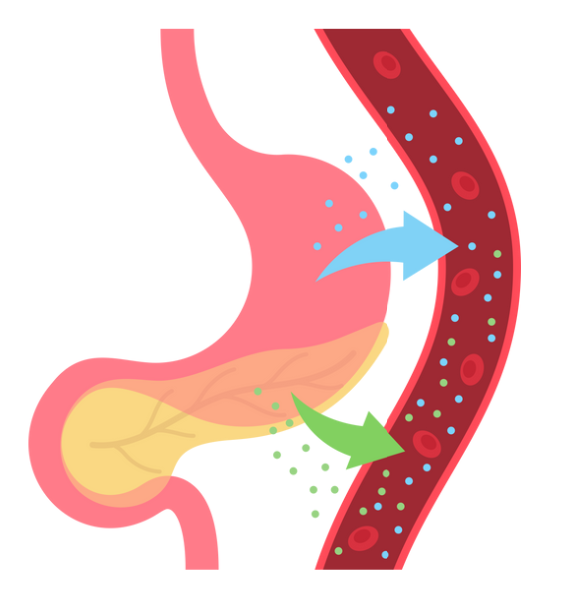
1. no specific chemical lack is indicated and the text suggests polygenic orthopedic inheritance with environmental aggravation.
2. The content indicates the joint problem may involve poor fit and progressive osteoarthritis rather than a nutrient deficiency.
3. It suggests rapid growth and weight management issues may worsen mechanical stress.

1. no specific chemical deficiency is identified and the text points to an autosomal recessive mutation.
2. The content suggests the mutation may disrupt normal metabolic function and cellular survival in retinal tissue.
3. It indicates retinal cell degeneration may progress over time rather than result from a dietary lack.

1. the text indicates the chemical and electrical balance of neurotransmitters in the cerebral cortex may be altered.
2. No single missing nutrient is identified in the provided material.
3. The content suggests heritable imbalance in brain signaling may trigger synchronized electrical overactivity.
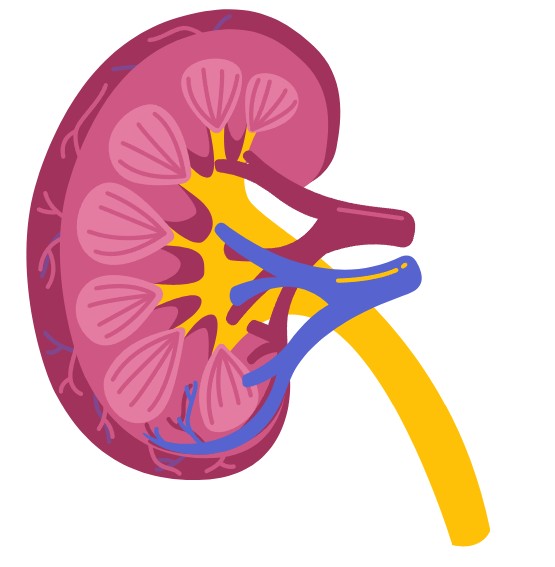
1. no specific chemical lack is indicated and the text describes developmental joint incongruity.
2. The content suggests abnormal growth rates between the radius and ulna may create mechanical stress.
3. It indicates the condition is structural and inherited rather than caused by a defined missing compound.

+852 6358 3131
香港中環德輔道中84-86號章記大廈9樓01室
週一到週日,早上10點到下午9點
 +852 9160 8619
 +852 9160 8619