我們的服務
寵物護理服務
獸醫服務
其他
Length range : 58-69 cm
Height range : 38-44cm
Weight range : 8-10kg
Coat : Medium-length curly coat with a unique mix of hard and soft hair|shaggy and linty texture|topknot on head
Life expectancy years : 12-16
Colors: blue|liver|sandy|blue and tan|sandy and tan|liver with or without tan
Activitity Level : Average
Origin: United Kingdom
Similar Breeds : Dandie Dinmont Terrier|Whippet|Otterhound
The Bedlington Terrier was developed in Bedlington , Northumberland in North East England in the early 19th century. Originally known as the Rothbury Terrier , it was bred to hunt foxes , hares , badgers , rats and other vermin , later appearing in dog races , sports , conformation and companion homes. The breed was later welcomed by elites and recognized by the AKC in 1967.
alert|friendly|gentle|independent|resilient|reserved|assertive|courageous
genial|alert|friendly|gentle|intelligent|loyal|obedient|even-tempered|reserved|playful|courageous|headstrong
moderate grooming|ample exercise|recreation to prevent boredom|secure environment for chasing instincts|routine health monitoring
good family companion|friendly to strangers|loving with children|may be jealous or unwelcoming toward other pets without early adaptation
specialized clipping every 6 weeks|weekly or regular coat maintenance|little to no shedding|maintain the topknot and curly coat|monitor pads because cracked or corny pads are a breed-watch concern
balanced diet with attention to liver health in predisposed lines|for affected dogs a low-copper diet may be needed under veterinary guidance|portion control supports joint health
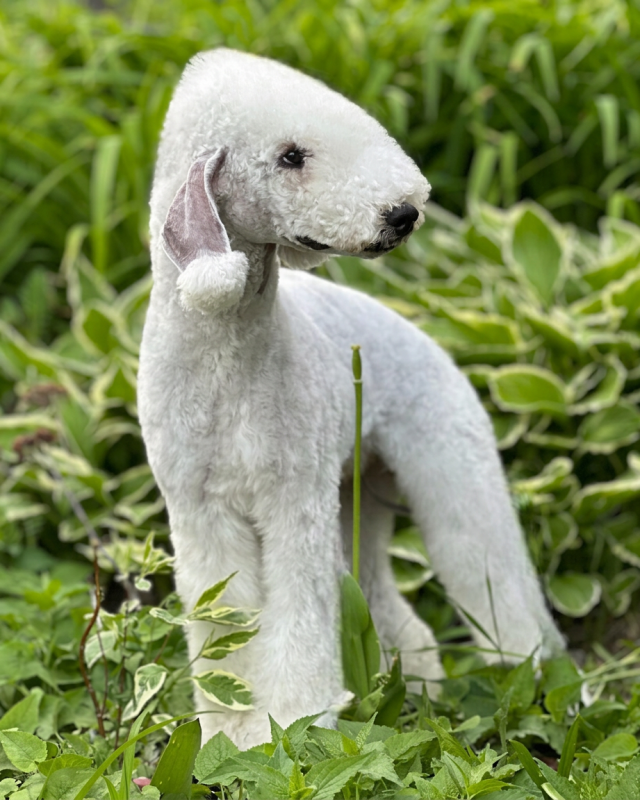
A small , graceful , muscular terrier with a pear-shaped head , Roman-arched muzzle , arched back and springy gait. The coat should be curly , linty and lamb-like with a distinctive topknot and refined yet athletic outline.
The Bedlington Terrier was once known as the Rothbury Terrier and became famous for looking like a lamb while retaining true terrier courage. Its blue coat is especially fashionable and more prevalent today.
Copper Toxicosis, Distichiasis and Ectopic Cilia, Retinal Dysplasia and Progressive Retinal Atrophy, Patellar Luxation, Renal Cortical Hypoplasia
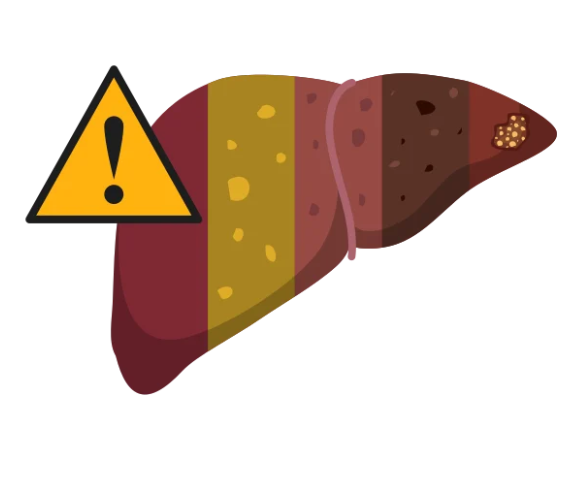
1. lethargy , progressive weight loss , vomiting , jaundice and dark urine may occur
2. acute crisis might include sudden depression , dark or bloody vomit , collapse and severe abdominal pain
1. chronic squinting , excessive tearing , pawing at the face and eye redness may occur
2. corneal ulcers with cloudy spots might appear
1. night blindness , bumping into objects in dim light , dilated pupils and shiny eyes may occur
2. total blindness might develop over time
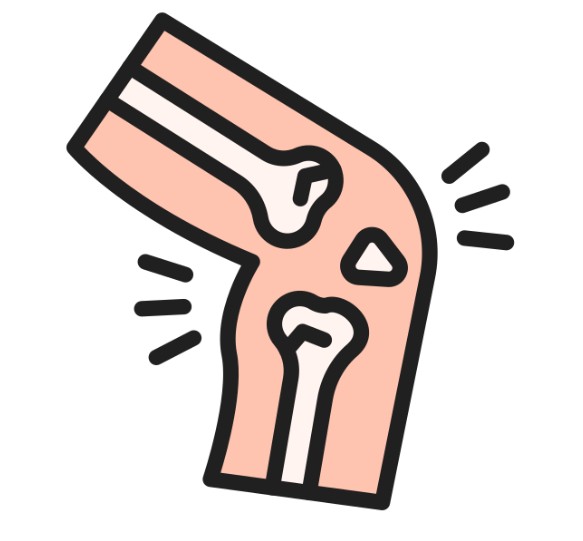
1. sudden skipping or hopping on three legs may occur
2. chronic cases might cause persistent limp and early osteoarthritis
1. excessive thirst and urination , stunted growth , dull coat and poor appetite may occur
2. vomiting and ammonia-like breath might appear
1. symptoms typically may appear between 2 to 5 years though copper may accumulate silently for years
1. low to moderate probability in responsibly bred lines due to DNA testing
1. may develop from 6 to 12 months and can continue through adulthood
1. moderate to high probability because eyelid abnormalities are common in the breed
1. retinal dysplasia is present at birth and may be diagnosed at 6 to 8 weeks
2. PRA typically may appear between 3 to 5 years
1. low to moderate probability and notes persistent risk in the breed pool
1. may be seen in puppies but often becomes noticeable between 1 to 3 years
1. moderate probability in small-to-medium terrier structure
1. symptoms typically may appear between 6 months and 2 years
1. low probability but notes it is documented in breed history
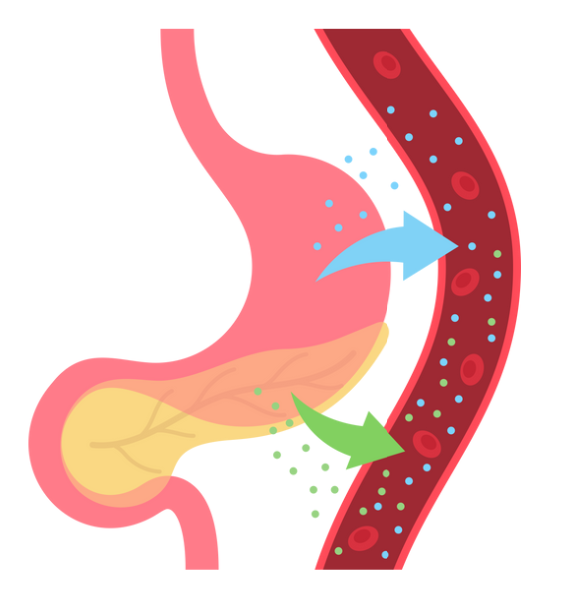
1. the liver may lack the mechanism to excrete dietary copper into bile and toxic copper may build up

1. no specific chemical deficiency is indicated and the text suggests inherited retinal defects

1. no specific chemical lack is indicated and the text suggests a congenital eyelid hair follicle defect
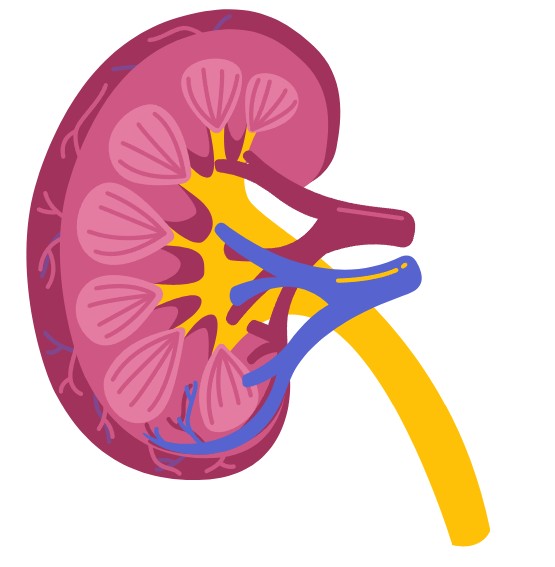
1. no specific chemical lack is indicated and the text suggests congenital skeletal misalignment

+852 6358 3131
香港中環德輔道中84-86號章記大廈9樓01室
週一到週日,早上10點到下午9點
 +852 9160 8619
 +852 9160 8619