我們的服務
寵物護理服務
獸醫服務
其他
Length range : 91-107 cm
Height range : 61-70cm
Weight range : 29-45kg
Coat : Short , thick , hard outercoat with dense or wooly undercoat|double coat
Life expectancy years : 9-12
Colors: black and tan|black|black and white|blue merle
Activitity Level : High
Origin: France
Similar Breeds : Briard|Doberman Pinscher|Rottweiler
The Beauceron originated in France , especially the plains of Central France. Developed from at least the 1500s as a hunter of wild boar and later as a herding and flock-guarding dog , it also served in transport , police work , rescue and land-mine detection. The breed was distinguished from the Briard in 1911 and the Beauceron Club was formed.
smart|spirited|protective|aloof with strangers|confident|eager to please|watchful
loyal|protective|intelligent|spirited|sensitive|calm|gentle|fearless|reserved with strangers
daily vigorous exercise|job or structured work|secure fenced space|mental stimulation|consistent routine|weight management|regular screenings
loyal with family|reserved or suspicious with strangers|may be selective with unfamiliar dogs|benefits from calm introductions and close handler contact
weekly brushing at baseline|daily de-shedding during seasonal blowouts|bathe as needed|nail trims including rear double dewclaws|do not shave the double coat|watch for ear discomfort and skin irritation
balanced large-breed diet|careful portion control|keep the dog lean|avoid overfeeding puppies|support steady growth and avoid drastic food changes
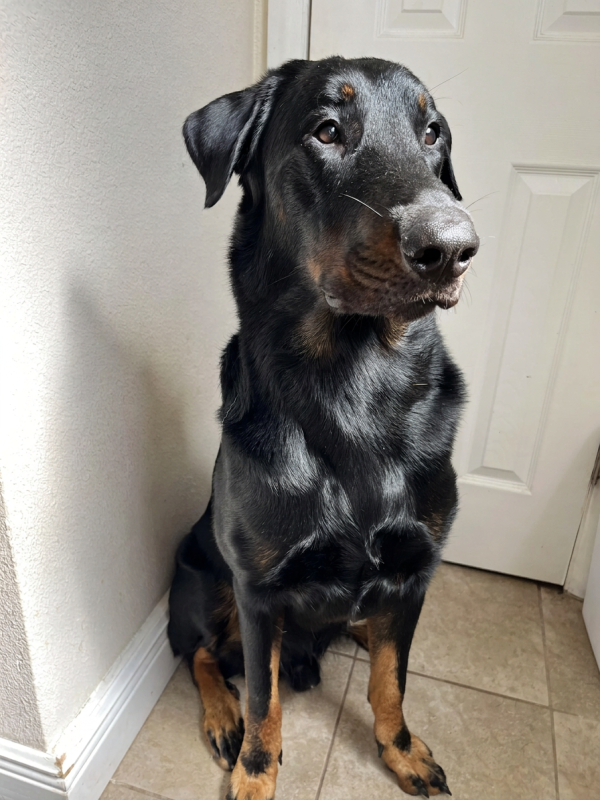
A large , powerful , deep-chested French herding dog with athletic proportions , double rear dewclaws , long tail and a short dense weather-resistant double coat. The breed should appear imposing yet agile , intelligent and capable of herding , guarding and versatile work.
The Beauceron is sometimes called bas rouge because of the red stocking-like markings on its lower legs. Despite its imposing size it is valued as both a protector and a sensitive companion.
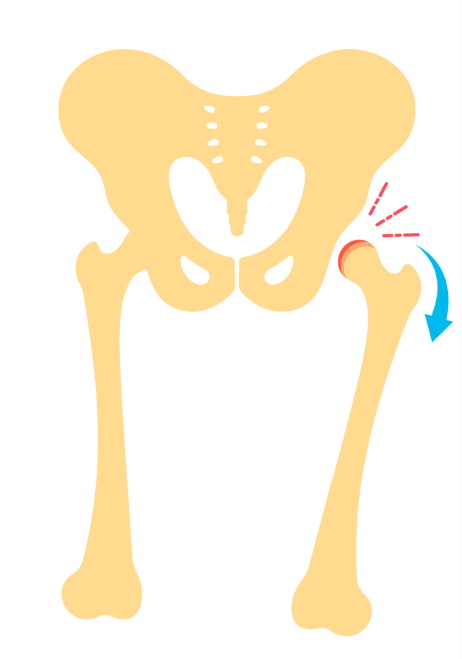
Hip and Elbow Dysplasia, Gastric Dilatation-Volvulus, Dilated Cardiomyopathy, Osteochondritis Dissecans, Eye Disorders
1. lameness or limping may occur in front or rear limbs
2. bunny-hopping gait , severe stiffness after rest , audible joint clicking and hesitation with stairs or jumping might appear
1. non-productive retching or gagging , swollen hard abdomen , heavy drooling and severe restlessness may occur
2. pale gums , whining and sudden collapse might appear
1. exercise intolerance , chronic coughing , rapid or labored breathing at rest and lethargy may occur
2. decreased appetite and fainting spells might appear
1. marked single-limb lameness , swelling or heat around the joint and pain on extension or flexion may occur
2. muscle wasting around the shoulder might appear
1. night blindness , dilated pupils , reflective eye sheen and bumping into objects may occur
2. cloudy lenses might appear with cataracts
1. symptoms may begin from 4 to 12 months during rapid growth or later as progressive stiffness in adulthood
1. moderate to high probability and estimates around 10-14% in the breed
1. can strike suddenly at any age
2. risk may increase in adult and senior deep-chested dogs usually from 3+ years
1. moderate to high probability because deep-chested anatomy creates elevated risk
1. often develops silently and may manifest between 3 to 7 years of age
1. moderate probability and notes breed club cardiac screening emphasis
1. typically may occur during skeletal development between 4 to 9 months of age
1. low to moderate probability in rapidly growing large athletic lines
1. PRA may appear between 3 to 6 years
2. hereditary cataracts may appear early or later in life
1. low probability today due to ophthalmology screening but risk may remain in unscreened bloodlines
1. no specific chemical deficiency is indicated and the text suggests inherited joint malformation with environmental acceleration

1. taurine may be lacking in some diet-associated cases and nutritional imbalance might contribute

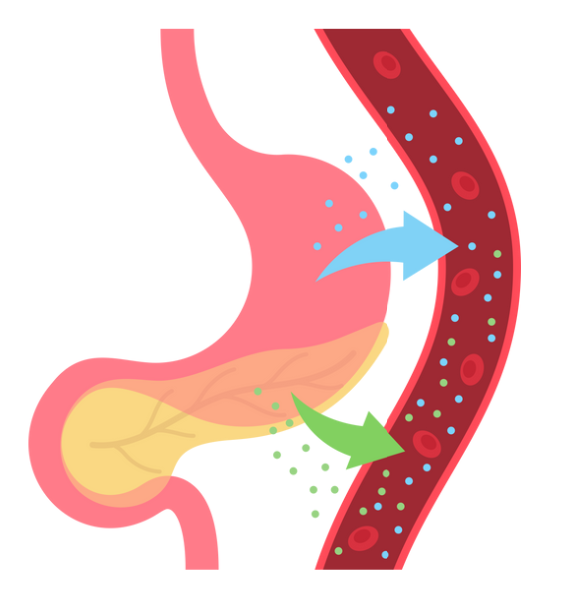
1. no specific chemical lack is indicated though the content suggests digestive imbalance and gas accumulation may contribute
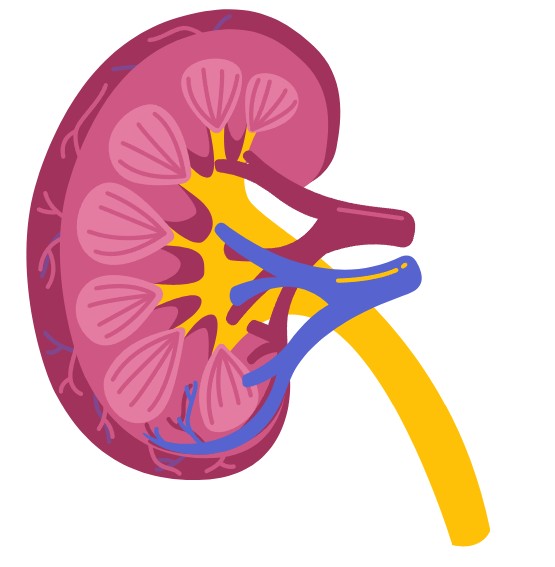
1. no direct chemical deficiency is stated but imbalance in calcium and phosphorus and developing cartilage nutrition may contribute

+852 6358 3131
香港中環德輔道中84-86號章記大廈9樓01室
週一到週日,早上10點到下午9點
 +852 9160 8619
 +852 9160 8619