我們的服務
寵物護理服務
獸醫服務
其他
Length range : 58-71 cm
Height range : 33-41cm
Weight range : 11-18kg
Coat : short|rough|wiry|coarse|fairly short
Life expectancy years : 11-14
Colors: fawn.
Activitity Level : High
Origin: France|Brittany
Similar Breeds : Basset Hound|Beagle|Dachshund|Grand Basset Griffon Vendéen|Petit Basset Griffon Vendéen
The breed descends from the Grand Fauve de Bretagne in France and developed into a smaller short-legged hunting hound as hunting needs changed after the French Revolution. It gained a reputation for hunting rabbits , fox , deer , and boar and today remains popular both as a hunting dog and companion.
smart|courageous|determined|cheerful|intelligent|affectionate|sociable|amenable|good-natured
smart|courageous|determined|cheerful|intelligent|eager to please|sociable|affectionate|amenable
regular moderate exercise|weekly grooming|dental care|weight monitoring|early socialization|impulse control training|leash use|mental stimulation
sociable with people|affectionate companion|friendly with strangers and other animals when socialized early|enjoys company of family
easy-care coat|weekly grooming with comb and brush|coat resists matting and repels dirt|regular dental care|nail trimming|occasional bathing
high-quality food suited to age and condition|monitor food and treats to prevent weight gain|veterinarian-guided feeding amounts are recommended
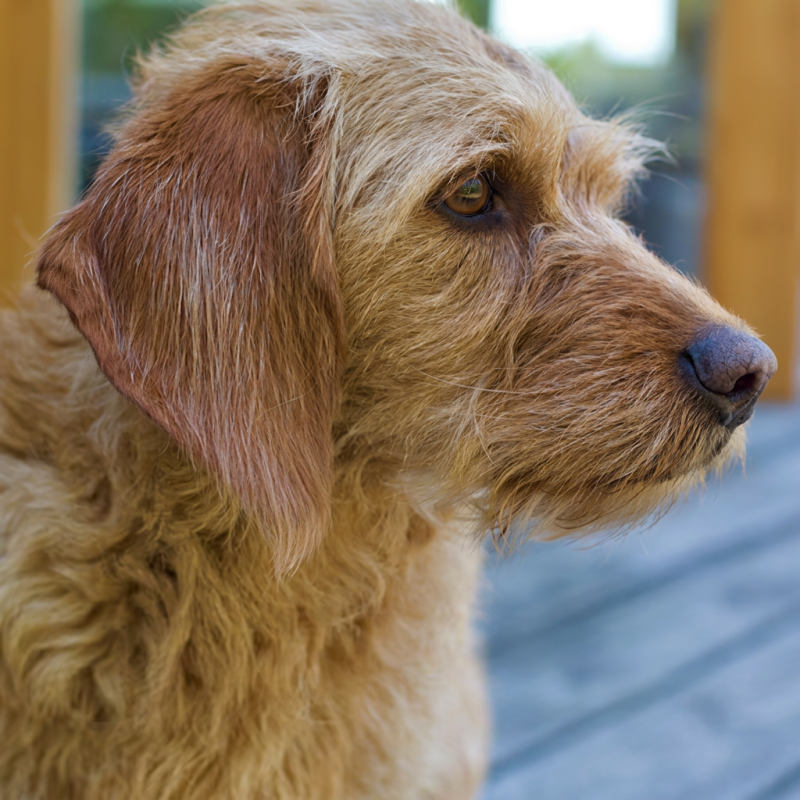
small to medium hound with short legs , stocky rectangular body , rough wiry fawn coat , large drop ears , short back , and tail set high when alert
The Basset Fauve de Bretagne may be small but it was developed as a determined hunter able to adapt to varied terrain. Despite its hunting background it is also known as a cheerful and affectionate companion.
Primary Open Angle Glaucoma, Allergies and Atopic Dermatitis, Ear Infections, Intervertebral Disk Disease, Periodontal Disease
1. gradual blindness may occur
2. increased eye pressure may damage the optic nerve and retina
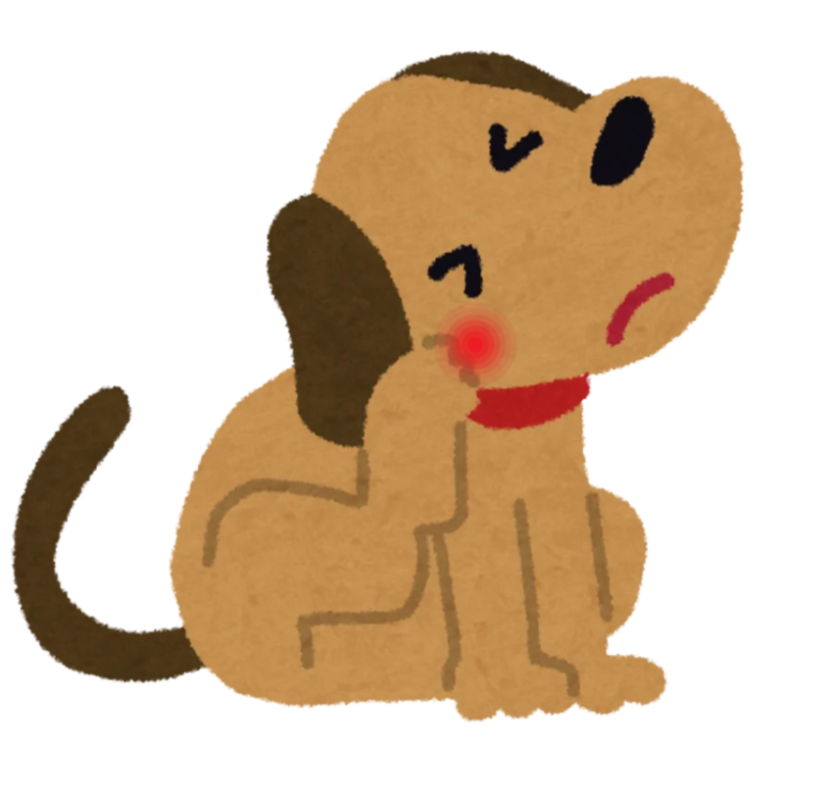
1. scratching , chewing , licking or rubbing may occur
2. hair loss , skin reddening , thickening and ear problems may develop
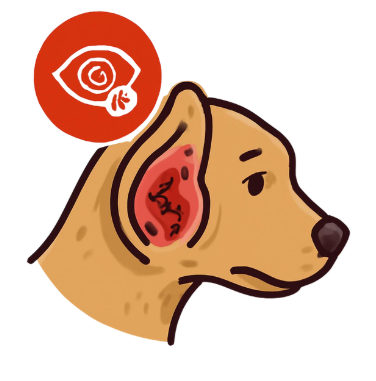
1. head shaking and ear scratching may occur
2. erythema , thickened canals , brown waxy or purulent discharge and pain may appear
1. pain may occur
2. weak or wobbly legs , knuckling , reluctance to jump or walk and paralysis may develop
1. halitosis may occur
2. excessive salivation , blood in saliva , pain on mastication , loose teeth and difficulty eating may develop
1. onset timing is not specified in the provided breed sources
1. thankfully rare
2. among 39 tested Fauves in the survey data , 32 were clear , 5 carriers and 2 affected
1. signs most often may begin between 1 and 3 years of age
2. allergic skin disease can also first surface between 6 months and 3 years
1. a few Fauves had skin problems due to allergies
1. onset may be acute or chronic and can recur over time
1. ears contributed to otitis and yeast infections in several dogs
1. chondrodystrophic disk degeneration may begin between 2 months and 2 years of age
2. clinical disease is more common after 2 years of age
1. the breed is not specifically stated as high prevalence in the provided Fauve club text , but as a short-legged chondrodystrophic type it may carry IVDD risk by inference from the scientific source and dog conformation data
1. the great majority of dogs over 3 years of age may have disease warranting intervention
1. this may be common in dogs generally and long-term dental vigilance may be important
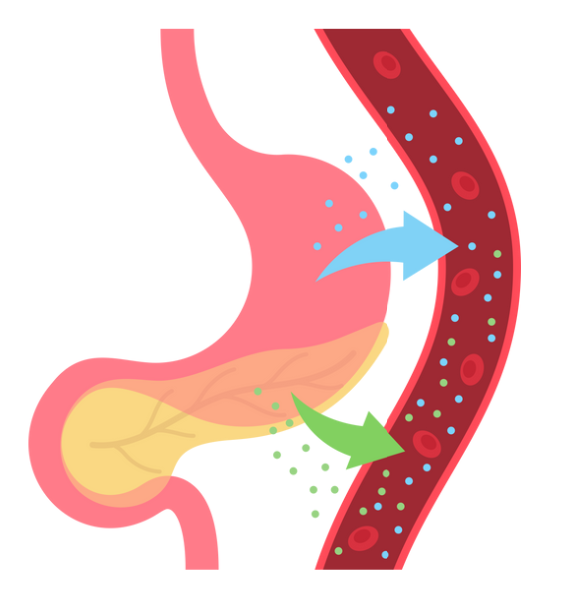
1. this is a genetic eye pressure disorder and not described as a chemical deficiency

1. this is mainly linked to anatomy , moisture , allergy , infection and ventilation issues rather than a direct chemical lack

1. the content suggests the skin barrier may have impaired function and ceramides and essential fatty acids such as linoleic acid may be imbalanced
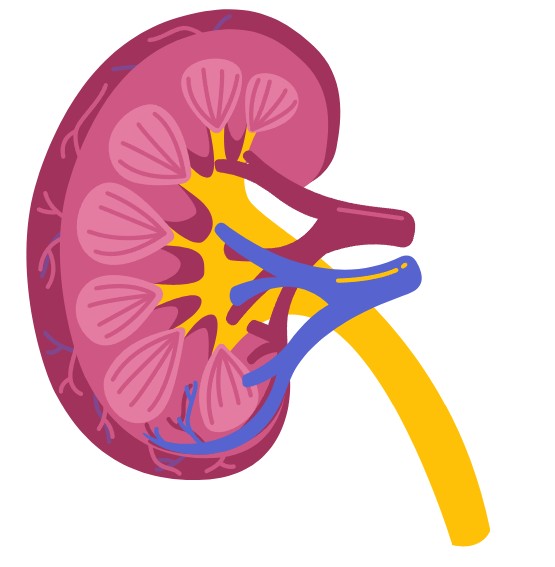
1. this is linked to chondrodystrophic genetics and disk degeneration rather than a daily chemical deficiency

+852 6358 3131
香港中環德輔道中84-86號章記大廈9樓01室
週一到週日,早上10點到下午9點
 +852 9160 8619
 +852 9160 8619