我們的服務
寵物護理服務
獸醫服務
其他
Length range : 58-64 cm
Height range : 41-43cm
Weight range : 9.1-11.8kg
Coat : short|smooth|fine|flat|glistening|close-lying
Life expectancy years : 12-15
Colors: chestnut red|black|black and tan|brindle|red and white|black and white|cream and white|tricolor|white markings.
Activitity Level : High
Origin: Congo|Central Africa|Democratic Republic of Congo|Republic of Congo
Similar Breeds : Pharaoh Hound|Beagle|Harrier|New Guinea Singing Dog|Pariah dog
The Basenji is one of the oldest domesticated dog types and has roots in Central Africa and the Congo region. It appears in ancient Egyptian and North African art and was used by hunters to track and flush small game in silent packs. The breed later entered England and the United States and remained relatively primitive in development.
intelligent|independent|loving|alert|reserved|affectionate|strong-willed|curious|energetic
intelligent|independent|affectionate with family|alert|reserved with strangers|clean|curious|energetic|catlike
daily exercise|mental stimulation|secure fencing|positive training|regular ear , nail and dental care|companionship|weight control
affectionate with family|reserved with strangers|usually good with other dogs if socialized young|can be argumentative with other Basenjis|does poorly with long isolation
very low maintenance coat|self-grooms like a cat|quick brushing once or twice weekly|bath only when very dirty|weekly ear checks|trim nails as needed|brush teeth often
high-quality AAFCO-approved food|portion control is important|consistent feeding routine|may benefit from puzzle feeders|dietary consistency is important for sensitive digestion|fresh clean water at all times
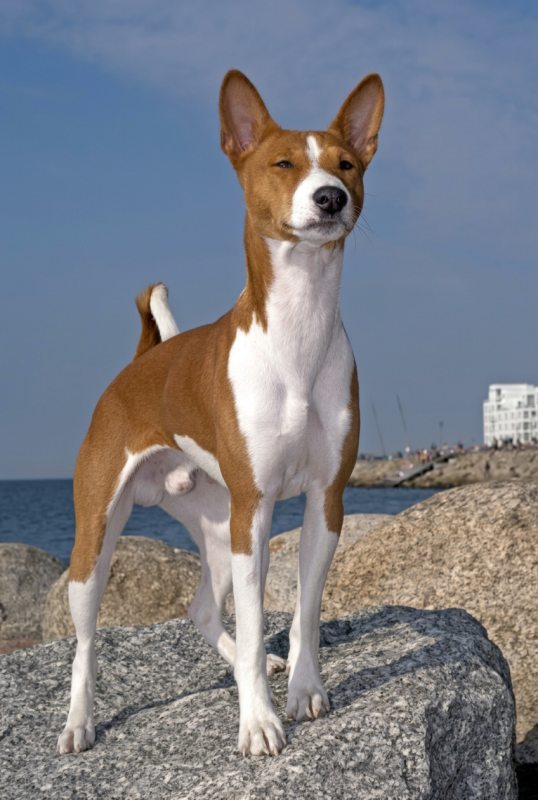
small athletic hound with erect ears , wrinkled forehead , tightly curled tail , short smooth coat , compact graceful body and long straight legs
Basenjis are famous for their yodel rather than a bark and are often called barkless dogs. They groom themselves like cats and are considered one of the oldest living dog breeds with roots in Africa.
Fanconi Syndrome, Progressive Retinal Atrophy, Basenji Enteropathy, Hip Dysplasia, Hypothyroidism
1. excessive drinking may occur
2. excessive urination may occur
3. glucose in urine , weight loss , lethargy , muscle wasting or poor condition may develop
1. night blindness may occur
2. bumping into objects in dim light may appear
3. gradual daytime vision loss and eventual blindness may develop
1. chronic diarrhea may occur
2. vomiting , gas , weight loss and appetite changes may appear
3. depression may develop
1. lameness or limping may occur
2. reluctance to rise or jump may appear
3. hip pain , stiffness and rear limb muscle loss may develop
1. unexplained weight gain may occur
2. low energy may appear
3. dull or poor coat and skin infections may develop
1. inherited onset typically may be between 4 and 8 years with reports from 3 to 10 years
1. approximately 7% of Basenjis at the time of DNA test discovery and incidence appears to be dropping rapidly
1. onset by specialist eye exam may vary typically between 4 and 10 years with reports from 3 to 13 years
2. late-onset PRA in dogs may occur in adulthood
1. approximately 25% of Basenjis age 8 and older showed retinal changes though not all were confirmed hereditary PRA
1. onset timing may vary and episodes may wax and wane
1. uncommon but important inherited predisposition in Basenjis
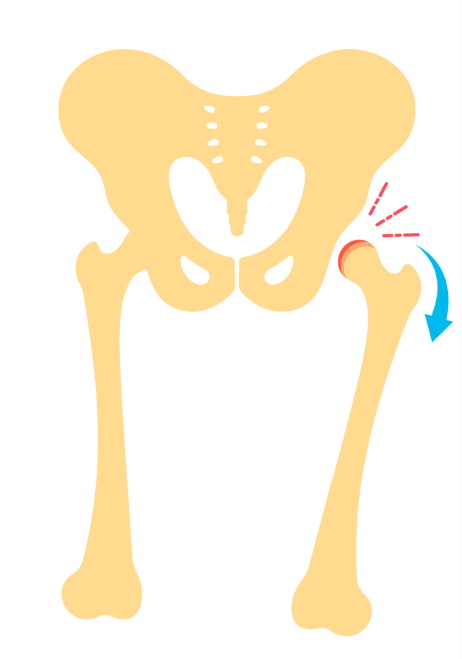
1. the condition begins as dogs grow and signs may appear in younger dogs or later with arthritis
1. approximately 3 to 3.5% of OFA-submitted Basenji hip x-rays were dysplastic
1. dogs typically may not show signs until a substantial amount of thyroid tissue is affected
1. OFA reports included autoimmune thyroiditis and idiopathic hypothyroidism findings in tested Basenjis
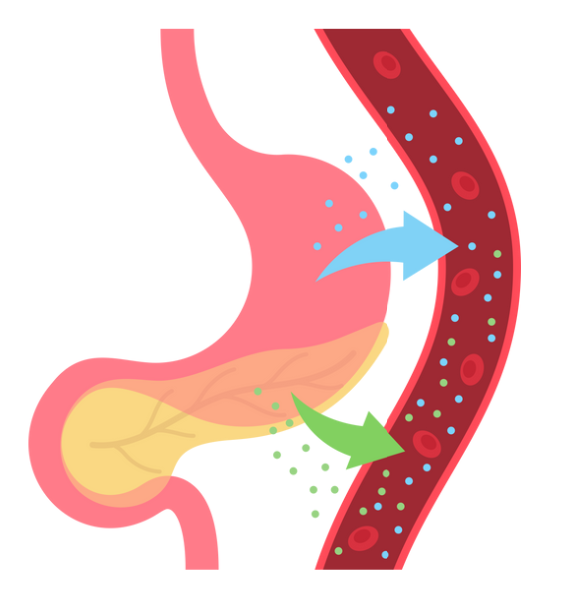
1. the proximal renal tubules may fail to reabsorb electrolytes and nutrients and these may be lost in urine

1. the content indicates nutrients may not be properly utilized or absorbed from food

1. this is an inherited retinal degeneration and not a simple chemical deficiency
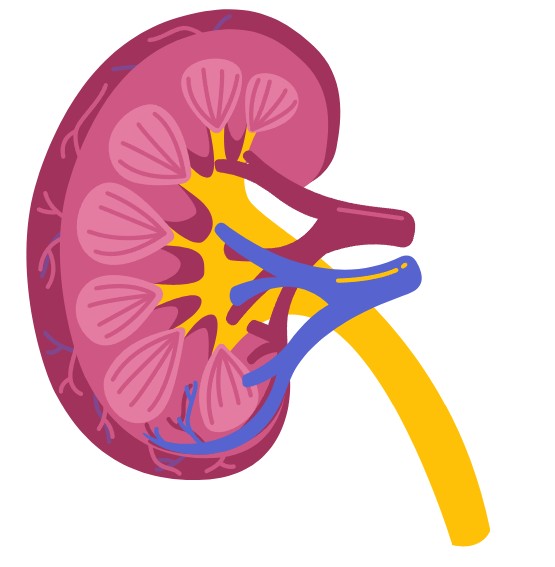
1. this is a hereditary developmental joint disorder and not described as a deficiency though cartilage wear and inflammation may occur

+852 6358 3131
香港中環德輔道中84-86號章記大廈9樓01室
週一到週日,早上10點到下午9點
 +852 9160 8619
 +852 9160 8619