我們的服務
寵物護理服務
獸醫服務
其他
Length range : 46-51 cm
Height range : 25-28cm
Weight range : 5-9kg
Coat : double coat|harsh straight or shaggy outer coat|soft undercoat|rough weather-resistant coat|neck ruff
Life expectancy years : 11-14
Colors: blue and tan|solid sandy|solid red.
Activitity Level : high
Origin: Australia
Similar Breeds : Cairn Terrier|Yorkshire Terrier|Skye Terrier|Norwich Terrier|Silky Terrier
The breed developed in Australia in the 1800s from rough-coated British terriers. Sources mention Tasmania and interbreeding with British lines including Scottish , Cairn , Skye , Yorkshire , Dandie Dinmont , Norwich and related terriers. It became the first native breed recognized in Australia and was recognized by the AKC in 1960.
spirited|intelligent|self-assured|alert|loyal|even-tempered|feisty|curious
plucky|spirited|smart|self-assured|loyal|even-tempered|lively|friendly with family
daily exercise|mental stimulation|close companionship|secure fencing or leash use|routine coat care|dental hygiene
strong human bond|good family dog|can be territorial with other dogs especially same sex|may chase cats and small animals|does not do well left alone long term
weekly brushing|occasional bathing|avoid overbathing|trim or pluck hair around eyes and ears|nail trims|ear checks and cleaning|daily or very regular tooth brushing
feed a high-quality complete diet appropriate for age and lifestyle|adult dogs commonly eat two measured meals daily|puppies may need three meals daily|monitor calories and treats because the breed can become overweight|consistent diet is helpful
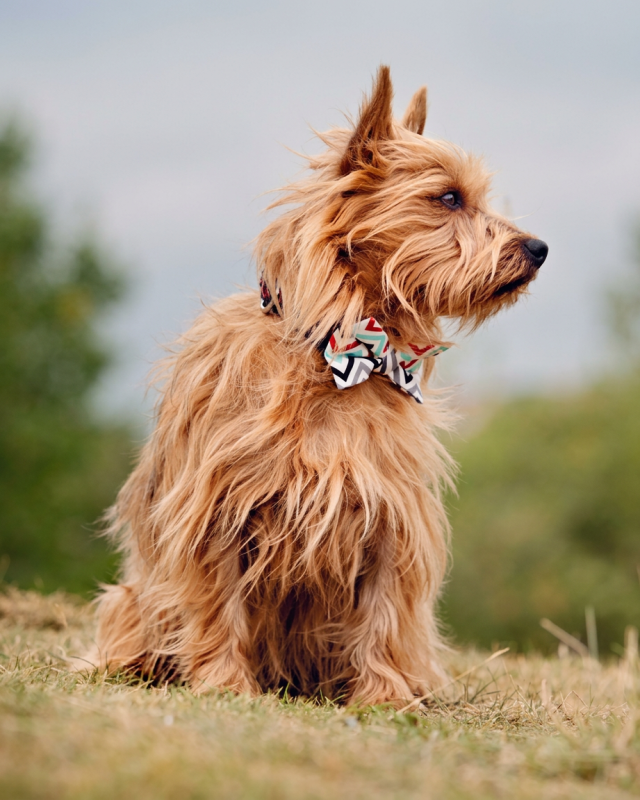
small , low-set , longer-than-high terrier with harsh untrimmed coat and neck ruff|pointed ears|working terrier outline
The Australian Terrier is often called Australia’s Dog or The Original Aussie and was the first native Australian breed to gain official recognition in Australia. It was bred as a fearless little hunter of vermin and snakes.
Patellar Luxation, Dental Disease, Diabetes Mellitus, Allergies, Cataracts
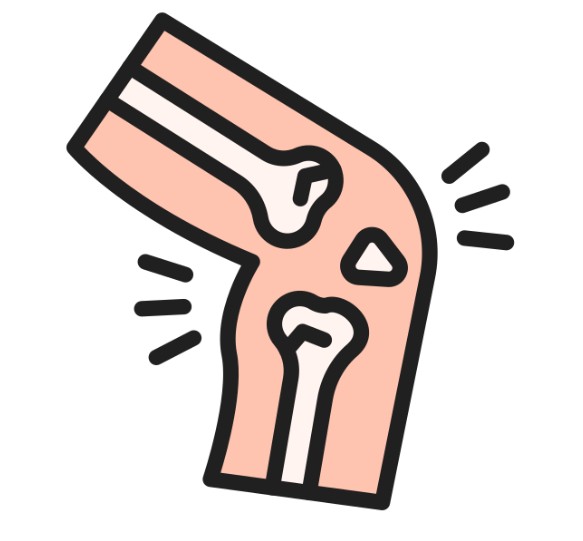
1. skipping or hopping for a few strides may occur
2. a back leg may be carried briefly
3. bowlegged stance may occur
4. cracking sound from the knee may be noticed
1. tartar buildup may occur
2. bad breath may develop
3. red gums or gum infection may appear
4. pain on chewing , loose teeth , difficulty eating may occur
1. increased eating may occur
2. increased drinking and urination may develop
3. weight loss may occur
4. cataracts may develop in chronic disease
1. face rubbing and paw licking may occur
2. itchy feet , belly , skin folds and ears may develop
3. recurrent ear infections may occur
1. cloudy or opaque lenses may occur
2. visual impairment may develop
3. blindness may occur in advanced cases
1. this may be detected in puppies or young dogs and can worsen over time
1. breed pages indicate Australian Terriers are prone to this condition and small dogs are commonly affected
1. chronic dental disease may begin early and many dogs are affected by age 2
1. Australian Terriers are more likely than other dogs to have tooth problems
1. diabetes is most common in mature dogs
1. above-average breed risk and terriers may be predisposed to insulin-dependent disease
1. signs may begin between 1 and 3 years and the general atopy text indicates 6 months to 3 years may be typical
1. this breed commonly develops itchy skin and ear-related allergies
1. cataracts may occur in older dogs or develop over time depending on cause
1. cataracts are a recognized eye concern in the breed
1. no specific chemical lack is identified because this is mainly congenital or developmental skeletal misalignment

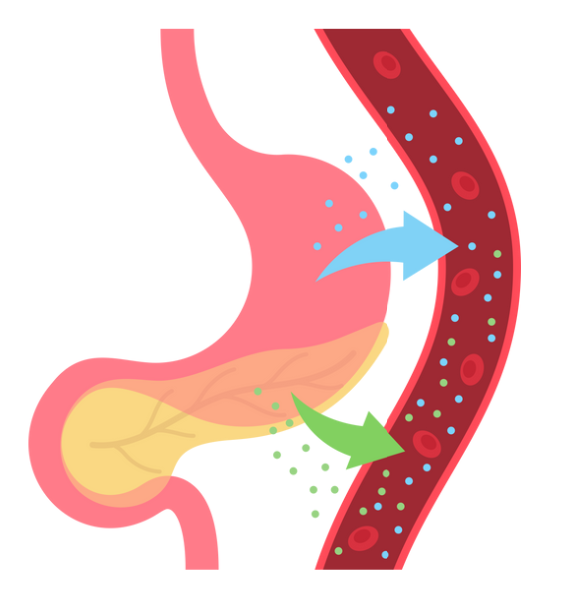
1. the text indicates the core lack may be an absolute or relative deficiency of insulin

1. the content indicates the primary problem is plaque biofilm accumulation rather than a simple deficiency
1. the content suggests hypersensitivity involves allergen-specific IgE , histamine , cytokines and impaired skin barrier rather than a simple deficiency

+852 6358 3131
香港中環德輔道中84-86號章記大廈9樓01室
週一到週日,早上10點到下午9點
 +852 9160 8619
 +852 9160 8619